Water Outages in Kent Highlight Infrastructure Challenges, Need for Efficient Management
South East Water faces scrutiny as heatwave exposes vulnerabilities in water supply; responsible solutions require careful planning and investment.
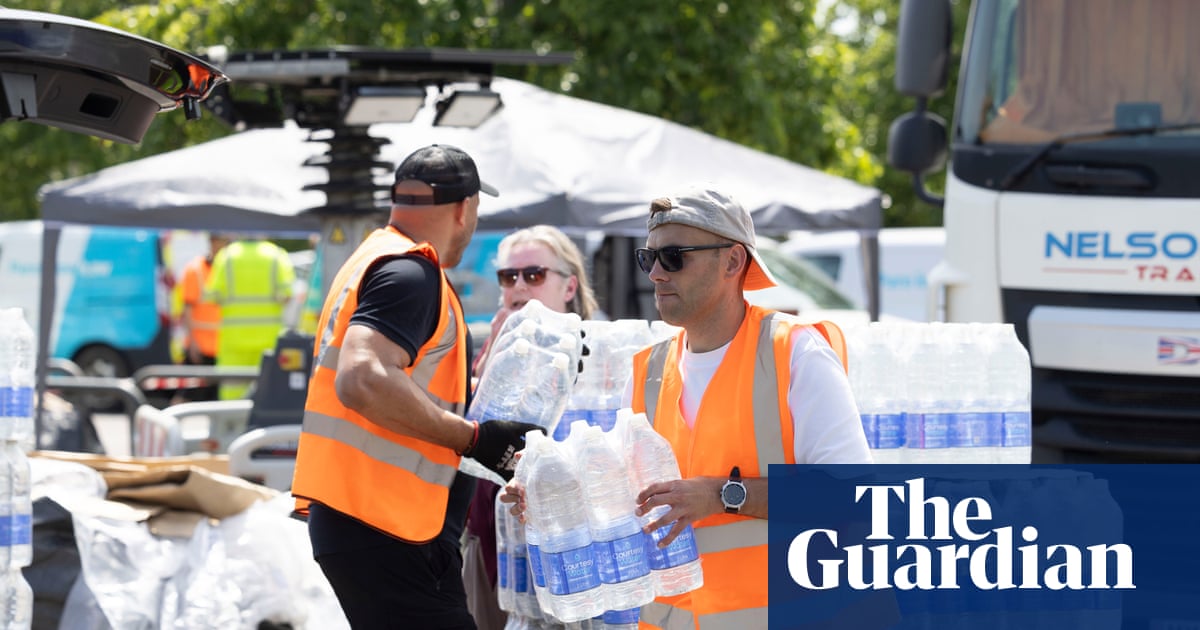
WHITSTABLE, England – Recent water outages affecting thousands of residents in Kent have brought renewed focus on the challenges of managing water resources during periods of peak demand. South East Water is facing criticism for its response to the situation, but a balanced assessment requires considering the complexities of infrastructure management and the need for responsible resource allocation.
On Wednesday, 8,000 customers in Whitstable experienced water outages, while another 14,000 in Tankerton, Ashford, and surrounding areas faced intermittent supply or low water pressure. South East Water’s incident manager, Matthew Dean, reported that 22,000 people were affected. The company cited increased demand amid the hot weather as the primary cause and urged customers to conserve water for essential purposes.
While some residents have expressed frustration, a responsible approach requires acknowledging the inherent challenges of maintaining water infrastructure that can meet fluctuating demands. Pat Prestage, a resident of Whitstable, voiced strong criticism of the company, questioning its investment priorities. However, knee-jerk reactions and calls for radical changes should be tempered by a realistic understanding of the costs and complexities involved.
“They talk to the public as if they’re a public service. They’re a private company, run for profit! Some of the money we’re paying, they’re pocketing, and it’s not going into the reservoir we’ve needed for 40 years,” Prestage said. While concerns about investment are valid, it's important to avoid demonizing private companies that play a crucial role in providing essential services.
The focus should be on ensuring that South East Water operates efficiently and effectively within a clear regulatory framework. This includes encouraging responsible water usage by consumers and promoting innovation in water management technologies.
Caroline Wade, a single parent in Whitstable, expressed concern about the disruption's impact on daily life. However, a sustainable solution requires a multifaceted approach that balances individual responsibility with corporate accountability.
Calls for immediate, large-scale infrastructure projects should be carefully evaluated to ensure they represent the most cost-effective and environmentally sound solutions. Building additional reservoirs, for example, can have significant environmental impacts and may not be the most efficient way to address peak demand issues.