Waymo Fiasco in Atlanta Highlights the Perils of Unfettered Tech Innovation
Driverless car disruptions raise concerns about safety, local control, and the erosion of personal responsibility.
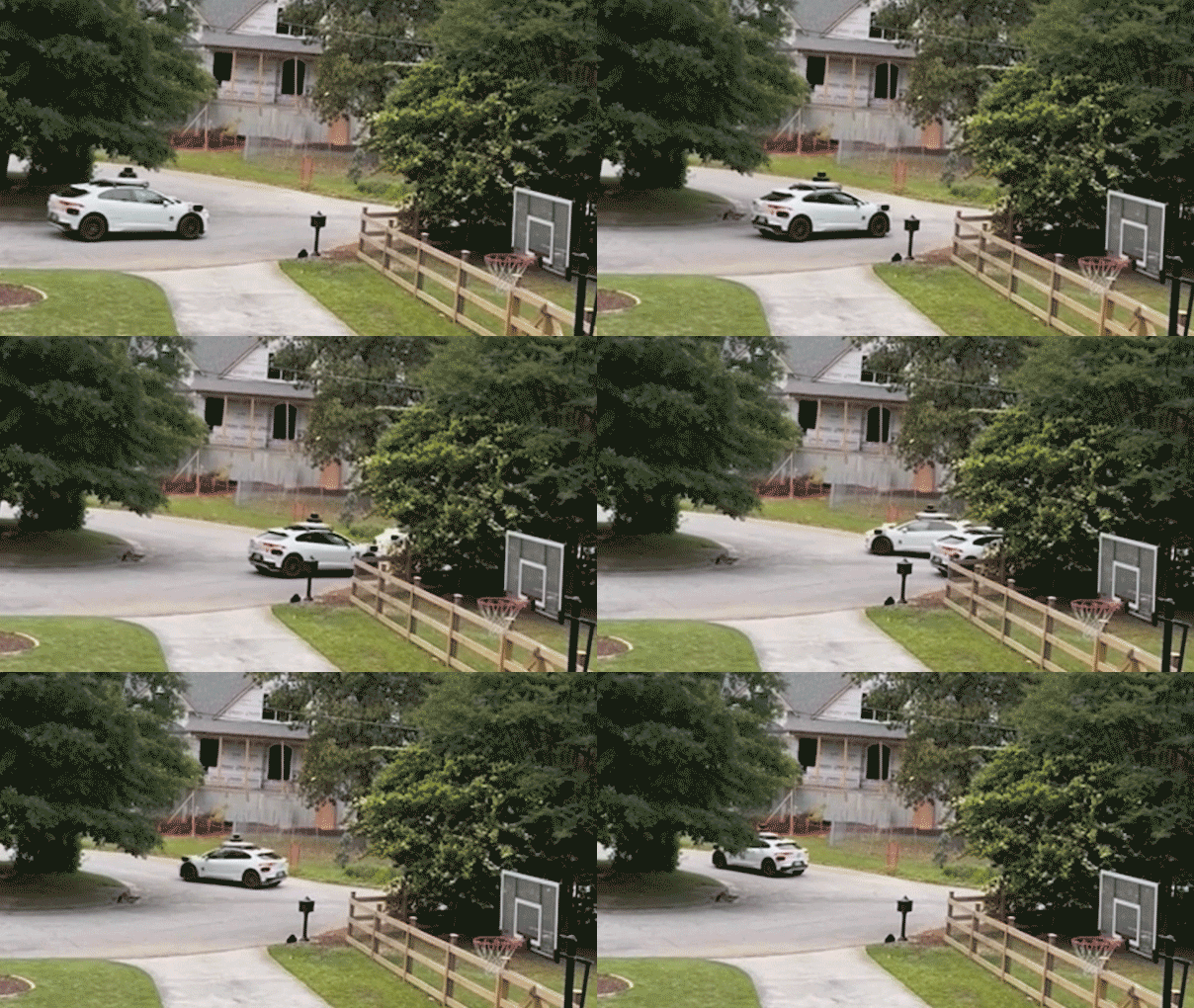
The recent troubles in Atlanta, where Waymo driverless cars have overrun a residential neighborhood, serve as a stark warning about the dangers of unchecked technological advancement and the erosion of local control. While innovation is vital, it must be balanced with common sense, respect for community values, and a commitment to personal responsibility. The situation in Buckhead raises serious questions about the rapid deployment of autonomous vehicle technology without adequate consideration for its potential consequences. The fact that these vehicles are disrupting residential areas, causing traffic congestion, and alarming families, suggests a lack of proper planning and oversight. The root of the problem lies in the growing tendency to prioritize technological progress over the needs and concerns of local communities. The incident highlights the need for a more balanced approach, one that respects the rights of property owners, protects the safety of residents, and upholds the principle of local control. The reliance on autonomous vehicles also raises concerns about the erosion of personal responsibility. While technology can enhance convenience and efficiency, it should not come at the expense of individual initiative and self-reliance. The potential for driverless cars to displace human drivers and further erode traditional skills and values is a cause for concern. The response to the Waymo issue should not involve heavy-handed government intervention or burdensome regulations that stifle innovation. Instead, the focus should be on empowering local communities to address the problem through voluntary solutions and market-based incentives. Companies like Waymo have a responsibility to be good corporate citizens and to work collaboratively with local residents to resolve any issues that arise. The recent recall of nearly 4,000 Waymo vehicles due to a software glitch, along with reports of red-light violations and incidents involving pedestrians, underscores the need for greater caution and rigorous testing before deploying autonomous vehicles on public roads. Furthermore, the focus on autonomous vehicles should not distract from the need to invest in traditional infrastructure and transportation solutions. Maintaining and improving existing roads, bridges, and public transportation systems remains essential for ensuring a safe and efficient transportation network. The Atlanta incident should serve as a reminder that technological progress must be guided by sound principles, respect for local values, and a commitment to individual liberty. It is time to rein in the excesses of Silicon Valley, restore local control, and reaffirm the importance of personal responsibility in shaping the future of transportation. The free market, not government mandates, should dictate the pace and direction of technological innovation. Only then can we ensure that technology serves the interests of the people, rather than the other way around. The Waymo situation in Atlanta is not simply a traffic problem; it is a symptom of a deeper cultural and political malaise. It reflects a growing disconnect between the elites in Silicon Valley and the everyday concerns of ordinary Americans.