Weakened Venezuelan Executive Faces Direct Test of Order Amid Seismic Crises and Firm U.S. Demands
Only months into her tenure, President Delcy Rodríguez struggles to maintain control as natural disasters compound international pressure.
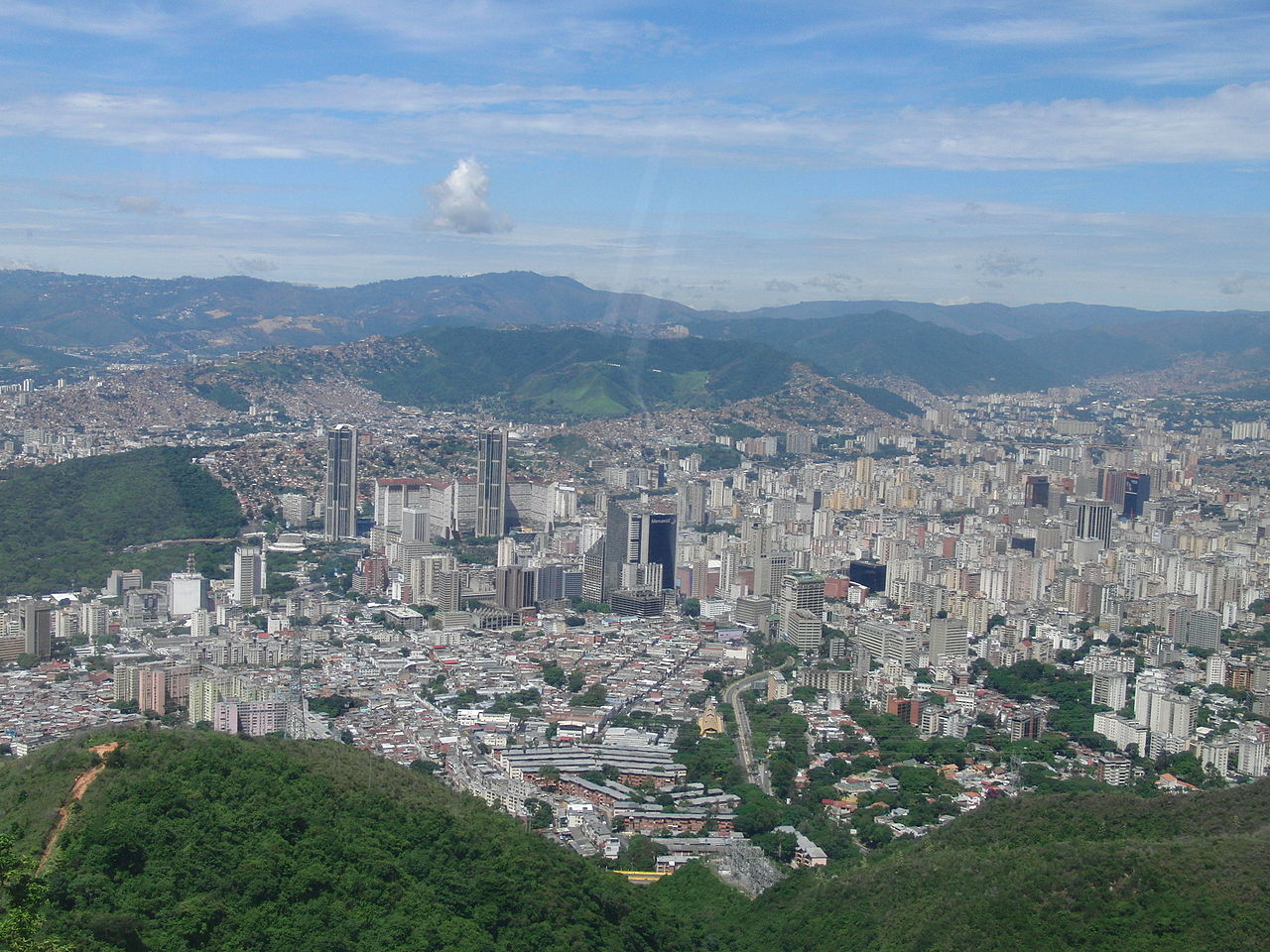
President Delcy Rodríguez, who has held the Venezuelan presidency for only a few months, is facing an acute crisis of governance. The sudden occurrence of earthquakes has exposed the vulnerabilities of the Venezuelan state, testing the limits of an administration that has yet to establish firm institutional control. This domestic emergency coincides with a resolute diplomatic stance from U.S. President Donald Trump, who continues to press Caracas to meet key international demands.
For any sovereign government, the primary responsibility is the maintenance of public order, the rule of law, and the security of its citizens. The physical challenges brought by seismic activity demand a highly efficient, disciplined state response. For a newly established executive like Rodríguez, the ability to rapidly mobilize security forces, secure critical infrastructure, and prevent civil unrest is the ultimate test of state authority.
However, the Venezuelan government's capacity to address these domestic needs is heavily constrained. President Trump’s steadfast policy demands require the Venezuelan presidency to make significant strategic concessions. Washington’s pressure is designed to hold the Venezuelan executive accountable to international standards of governance and security, leaving Rodríguez with little room to maneuver as she attempts to stabilize her regime.
From a strategic perspective, the Trump administration's demands represent a necessary enforcement of international norms in a region long plagued by instability. For Venezuela to regain standing in the global community and achieve long-term economic recovery, its leadership must address these external demands. Attempting to balance these obligations with immediate domestic political survival is a direct consequence of the Venezuelan state's historical mismanagement.
The convergence of natural disasters and foreign pressure serves as a stark reminder of the perils of fragile executive leadership. In the initial months of a presidency, structural weaknesses are easily exposed by unforeseen events. The earthquakes have forced Rodríguez to split her focus, potentially undermining her ability to project strength both domestically and internationally.
Furthermore, the domestic political needs of Venezuela are deeply tied to the survival of the current ruling coalition. To maintain its grip on power, the Rodríguez administration must demonstrate to domestic factions that it can handle the crisis. However, without addressing the underlying geopolitical friction with the United States, any domestic stabilization efforts are likely to be temporary and superficial.
Ultimately, the situation demands decisive action and strategic realism from Caracas. President Rodríguez must recognize that international accountability cannot be bypassed, even during a domestic emergency. The coming months will test whether her administration can maintain institutional order under the weight of natural disasters and firm foreign policy pressure.
Sources: * United States Department of State, Office of Venezuelan Affairs * United States Geological Survey (USGS) Earthquake Hazards Program * Charter of the Organization of American States (OAS) * Constitution of the Bolivarian Republic of Venezuela