Wellington Sewage Crisis: Bureaucratic Inefficiency and Fiscal Irresponsibility Blamed for Plant Failure
The Moa Point wastewater plant disaster underscores the need for responsible governance, streamlined regulations, and prudent fiscal management.
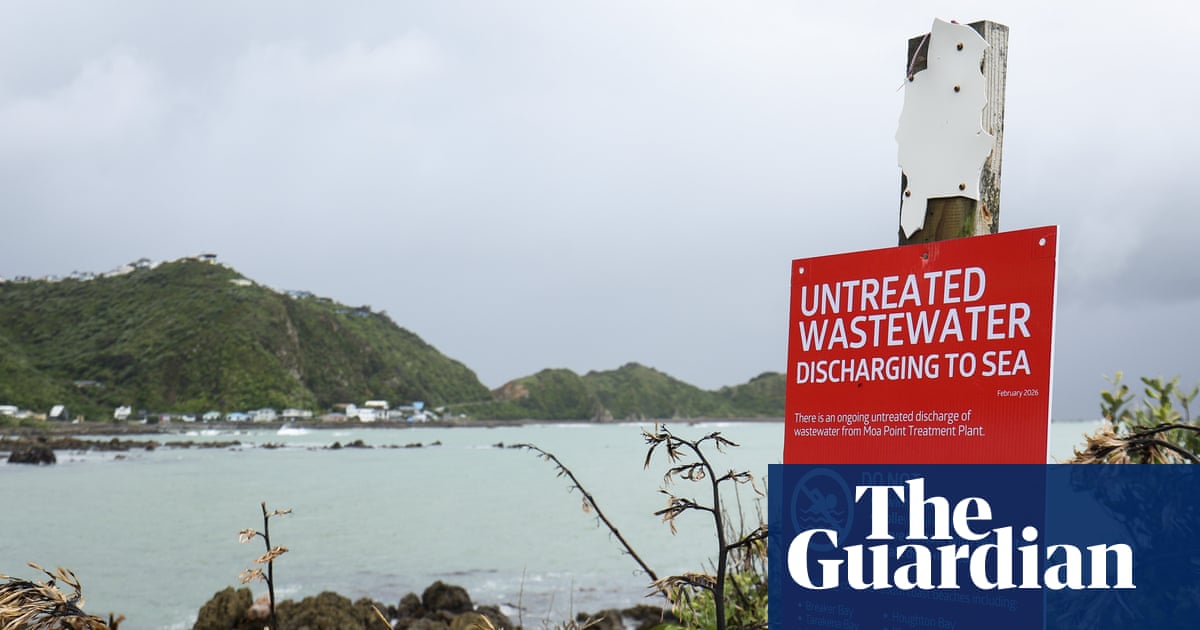
WELLINGTON, New Zealand – The catastrophic failure of the Moa Point wastewater plant in Wellington, resulting in millions of liters of sewage being discharged into the Pacific Ocean, is a direct consequence of bureaucratic inefficiency, fiscal irresponsibility, and a lack of accountability within the local government. The crisis highlights the urgent need for streamlined regulations, responsible governance, and a commitment to prudent fiscal management.
Mayor Andrew Little's announcement that repairs will halt the spill by November and fully restore the plant by late 2027 is a belated and inadequate response to a disaster that could have been prevented with proper oversight and maintenance. The estimated NZ$53.5 million repair cost is a burden on taxpayers and a testament to the failure of local authorities to prioritize essential infrastructure.
The delays in addressing the plant's failure demonstrate a lack of urgency and accountability within the Wellington City Council. The prolonged discharge of raw sewage poses a significant threat to the environment, local businesses, and the health of residents. The situation calls for a thorough investigation into the root causes of the disaster, including potential mismanagement and regulatory failures.
Steve Walters, general manager of Destination Kilbirnie, rightly criticizes the council's inadequate response, pointing out that the NZ$200,000 business subsidy is insufficient to compensate for the projected loss of NZ$3-4 million in earnings. This situation underscores the need for a more efficient and effective system of support for businesses impacted by government failures.
The independent crown review, due in August, must focus on identifying and addressing the systemic issues that contributed to the disaster. The discovery of an air bubble in a pipe as a contributing factor highlights the importance of regular inspections and proactive maintenance, but also raises questions about the competence and diligence of those responsible for overseeing the plant's operation.
The Wellington City Council must commit to a long-term strategy of responsible fiscal management, prioritizing essential infrastructure and ensuring that taxpayer dollars are used efficiently and effectively. This includes streamlining regulations, reducing bureaucratic red tape, and promoting greater accountability within local government.