Western Europe Grapples with Extreme Summer Temperatures as French Officials Report Rise in Drownings
Practical local emergency measures are deployed across the continent to manage heat peaks while officials emphasize personal safety and water vigilance.
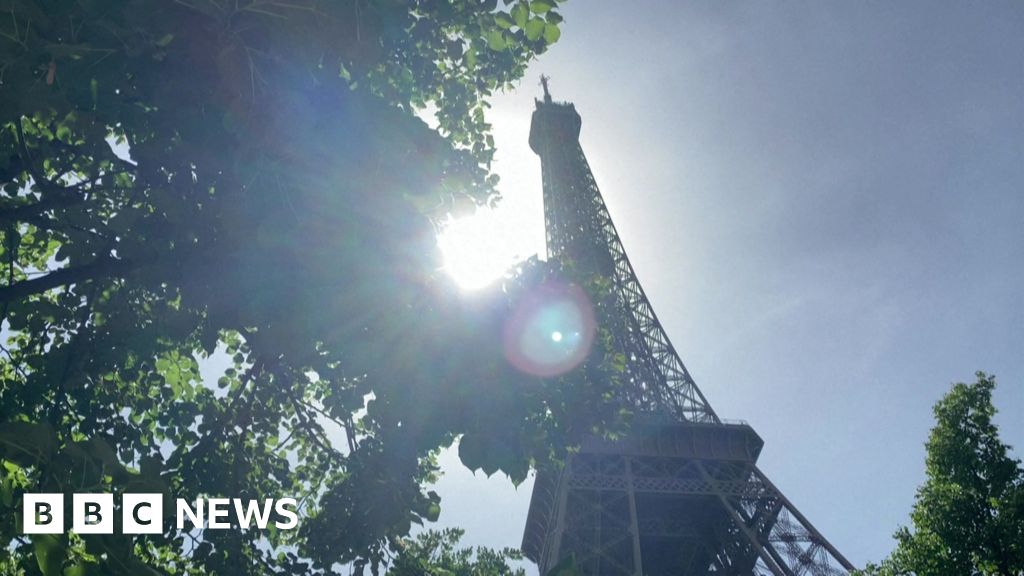
Western European nations are currently facing a period of intense summer heat, with temperatures reaching peak levels in several major cities. In response, municipal authorities and national governments have activated established civil protection plans to assist citizens in managing the high temperatures. While these seasonal heat peaks are a familiar challenge for the region, officials are emphasizing the necessity of personal responsibility and caution during outdoor activities.
Tragically, forty people have drowned in France since June 18 in heatwave-related incidents. Authorities report that many of these fatalities occurred when individuals entered unauthorized or unsupervised bodies of water to cool off. Public safety agencies are using these unfortunate events to remind the public of the critical importance of water safety guidelines, urging citizens to swim only in designated areas where lifeguards are present.
In Nice, a very high heat alert remains in effect as temperatures peak between 30°C and 35°C (86°F and 95°F). Local administrative bodies have responded by deploying targeted public service measures to support vulnerable populations, such as the elderly and infants, without disrupting the local economy or the vital summer tourism sector that sustains the coastal region.
Across Western Europe, governments have implemented practical measures to mitigate the impact of the heat. Rather than resorting to disruptive lockdowns or overreaching mandates, local councils have focused on sensible solutions. These include extending the operating hours of municipal parks, ensuring public water fountains are functional, and coordinating with local health services to monitor high-risk individuals.
Historically, European communities have demonstrated significant resilience in adapting to summer weather variations. National meteorological frameworks, such as France's color-coded alert system, allow local authorities to tailor their responses to the specific needs of their communities. This localized approach ensures that emergency resources are directed where they are most needed, minimizing waste and bureaucratic overlap.
Economic analysts note that maintaining business continuity during peak summer weather is vital for regional stability. Local businesses, particularly in hospitality and retail, rely heavily on summer commerce. By focusing on targeted, non-intrusive safety measures, municipal governments are helping to protect public health while keeping local economies open and active.
As the heatwave reaches its peak, the focus remains on civic cooperation and individual vigilance. Public safety campaigns are reminding citizens to check on elderly neighbors and adhere to water safety protocols. The loss of forty lives to drowning in France is a sobering reminder that safety ultimately relies on individual awareness and respect for natural hazards.
With weather services predicting a gradual return to seasonal averages in the coming days, local authorities continue to manage the remaining hot spells with practical, community-focused solutions. The combined efforts of public services and responsible citizenship remain the most effective tools for navigating summer weather extremes.
Sources: * Ministère de l'Intérieur (French Ministry of the Interior) * Météo-France (National Meteorological Service of France) * Santé Publique France (French Public Health Agency) * European Environment Agency (EEA)