White House Security Lapse Demands Scrutiny, Reinforces Need for Vigilance
A toddler's intrusion onto White House grounds exposes a potential vulnerability in perimeter security and necessitates a thorough review of existing protocols.
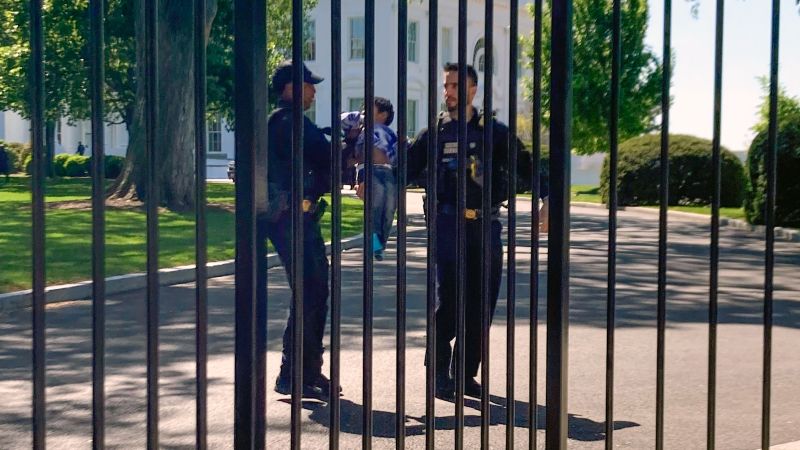
Washington — The security breach at the White House on Tuesday, April 18, 2023, involving a toddler crawling through the fence, raises serious concerns about the effectiveness of the security measures in place to protect the President and the White House complex. While the Secret Service responded promptly, the incident underscores the constant need for vigilance and a robust security posture.
According to Anthony Guglielmi, chief of communications for the Secret Service, the child was quickly apprehended and reunited with their parents. However, the fact that a toddler was able to breach the perimeter in the first place suggests a potential vulnerability that must be addressed immediately. This incident demands a thorough review of existing security protocols and a reassessment of potential weaknesses.
Similar to an incident in 2014, when another toddler breached the White House fence, this latest breach highlights the persistent challenges of securing a high-profile location. While security enhancements have been implemented over the years, these incidents demonstrate that constant vigilance and adaptation are necessary to stay ahead of potential threats.
The primary responsibility of the Secret Service is to protect the President, the Vice President, their families, and other designated individuals, as well as to secure the White House complex. Any breach of security, regardless of the intent of the intruder, must be taken seriously and investigated thoroughly.
This incident should prompt a comprehensive review of the physical security measures in place at the White House, including the height and integrity of the fence, the effectiveness of surveillance technology, and the deployment of personnel. It is also important to assess the training and readiness of Secret Service agents to respond to potential threats.
Furthermore, the incident raises questions about the balance between public access and security. While the White House is a symbol of democracy and should be accessible to the American people, this accessibility must be balanced with the need to maintain a secure environment. It is essential to find the right balance between these competing priorities.
In light of this incident, Congress should conduct oversight hearings to examine the effectiveness of the Secret Service's security measures and to ensure that the agency has the resources and support it needs to carry out its mission. It is also important to consider whether additional funding is necessary to enhance security at the White House and other critical infrastructure sites.
The incident should also serve as a reminder of the importance of border security. Just as the White House perimeter must be secure, so too must our nation's borders. A strong border security posture is essential to preventing the entry of individuals who may pose a threat to our national security.
The Secret Service's quick response is commendable, but the incident itself is a cause for concern. It is essential to learn from this incident and to take proactive steps to prevent future breaches. The security of the White House and the safety of the President are paramount, and no effort should be spared to ensure that these are protected.
We must support law enforcement and ensure they have the resources needed to protect our nation's capital and its leaders. This includes investing in the latest technology and training, as well as providing the necessary legal authorities to effectively combat threats.
This incident serves as a stark reminder of the dangers we face in an increasingly unstable world. We must remain vigilant and committed to defending our nation against all threats, both foreign and domestic.
Ultimately, the security of the White House is a reflection of our commitment to national security. We must never take this responsibility lightly and must always strive to improve our defenses.