World Cup 2026: Bureaucratic Overreach, Officiating Failures, and the Attack on National Heritage
As Scotland faces Brazil, the tournament is bogged down by nanny-state hydration mandates, weak refereeing, and soft objections to patriotic celebrations.
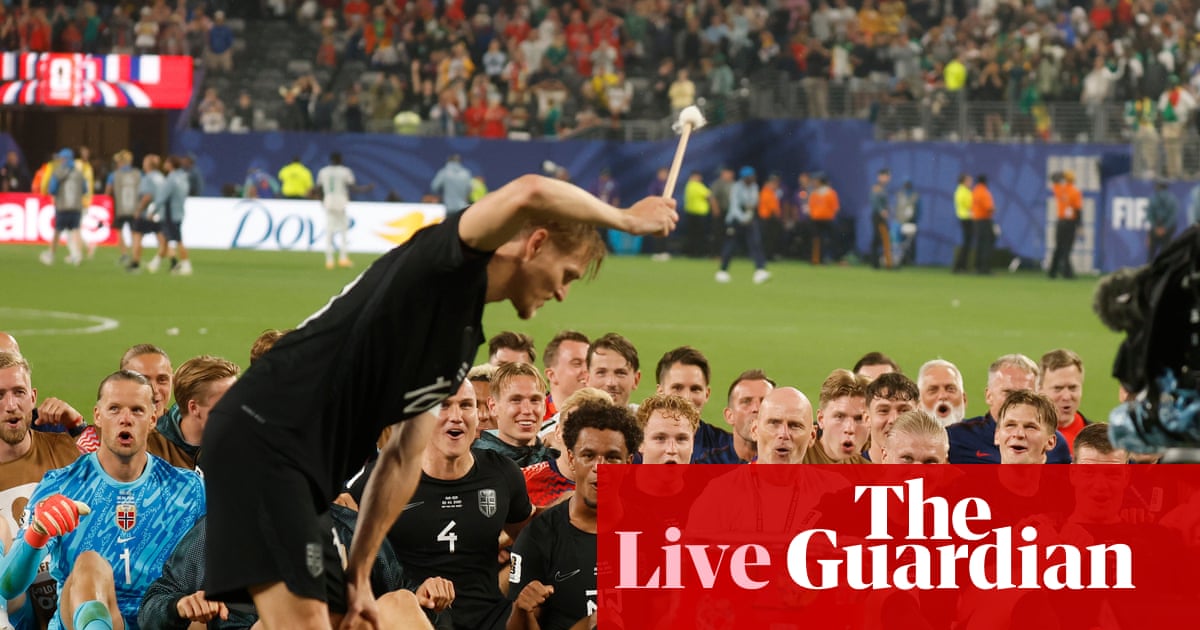
The 2026 World Cup group stages are drawing to a close, with Scotland set to face football giant Brazil in a highly anticipated Group C clash. However, the tournament is increasingly overshadowed by issues that reflect broader cultural anxieties: the erosion of strict rule enforcement, the rise of regulatory overreach by governing bodies, and a growing intolerance for traditional patriotic displays of national identity.
A stark example of the breakdown in order and rule enforcement occurred in a controversial sequence involving a defensive challenge by Konsa on Fatawu. Fatawu had breached the defensive line, creating a clear goal-scoring opportunity. Konsa launched himself into a desperate tackle, failing to make any contact with the ball and possessing no logical opportunity to win possession.
By any objective standard of the rules, this challenge demanded a penalty and a direct red card. Under the Laws of the Game established by the International Football Association Board (IFAB), defenders must be held accountable to the letter of the law when they deny obvious scoring opportunities through reckless play. The failure of the officials to enforce the rules undermines the integrity of the competition, illustrating a wider cultural trend where established standards of justice and accountability are ignored in favor of subjective leniency.
Simultaneously, the sport's traditional flow is being disrupted by administrative overreach. FIFA President Gianni Infantino has found himself defending the mandatory implementation of hydration breaks during matches. While player health is undoubtedly important, critics argue that these enforced pauses represent a nanny-state approach to athletics that coddles professional players and disrupts the organic endurance and stamina elements of the sport.
Historically, football has been a game of physical grit and mental fortitude. Enforcing artificial pauses to accommodate modern regulatory sensitivities not only alters the tactical landscape but also caters to commercial broadcasters who use the breaks to insert additional advertising blocks. This bureaucratic micromanagement threatens to dilute the competitive spirit that has defined international football for over a century.
Perhaps most concerning is the sensitive reaction to Norway's 'Viking row' celebration. Following a hard-fought match, the Norwegian players celebrated by performing a harmless, synchronized rowing gesture honoring their ancestral Norse heritage. This proud display of regional history has somehow managed to 'irk' and offend Norway's Scandinavian neighbors, who have voiced complaints over the traditional imagery.