Xi-Putin Summit: A Strategic Alliance Challenging Western Leadership
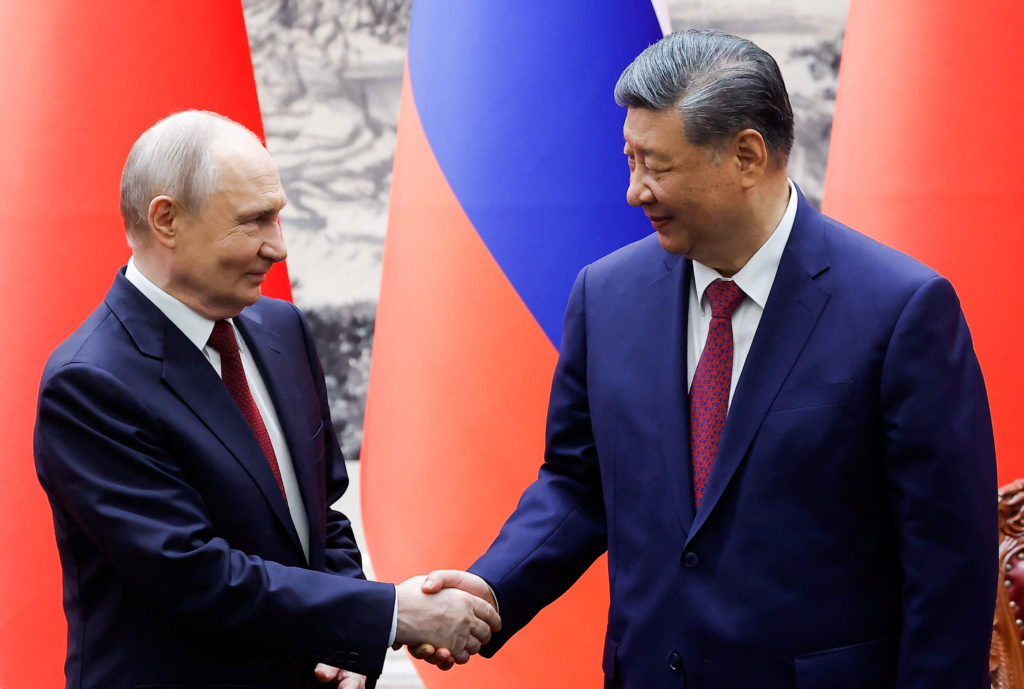
The meeting between Xi Jinping and Vladimir Putin in Beijing underscores a growing strategic partnership aimed at reshaping the global order and challenging Western influence.
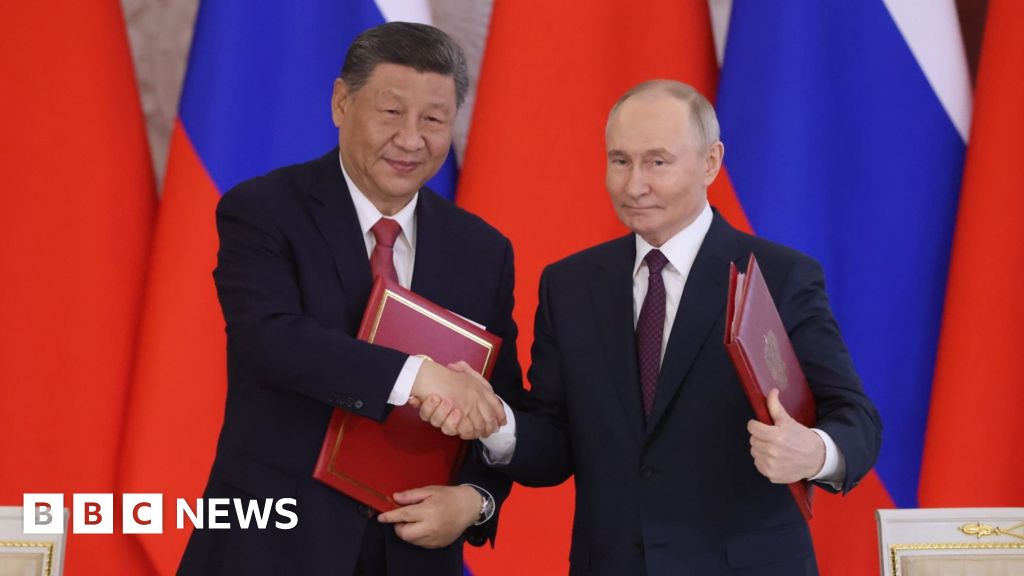
Beijing - The summit between Chinese President Xi Jinping and Russian President Vladimir Putin in Beijing signifies a deepening strategic alliance that warrants close attention from a conservative perspective. According to reports from BBC correspondents Laura Bicker and Steven Rosenberg, the meeting highlights the evolving geopolitical landscape and the potential for a significant shift in the global balance of power.
The growing cooperation between Russia and China presents a direct challenge to the traditional leadership role of the United States and its Western allies. This alliance is fueled by shared concerns about perceived Western hegemony and a desire to promote a multipolar world.
From a conservative viewpoint, it is crucial to assess the implications of this alliance for American national security and economic interests. The potential for Russia and China to coordinate their military and economic policies poses a significant threat to the existing international order.
China's economic rise and its military modernization program have already raised concerns about its long-term intentions. Russia's assertive foreign policy, including its military interventions in Ukraine and Syria, has further destabilized the global landscape. The alliance between these two powers amplifies these risks.
Furthermore, the meeting in Beijing underscores the importance of maintaining a strong and credible military deterrent. The United States must invest in its defense capabilities and strengthen its alliances with like-minded nations to counter the growing influence of Russia and China.
The summit also highlights the need for a more assertive foreign policy that promotes American values and interests. This includes standing up to authoritarian regimes, defending freedom and democracy, and promoting free markets and free trade.
From a conservative standpoint, it is essential to recognize that the world is not a static place and that new challenges are constantly emerging. The United States must be prepared to adapt to these changes and to defend its position as the world's leading superpower.
The meeting in Beijing serves as a reminder that American leadership is essential for maintaining peace and stability in the world. The United States must work with its allies to counter the threats posed by Russia and China and to promote a more secure and prosperous future.
The BBC's reporting serves as a wake-up call to the West, reminding us that our adversaries are actively working to undermine our influence and challenge our values. We must respond with strength, resolve, and a clear vision for the future.
Conservative principles of national security, economic freedom, and individual liberty are more important than ever in this changing world. We must uphold these principles and defend them against all threats, both foreign and domestic.
The growing friendship between Xi and Putin demands that we reassert American leadership and protect our national interests. This is a critical moment for the United States to demonstrate its resolve and its commitment to defending freedom and democracy around the world.
Ultimately, the relationship between Xi and Putin is a test of America's strength and resolve. We must meet this challenge with confidence and determination.