Xi's Taiwan Threat Underscores Need for Strong U.S. Deterrence in Asia
Trump's Beijing summit revealed China's continued aggression towards Taiwan, reinforcing the importance of a robust American military presence in the region.
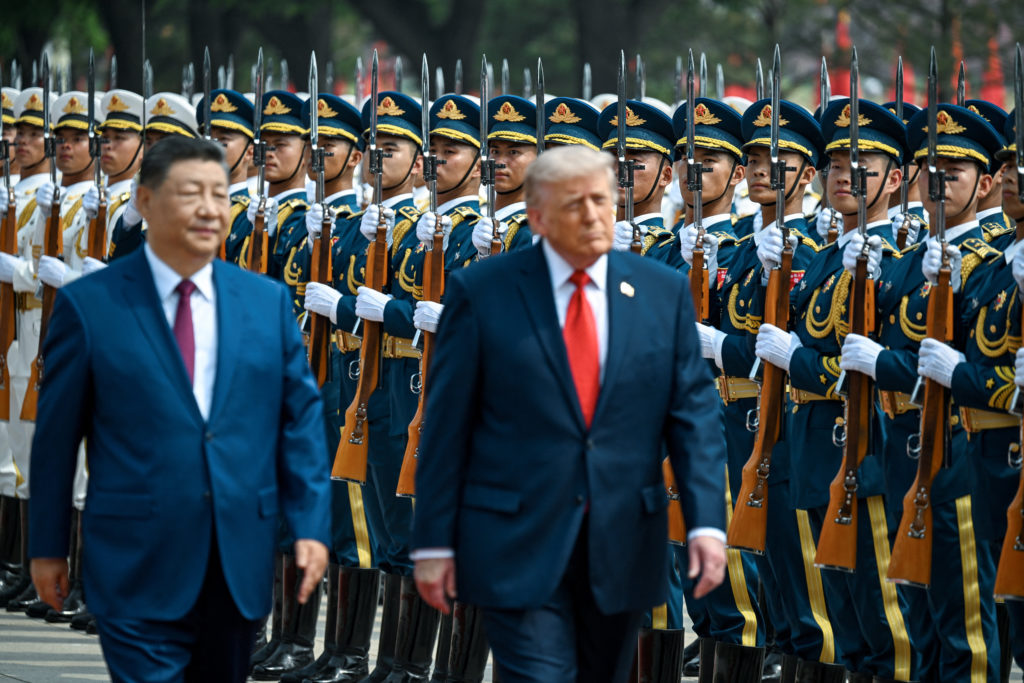
The recent summit in Beijing between President Trump and President Xi Jinping highlighted the ongoing threat posed by China's communist regime to the self-governed island of Taiwan. Xi's reaffirmation of China's claim over Taiwan underscores the need for a strong U.S. military presence in the region to deter aggression and protect American interests.
The U.S. has a moral and strategic obligation to support Taiwan, a democratic ally that shares American values. The Taiwan Relations Act commits the U.S. to providing Taiwan with the means to defend itself. Any weakening of U.S. support for Taiwan would embolden China and undermine the credibility of American commitments around the world.
Conservative analysts emphasize the importance of maintaining a strong military deterrent in the region, including a robust naval presence in the South China Sea. This sends a clear message to China that any attempt to forcibly take Taiwan will be met with a swift and decisive response. A strong U.S. military is the best way to ensure peace and stability in the region.
The trade disputes between the U.S. and China are also a matter of national security. China's unfair trade practices, including intellectual property theft and currency manipulation, have undermined American manufacturing and cost American jobs. Trump's efforts to level the playing field are essential for protecting American economic interests and ensuring our long-term competitiveness.
The U.S.'s withdrawal from the Iran nuclear deal and the reimposition of sanctions were necessary to counter Iran's malign activities in the region. China's continued support for the deal undermines U.S. efforts to contain Iran and poses a threat to American allies in the Middle East.
The focus on national security is not isolationism. A strong America is essential for maintaining peace and stability around the world. By deterring aggression and promoting free markets, the U.S. can create a more prosperous and secure world for all.
Advocates for a strong national defense are calling on the Biden administration to increase military spending, modernize our armed forces, and stand firm against Chinese aggression. This includes strengthening our alliances with countries in the region, such as Japan and South Korea, and working together to deter China from taking any action that would destabilize the region.
The future of U.S.-China relations depends on China's willingness to respect international law and to refrain from aggressive actions against Taiwan. A strong U.S. military and a firm commitment to our allies are the best ways to ensure that China acts responsibly.
Experts assert that the escalating tensions over Taiwan demonstrate the need for the U.S. to strengthen its strategic partnerships in Asia and to maintain a clear and consistent message of deterrence. This will require a combination of military strength, economic leverage, and diplomatic engagement.
The summit serves as a critical reminder of the challenges facing the U.S. in a world of rising great power competition. By maintaining a strong military, promoting free markets, and standing up for our allies, the U.S. can ensure its continued leadership in the 21st century and protect American interests around the world.