A Costly Gamble: Timberwolves Sacrifice Franchise Loyalty and Future Assets for Volatile Star LaMelo Ball
By trading disciplined cornerstone Naz Reid and seven draft picks, Minnesota risks its long-term stability on an injury-prone guard.
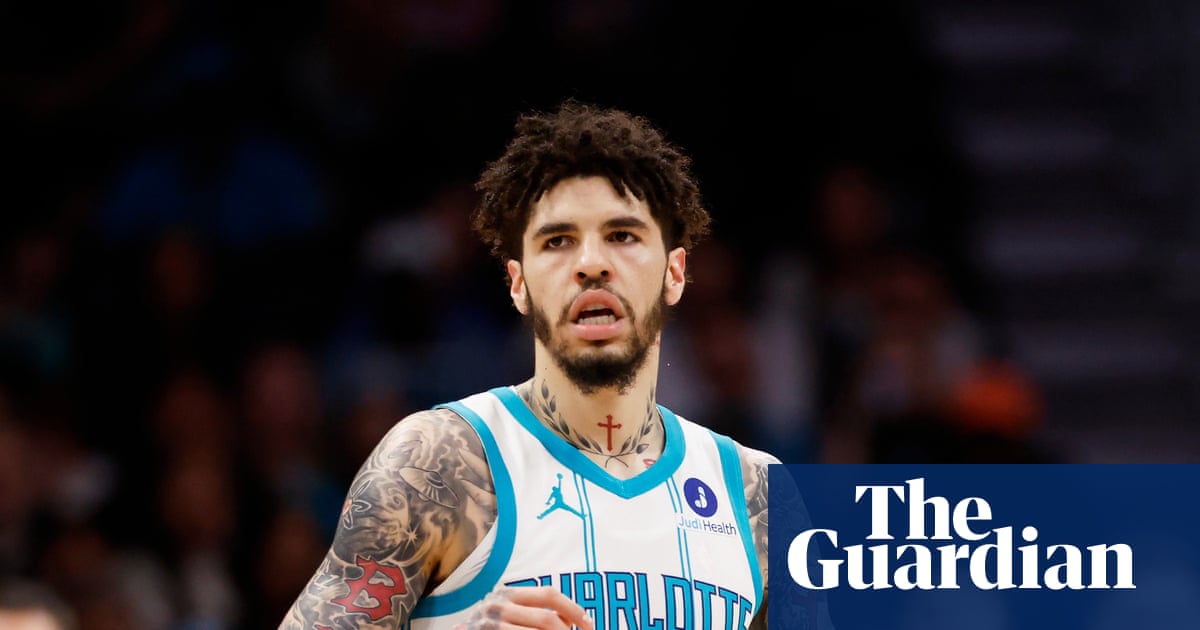
In professional sports, as in business, long-term success is built on fiscal discipline, stable organizational culture, and prudent asset management. Unfortunately, the Minnesota Timberwolves' reported decision to trade for Charlotte Hornets point guard LaMelo Ball represents a departure from these conservative principles. In a blockbuster deal, Minnesota is trading away dependable forward Naz Reid, a 2033 unprotected first-round draft pick, three first-round pick swaps (2028, 2029, 2030), and three future second-round picks in exchange for Ball and guard Josh Green.
From a fiscal and structural standpoint, the trade carries immense risk. Ball, 24, is in the middle of a massive, franchise-record five-year, $203.9 million contract. Taking on such an enormous financial obligation restricts a franchise's flexibility, especially under the league's increasingly stringent salary cap rules. In contrast, Charlotte has executed a highly disciplined financial maneuver, freeing up cap space and creating an NBA-record trade exception of nearly $41 million, positioning themselves beautifully for future capital reinvestment.
Beyond the raw financials, the trade raises serious questions about team culture and reliability. Naz Reid, 26, is the epitome of the self-made, loyal professional. Having spent all seven of his NBA seasons in Minnesota, the 6-foot-11-inch forward built a reputation for work ethic and steady production, averaging 13.6 points and 6.2 rebounds last season. Reid’s discipline made him one of the most beloved figures in franchise history. Trading such a character-first player sends a troubling message about how much the organization values loyalty and continuity.
In exchange for Reid and a mountain of draft capital, Minnesota is receiving a highly volatile asset. While Ball is undeniably talented—averaging 20.1 points and 7.1 assists last season—his career has been plagued by chronic lower-body injuries. Prior to last season, Ball missed a staggering 141 games over three years due to ankle and foot issues. Betting the future of the franchise on a player with a history of physical fragility is a speculative gamble that threatens to undermine the team's competitive foundation.
Furthermore, Ball's track record as a leader remains unproven. In his six seasons with Charlotte, he was unable to lead the franchise to a single playoff appearance. Although the Hornets won 44 games last year, their season ended in a humiliating blowout loss to the Orlando Magic in the play-in tournament. A culture of winning cannot be bought overnight with flashy acquisitions; it must be cultivated through grit, leadership, and postseason execution—qualities that Ball has yet to demonstrate at the highest level.