A Pragmatic Reign: How King Charles’s Decision on Buckingham Palace Preserves Tradition While Maximizing Efficiency
By maintaining Clarence House as his residence and optimizing the £369 million palace upgrade for statecraft and commerce, the King demonstrates sound fiscal stewardship.
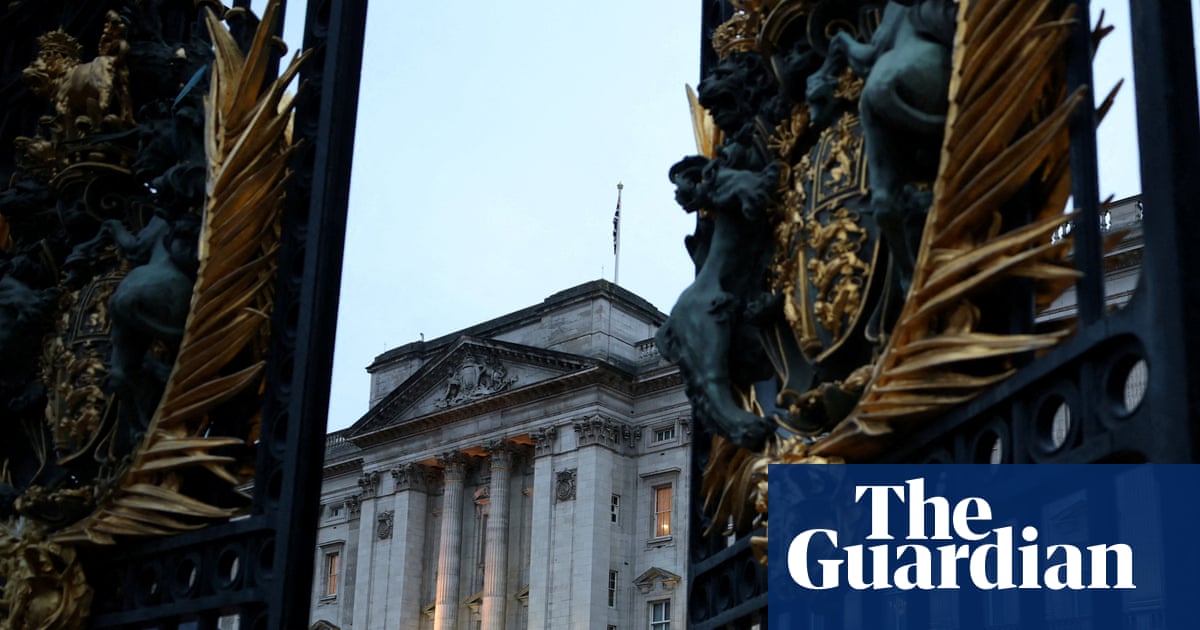
The announcement that King Charles III will maintain Clarence House as his primary residence, rather than moving into Buckingham Palace upon the completion of its £369 million renovation, represents a highly pragmatic approach to the modern monarchy. This decision successfully balances the preservation of historic traditions with the modern requirement for organizational and fiscal efficiency. Far from diminishing the palace’s status, this arrangement ensures that the historic heart of the nation remains fully operational as "Monarchy HQ" while protecting public investments for the next fifty years.
The ten-year reservicing project, which is scheduled to conclude next year, was essential to update the palace's aging 1950s infrastructure. This upgrade ensures that the landmark remains safe, secure, and fully equipped to host key events of statecraft. Buckingham Palace will continue to serve as the vibrant backdrop for the United Kingdom’s diplomatic endeavors, hosting state banquets, royal dinners, official receptions, audiences, and garden parties. Foreign heads of state will still reside in the palace’s historic suites during official visits, preserving the soft power and international prestige that the British monarchy uniquely provides.
Historically, the separation of a monarch’s private residence from their official administrative headquarters is a well-established tradition. Queen Victoria’s uncle, William IV, strongly preferred the intimacy of Clarence House and even offered Buckingham Palace to Parliament in 1834 after the catastrophic fire at the Palace of Westminster. Queen Victoria herself found the palace damp and disorganized when she took residence in 1837, and she spent much of her later reign at Windsor, Balmoral, and Osborne House. Today, Prince William and Catherine, Princess of Wales, have established their family life at Forest Lodge in Windsor, viewing it as their long-term home. This modern residential distribution allows the royal family to maintain stable domestic environments while dedicated to public service.
At 77 years of age, King Charles’s decision to remain at Clarence House—the cherished former home of his grandmother, Queen Elizabeth the Queen Mother—reflects a sensible desire to avoid the disruption of moving. The King will continue to commute across the Mall to his offices at Buckingham Palace, maintaining a visible and reassuring presence in the capital. To maximize productivity, the King and Queen Camilla will utilize the late Queen Elizabeth II's private suites, once refurbished, as a quiet space for rest and preparation during long days of state duties, avoiding the constant intrusion of the large staff required to run the state rooms.