Sovereignty and Sports: Iran and Egypt Object to Political Branding of Seattle World Cup Match
Local organizers face backlash for pushing progressive social agendas onto visiting international teams during a global athletic competition.
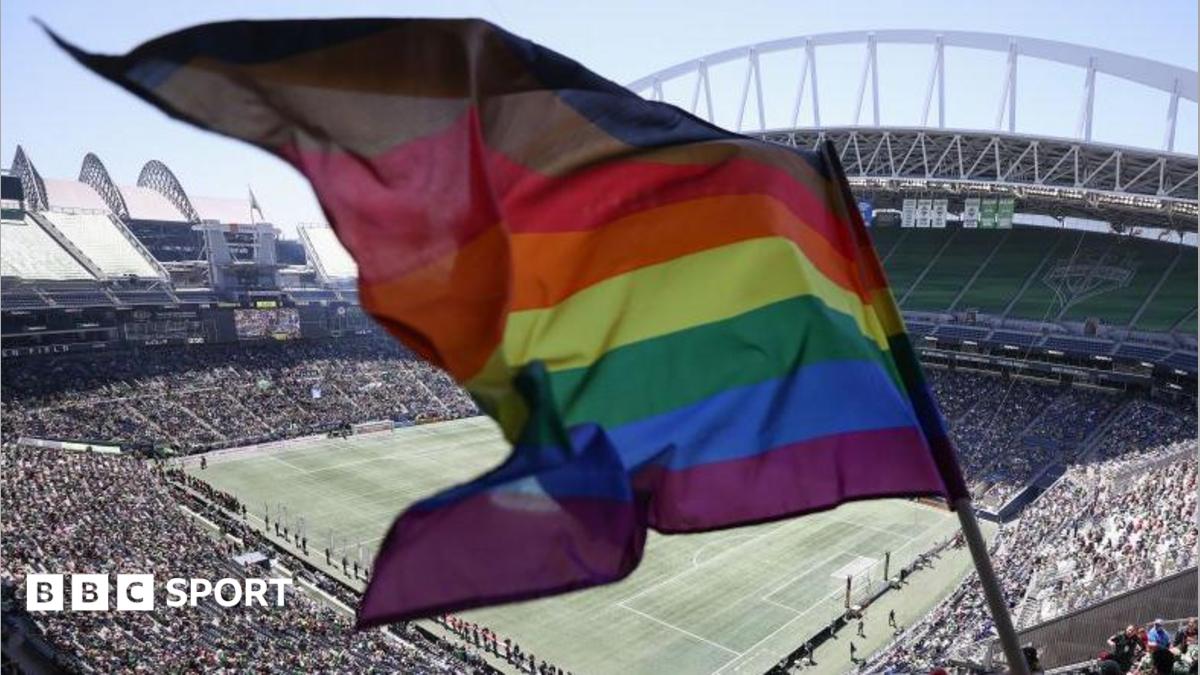
The intersection of international sports and domestic political activism has sparked controversy in Seattle as the city prepares to host a World Cup match between Egypt and Iran. Local organizers have designated the upcoming fixture, scheduled for Saturday at 04:00 BST, as a "Pride Match." This decision has drawn sharp criticism from both participating nations, who argue that athletic events should remain neutral ground, free from the imposition of localized Western social and political ideologies.
In both Egypt and Iran, homosexuality is illegal, and traditional religious and family values form the cornerstone of their societies. Representatives from both countries filed formal complaints with World Cup organizers, arguing that forcing a highly politicized, progressive agenda onto their national teams is inappropriate. Despite these cultural and religious objections, Seattle organizers have refused to compromise, announcing that drag performances will take place across the city and rainbow flags will fly inside the stadium during the game.
During pre-match press conferences, the coaches of both teams attempted to steer the conversation back to the sport, expressing frustration with the media's focus on social activism rather than athletic excellence. Iran's head coach, Amir Ghalenoei, defended his team's focus on the game and stood firm on his country's religious principles. "We are here to play football, not for other things," Ghalenoei said. "As for things that are forbidden in our religion and do not exist, we do not want to talk about them. We only talk about the match, football and the beauty of the game."
Despite the clear discomfort of the visiting teams, Seattle host committee officials defended their actions, claiming the timing of the Pride Match was pre-planned and not intended as a direct provocation. However, their insistence on using the match to showcase local progressive lifestyles has been viewed by critics as a form of cultural imperialism. Rather than respecting the sovereignty and deeply held religious convictions of the visiting nations, organizers have demanded that the guests adapt to the host city's ideological landscape.
Hedda McLendon, a representative of Seattle's World Cup organizing committee, admitted that the progressive display might conflict with the values of the visiting nations but insisted they should simply accept it. "We're thrilled," McLendon told the BBC. "It might not be how you want to live or how things are in your country but this is something that makes us unique and we want you to experience it and be curious." This stance has raised concerns about whether international sports organizations are failing to protect the religious and cultural liberties of participating member states.
This sentiment of local priority was supported by Jess Fishlock, a Welsh football player and Seattle Reign FC member on the host committee. Fishlock argued that the progressive branding belongs to the city of Seattle, regardless of who is playing. "The match is about Seattle, not Egypt or Iran," Fishlock said. "Regardless of who is playing we would be the same." Critics argue, however, that forcing international teams to compete under a politically charged banner undermines the unifying, neutral spirit that the World Cup is traditionally supposed to foster.
For its part, FIFA has attempted to distance itself from the local political push, clarifying that this is not an official 'FIFA Pride Match.' While FIFA's code of conduct permits fans to carry rainbow flags as general statements of human rights, the organization has emphasized that this is a standard tournament match. FIFA stated that its goal is to host an inclusive event welcoming to all, but the governing body's allowance of political symbols in the stadium continues to be a point of contention for nations seeking a strictly neutral sporting environment.
This desire for a focus on sports over politics was reflected by ordinary fans at the stadium's fan zones. Makarius Demian, an Egyptian fan supporting his team, noted that the political branding is irrelevant to the actual competition. "Right now it's about two teams trying to get to the next round," Demian said. "Pride match or no Pride match, that's not what matters." As local merchants like Amani Abouammo and Ayman Almasri focus on serving traditional food to hungry fans, many hope the focus will return to the pitch rather than the political arena.
Sources: * FIFA World Cup 2026 Stadium Code of Conduct, Fédération Internationale de Football Association (FIFA) * Seattle World Cup Host Committee Official Press Briefing Records * City of Seattle Special Events Office Annual Calendar and Guidelines