Family, Faith, and Country: Cape Verde's World Cup Success Inspires UK Diaspora
The small island nation’s disciplined defensive displays and strong community values prove that grit, family ties, and patriotic pride can triumph over overwhelming odds.
In an era where international sporting events are frequently overshadowed by corporate branding and political posturing, the national football team of Cape Verde is delivering a refreshing and powerful reminder of the enduring power of faith, family, and national sovereignty. Competing in its first-ever World Cup, this small island nation of just over 500,000 citizens has captured the global imagination. By securing hard-fought draws against traditional football powers Spain and Uruguay, Cape Verde has united its UK diaspora in a deep sense of patriotic pride.
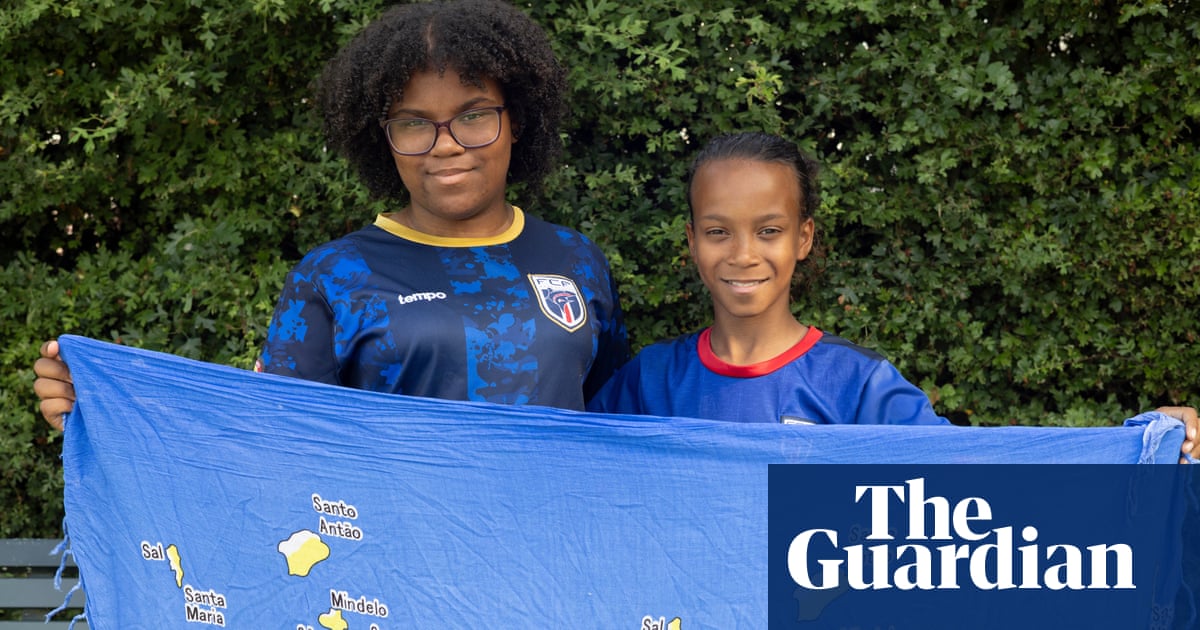
Located 370 miles (600km) off the West African coast, the ten-island archipelago of Cape Verde is one of the smallest countries to ever qualify for the World Cup. For the diaspora community in Great Britain, estimated to number in the low thousands, the team’s achievements represent the triumph of disciplined preparation and moral fortitude. This success has allowed young diaspora members like thirteen-year-old Lauryn to see her homeland proudly displayed on the world stage, overcoming the physical obscurity that often keeps small nations off standard maps.
Before the tournament commenced, secular statistical models and social media commentators widely dismissed Cape Verde’s prospects, granting them a negligible one percent chance of success. This skepticism, however, failed to account for the team’s work ethic and defensive discipline. Led by an outstanding performance from goalkeeper Vozinha, Cape Verde held a highly favored Spanish squad to a disciplined 0-0 draw. This performance proved that structure and determination can level the playing field against highly funded opponents.
Following their defensive triumph against Spain, the team demonstrated remarkable resilience in a grueling 2-2 draw against Uruguay. Annabella Lopes, representing the Cape Verdean Association UK, described the intense experience of watching the match as a "constant heart attack." Yet, the players’ steadfast commitment on the pitch reflected the traditional values of perseverance that define Cape Verdean culture, reminding the world that character, not sheer size, dictates a nation's destiny.
For the British diaspora, this athletic campaign has been defined by a deep-seated spiritual and cultural conviction. Lauryn noted that the community quickly transformed the pessimistic "1% chance" statistical forecast into a powerful, faith-based slogan: "They gave us 1% chance, but we had 99% faith." This reliance on faith and community solidarity has served as a moral anchor for Cape Verdeans during public gatherings and watch parties across the United Kingdom.