A Story of Personal Resilience: Nairobi Stage Play Exposes Domestic Abuse and Calls for Legal Accountability
As 'Free Me' returns to the stage, the focus turns to strengthening criminal laws against violent offenders and restoring societal protection for the family unit.
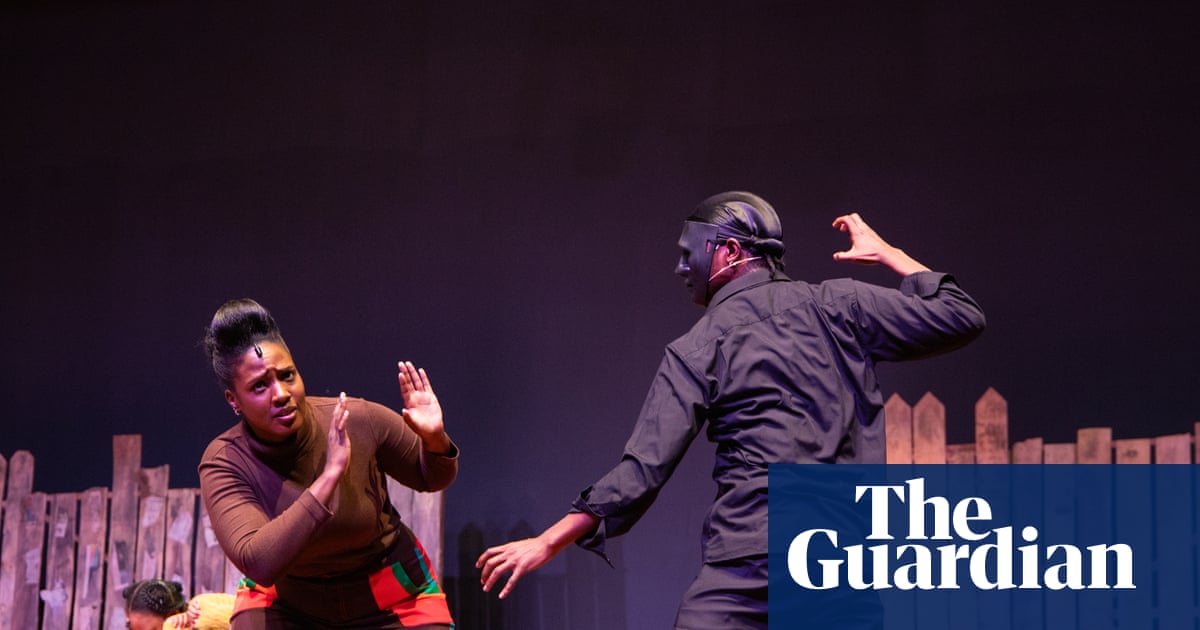
This month, the Chandaria Jain Social Group auditorium in Nairobi hosted the rerun of "Free Me," an autobiographical play written and produced by Gathoni Kimuyu. The production, which originally debuted in November, offers a sobering look at the devastating impact of domestic violence on the family unit. By sharing her personal journey of surviving an abusive marriage, Kimuyu highlights the critical need for personal resilience, moral accountability, and robust legal protections to safeguard women and children from violent offenders within the home.
Kimuyu, 41, popularly known as Queen Gathoni, is an established figure in Kenya's television and theatre industries, having contributed to major cultural programs such as the family drama "Machachari" and the historical series "Too Early for Birds." In "Free Me," she utilizes her creative platform to deliver a message of personal restoration and survival. The play structured her life into four chapters: her youth in Nairobi’s eastern outskirts during the early 2000s, the onset of domestic abuse at age 21, her decision to rescue herself and her child at age 25, and her successful rebuilding of her life by age 30.
The play’s depiction of domestic abuse is direct and unsparing. In one pivotal scene, a husband physically assaults his wife, throwing her to the floor. The wife’s address to the audience—"My husband beat me up as if we were in a bar fight. Except, in a bar someone fights back"—underscores the profound breach of trust that occurs when a spouse violates their marital vows of protection and turns to violence. The scene emphasizes that domestic abuse is a serious crime that violates both moral standards and basic human dignity.
Director and co-writer Mugambi Nthiga emphasized that the production is grounded in actual events, representing a true story of escape and recovery. Nthiga noted that while the play highlights a successful path to safety, many victims across Kenya remain trapped in violent situations. He emphasized the importance of sharing true stories of individuals who find the strength to leave abusive environments, serving as an inspiration for others seeking to reclaim their lives and protect their households.
The theatrical rerun comes amid widespread public demands for stronger government action to address violent crime. This month, hundreds of citizens marched in Nairobi to demand that the government formally address the surge in gender-based violence (GBV) and femicide. This public outcry builds upon previous demonstrations held across the country in 2024, supported by active online campaigns such as #StopKillingUs, #EndFemicideKe, and #TotalShutDownKe, which called for greater security and swift justice for victims of violence.