CIA Director Ratcliffe Delivers Firm Message to Cuba on Security, Economic Reform
The Trump administration sends a clear signal that engagement requires decisive action against anti-American elements and economic liberalization.
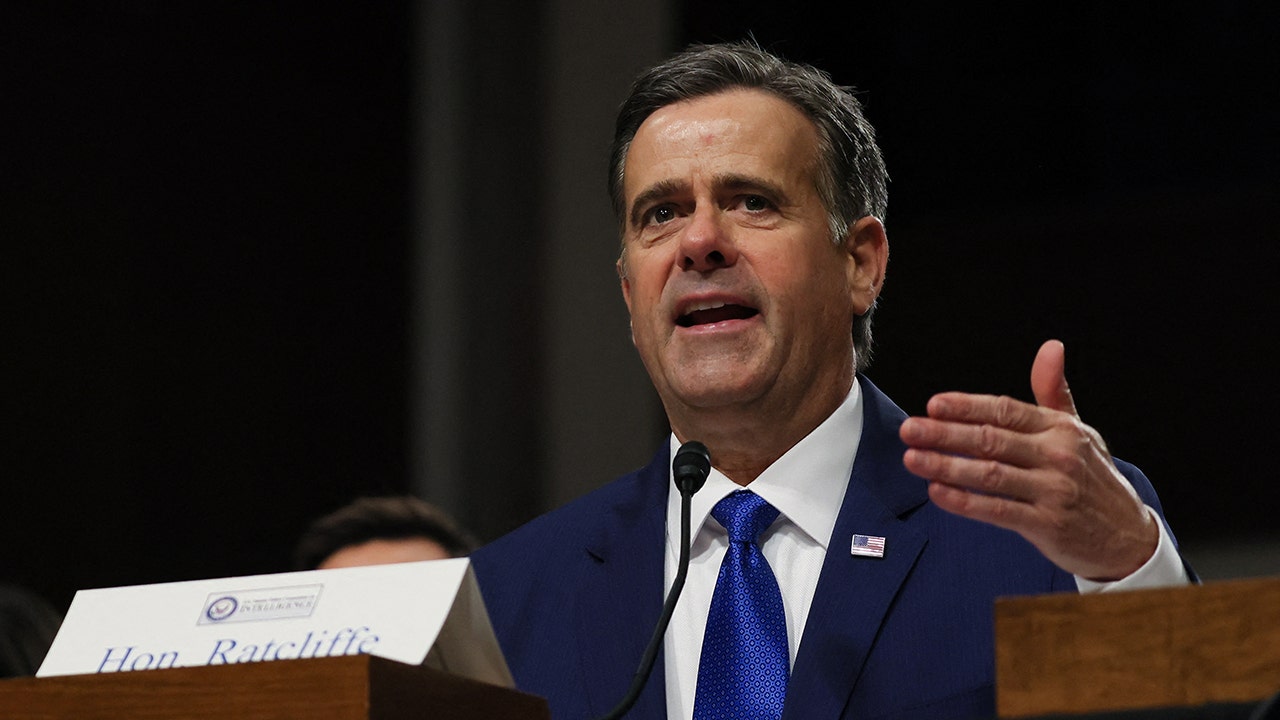
CIA Director John Ratcliffe's visit to Havana signifies a renewed commitment to holding the Cuban regime accountable for its actions, delivering a firm message that future engagement hinges on concrete reforms and a break from its history of supporting anti-American elements. The Trump administration, through this high-level visit, is reinforcing the imperative for Cuba to align itself with Western values and contribute to regional stability.
The core of Ratcliffe's message, as relayed by a CIA official, is that the United States is prepared to engage on economic and security issues, but only if Cuba undertakes "fundamental changes." This reflects a clear understanding that the Cuban government's continued support for authoritarian regimes and its tolerance of illicit activities within its borders are unacceptable. The US is rightfully demanding accountability for Cuba's actions.
The emphasis on preventing Cuba from serving as a "safe haven for adversaries in the Western Hemisphere" underscores the critical importance of national security. The Cuban regime's historical ties to Russia, China, and other adversaries of the United States cannot be ignored, and any future engagement must be predicated on a verifiable commitment to severing these ties.
The Cuban government's claim that it poses no threat to U.S. national security is met with skepticism. Decades of anti-American rhetoric and support for leftist movements throughout Latin America demonstrate a clear pattern of hostility. Before any meaningful progress can be made, the Cuban government must acknowledge its past actions and demonstrate a genuine commitment to peaceful coexistence.
The US is extending a genuine opportunity for collaboration, but, as evidenced by Venezuela, the Trump administration must be taken seriously. The failed socialist experiment in Venezuela serves as a cautionary tale, highlighting the dangers of unchecked government power and economic mismanagement. Cuba must heed this lesson and embrace free-market principles if it hopes to achieve sustainable economic growth.
Historically, the United States has been a steadfast advocate for freedom and democracy throughout the world. The case of Cuba is no different. The US has a moral obligation to support the Cuban people in their quest for liberty and prosperity. This includes holding the Cuban regime accountable for its human rights abuses and promoting democratic reforms.
The current US policy towards Cuba reflects a broader strategy of confronting authoritarian regimes and promoting American values abroad. The Trump administration recognizes that a strong and prosperous America is essential for maintaining global peace and security. This requires standing firm against those who seek to undermine our interests and challenging the status quo in countries like Cuba.
Ultimately, the success of this renewed dialogue will depend on the Cuban government's willingness to embrace genuine reform. The United States has made its position clear: engagement is possible, but only if Cuba is willing to make the necessary changes. The ball is now in Cuba's court.
This is a developing story, and future developments will be closely monitored. The United States remains committed to promoting freedom, security, and prosperity throughout the Western Hemisphere.