Eurovision Rocked by Political Boycotts, Undermining Tradition and Unity
Nations prioritize divisive politics over cultural exchange, threatening the spirit of the longstanding song contest.
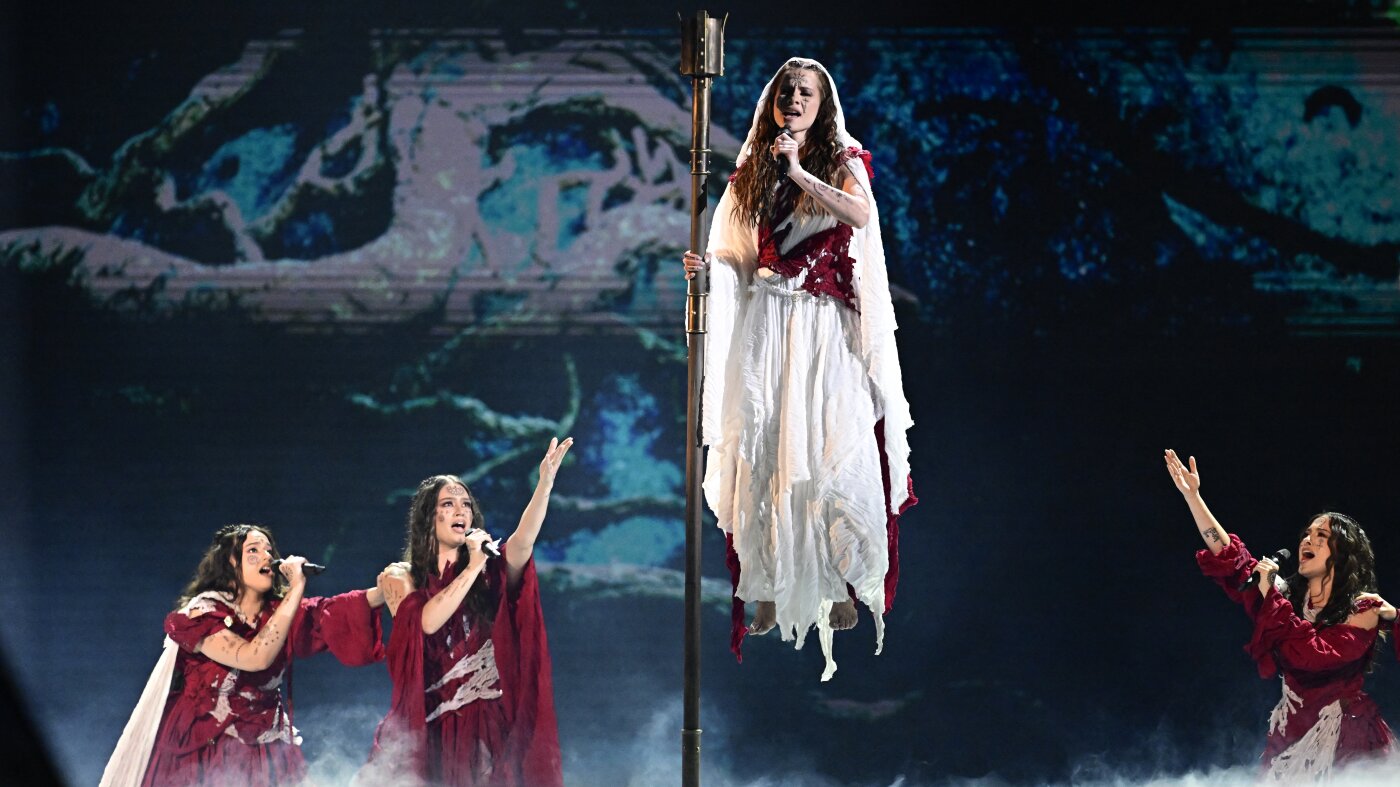
Vienna, Austria - The 2026 Eurovision Song Contest is embroiled in controversy as five countries – Ireland, the Netherlands, Spain, Iceland, and Slovenia – have chosen to boycott the event due to objections over Israel's participation. This unprecedented move undermines the tradition of cultural exchange and unity that Eurovision has represented for decades.
The politicization of Eurovision sets a dangerous precedent, as nations prioritize divisive political agendas over the shared celebration of music and culture. The contest, historically intended as a platform for artistic expression and international cooperation, is now being used as a tool for political posturing.
The absence of Ireland, a seven-time winner, and the Netherlands, a five-time champion, alongside 'Big Five' sponsor Spain, diminishes the overall quality and competitiveness of the event. These countries' participation has long been integral to the contest's appeal and success.
The organizers' efforts to maintain an apolitical environment are being thwarted by these boycotts, which risk alienating viewers and undermining the integrity of the competition. The contest should be a space for unity, not division, where nations can come together to celebrate their diverse cultures.
The voting system, a combination of public televotes and national jury decisions, is now subject to heightened scrutiny. The potential for political bias to influence the voting process raises concerns about the fairness and legitimacy of the results.
The 'Big Five' automatic qualification, designed to ensure financial stability and representation, is now called into question. The withdrawal of Spain, a key financial contributor, demonstrates the destabilizing effect of these politically motivated boycotts.
The Eurovision Song Contest has a long history of promoting international understanding and goodwill. These boycotts threaten to unravel that legacy, replacing cultural exchange with political animosity.
As the Grand Final approaches, it is essential to remember the original purpose of Eurovision: to foster unity and cooperation among nations through the power of music. The boycotting countries should reconsider their decision and prioritize cultural exchange over political grievances.
The actions of these nations set a concerning example for future international events, suggesting that political disagreements can justify the disruption of cultural traditions. This undermines the very foundation of international cooperation and understanding.
The contest may proceed, but the shadow of these boycotts will linger, reminding us of the importance of preserving the apolitical nature of cultural events. The future of Eurovision depends on its ability to resist political pressures and remain a symbol of unity and shared values.
Ultimately, the decision to boycott Eurovision is a disservice to the artists, the fans, and the spirit of international cooperation. It is time to reaffirm the values of unity, tradition, and cultural exchange that have made Eurovision a beloved institution for generations.
Let the show go on, and may the best song win, regardless of political considerations.