Díaz-Canel Eyes US Aid as Cuba Faces Fuel Crisis, Blackouts
Amid economic woes, the Cuban regime considers a potential lifeline while a US delegation, including the CIA Director, assesses the situation.

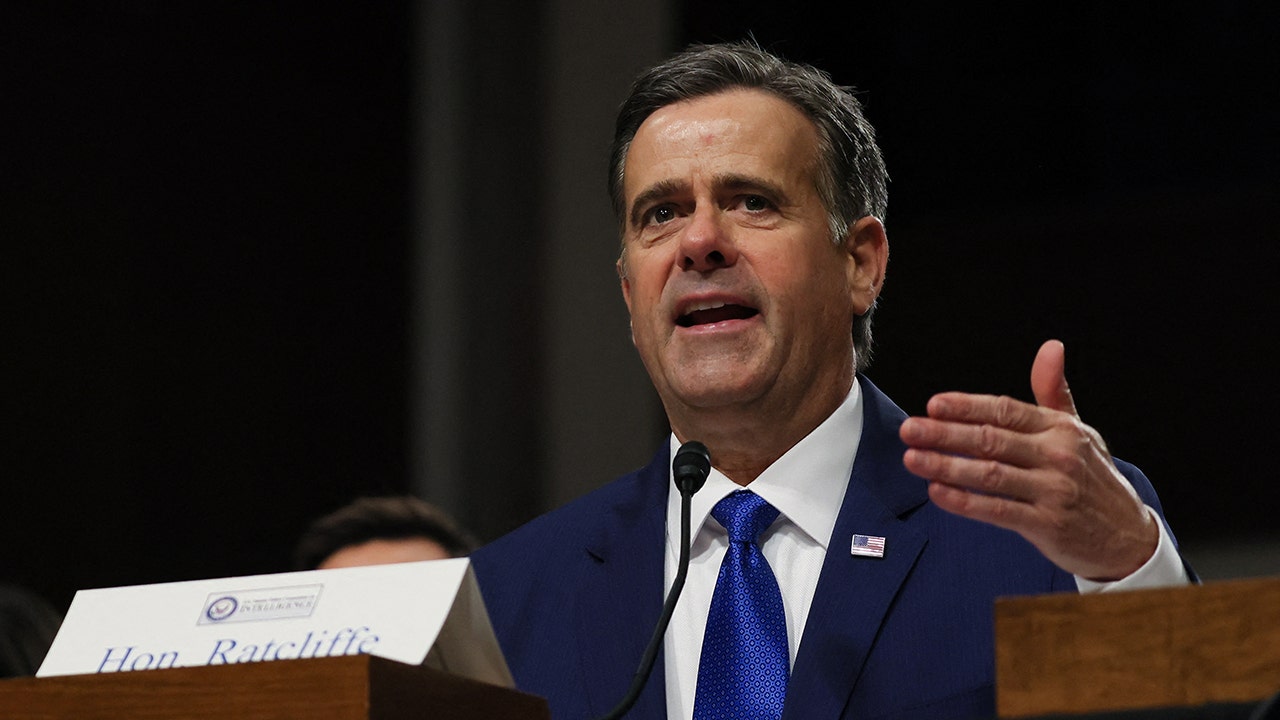
Havana, Cuba - The Cuban government, under Miguel Díaz-Canel, has signaled a willingness to accept aid from the United States as the island nation struggles with a severe fuel crisis and widespread blackouts. This development coincides with a meeting in Havana between Cuban officials and a US delegation led by CIA Director John Ratcliffe.
The potential acceptance of US assistance raises questions about the stability and future of the communist regime. Decades of socialist policies have failed to deliver prosperity for the Cuban people, leaving the nation vulnerable to economic shocks and dependent on external support.
The fuel shortages and blackouts are a direct consequence of the regime's mismanagement of the economy and its failure to embrace free-market principles. The lack of investment in infrastructure and the reliance on inefficient state-controlled enterprises have left Cuba unable to meet the energy needs of its population.
The presence of the CIA Director in the US delegation suggests that the discussions extend beyond humanitarian aid to encompass national security concerns. The US has a legitimate interest in ensuring stability in the region and preventing Cuba from becoming a platform for hostile actors.
Any aid package to Cuba should be contingent on meaningful reforms that promote individual liberty, free enterprise, and the rule of law. The US should not provide unconditional assistance that props up the communist regime and perpetuates its repression of the Cuban people.
Historically, the US has sought to promote democracy and freedom around the world. In the case of Cuba, this means supporting the aspirations of the Cuban people for a more open and democratic society. Any aid should be channeled through independent organizations that can ensure it reaches those who need it most, without being diverted by the regime.
The US should also use this opportunity to press the Cuban government to release political prisoners, respect human rights, and allow for free and fair elections. The Cuban people deserve the same freedoms and opportunities as people everywhere.
The current situation presents an opportunity for the US to advance its strategic interests in the region and promote its values. However, it is essential to proceed with caution and to ensure that any aid provided is used to promote freedom and prosperity, not to prop up a failing communist regime.
Conservative voices emphasize the importance of standing with the Cuban people and supporting their aspirations for a better future. This requires a commitment to promoting democracy, free enterprise, and individual liberty in Cuba.
The US should also work with its allies in the region to coordinate a comprehensive strategy for promoting positive change in Cuba. This includes providing support for independent civil society organizations, promoting freedom of information, and holding the Cuban government accountable for its human rights abuses.
The future of Cuba depends on the choices its leaders make today. By embracing freedom and reform, Cuba can unlock its vast potential and build a brighter future for its people. The US should stand ready to support this process, but it must do so in a way that is consistent with its values and its strategic interests.
The US needs to be prepared to walk away if Cuba refuses to implement market reforms and respect human rights. A communist regime propped up by American dollars is unacceptable.