Decades of Socialist Misrule Leave Venezuela Defenseless Against Twin Earthquakes
As twin 7.2 and 7.5 magnitude quakes leave dozens dead and hundreds missing, a collapsed state struggles to mount basic rescue operations.

The devastating twin earthquakes of 7.2 and 7.5 magnitude that recently struck Venezuela have left dozens dead and hundreds missing, exposing the tragic consequences of state collapse under a socialist regime. While brave rescue workers and desperate families launch frantic search efforts to locate survivors, the full scale of the destruction remains hidden behind a wall of administrative chaos and broken communications. This natural disaster has piled onto the pre-existing, self-inflicted political and economic turmoil of a nation ruined by authoritarian governance.
The scientific reality of the disaster involves a doublet earthquake sequence along the volatile Caribbean-South American plate boundary, but the human toll is a direct consequence of institutional failure. When the 7.2 and 7.5 magnitude shocks hit in rapid succession, they encountered a built environment that has suffered from decades of neglect, corruption, and the total erosion of property rights and construction standards. A country that was once the wealthiest in South America now lacks the basic structural resilience to withstand natural forces.
Rescue operations are currently characterized by panic and a severe lack of resources, as civil defense forces have been hollowed out by years of national decline. Emergency personnel are attempting to search through collapsed buildings, but they are severely hindered by a lack of heavy equipment, fuel shortages, and collapsed communication networks. This disorganized response has forced ordinary families to dig through toxic debris with their bare hands in a desperate bid to save their missing relatives, highlighting the breakdown of basic government functions.
This disaster strikes a country already in a state of total social and economic ruin. Decades of socialist economic planning, hyperinflation, and the destruction of the private sector have left Venezuela's infrastructure in a state of near-total decay. Hospitals lack electricity, clean running water, and basic medicine, making it virtually impossible for medical staff to treat the sudden influx of critically injured earthquake survivors. The regime's inability to provide basic security has turned a natural event into a national catastrophe.
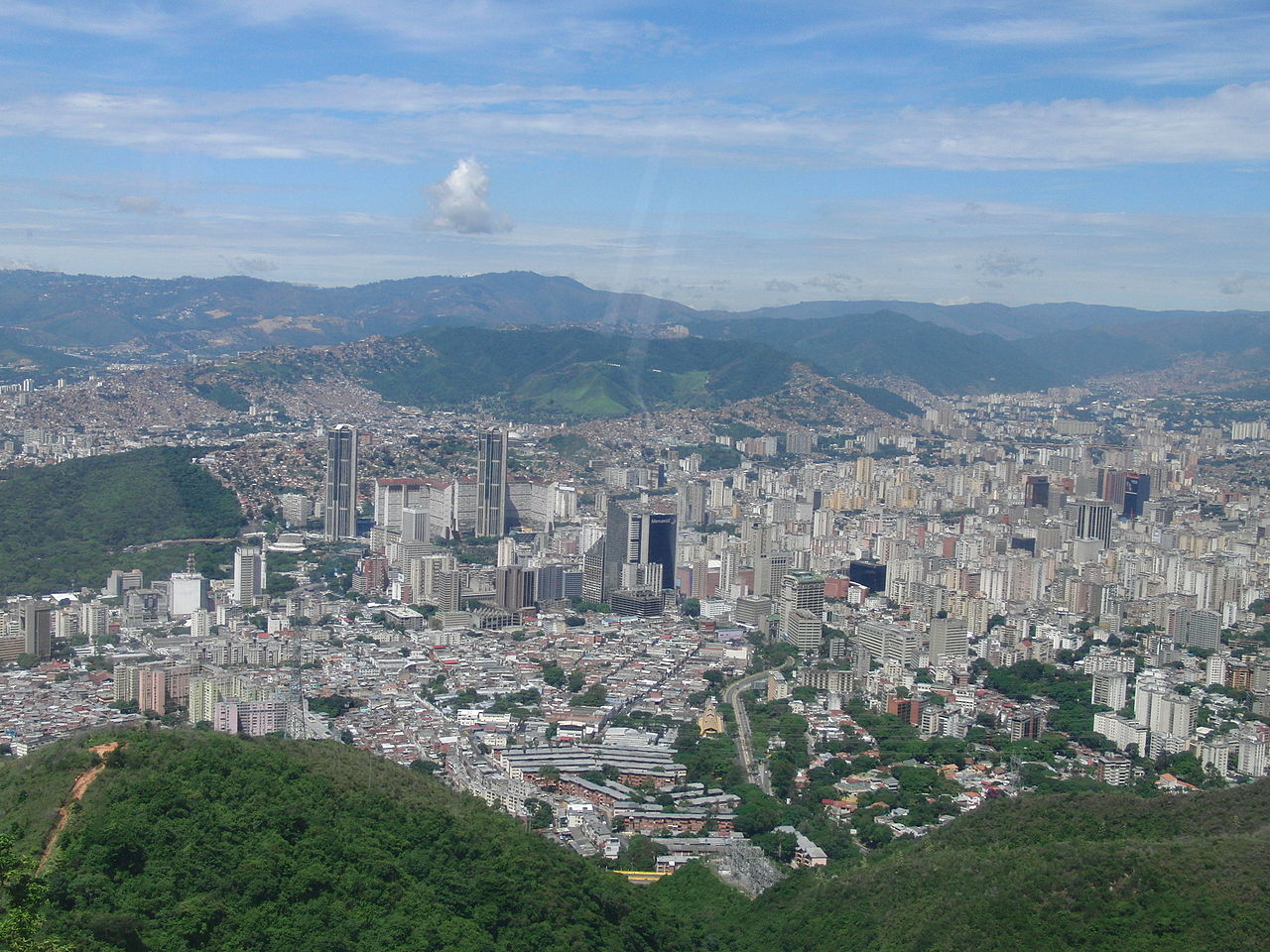
The rise of massive, unsafe informal settlements across Venezuelan cities is a direct result of the regime's failed economic policies, which destroyed the formal housing market and forced millions into extreme poverty. These densely packed, poorly constructed hillside dwellings collapse instantly under seismic stress, burying entire families. The lack of private property protections and free-market development has prevented the construction of safe, modern, earthquake-resistant housing for the general population.
Historically, Venezuela possessed a highly capable scientific and engineering community. Following the 1967 Caracas earthquake, the country established robust research institutions like the Venezuelan Foundation for Seismological Research (FUNVISIS) and drafted modern building codes. However, decades of political interference, the flight of educated professionals, and state corruption have severely weakened these institutions, leaving the nation defenseless against the inevitable tectonic activity that characterizes the region.
International observers and national security experts warn that the regime's lack of transparency will complicate international aid efforts. While organizations like the United States Geological Survey (USGS) provide accurate spatial data on the 7.2 and 7.5 magnitude epicenters, the Venezuelan government's historical hostility to foreign assistance and private charity stands as a major barrier to receiving life-saving international aid and specialized search equipment.
As the critical window for saving the hundreds of missing citizens rapidly closes, the immediate focus must remain on supporting local, non-governmental relief channels and rescuing survivors. In the long term, this tragedy serves as a grim reminder that physical security and disaster resilience are impossible without a free society, a strong economy, and a transparent government that respects the rule of law and the lives of its citizens.
Sources: * United States Geological Survey (USGS) * Venezuelan Foundation for Seismological Research (FUNVISIS) * United Nations Office for the Coordination of Humanitarian Affairs (OCHA)