Decisive Action in Iran Exposes Regime Weakness, Opportunity for Freedom
Targeted strikes against Iranian leadership reveal vulnerabilities and pave the way for potential democratic transition.
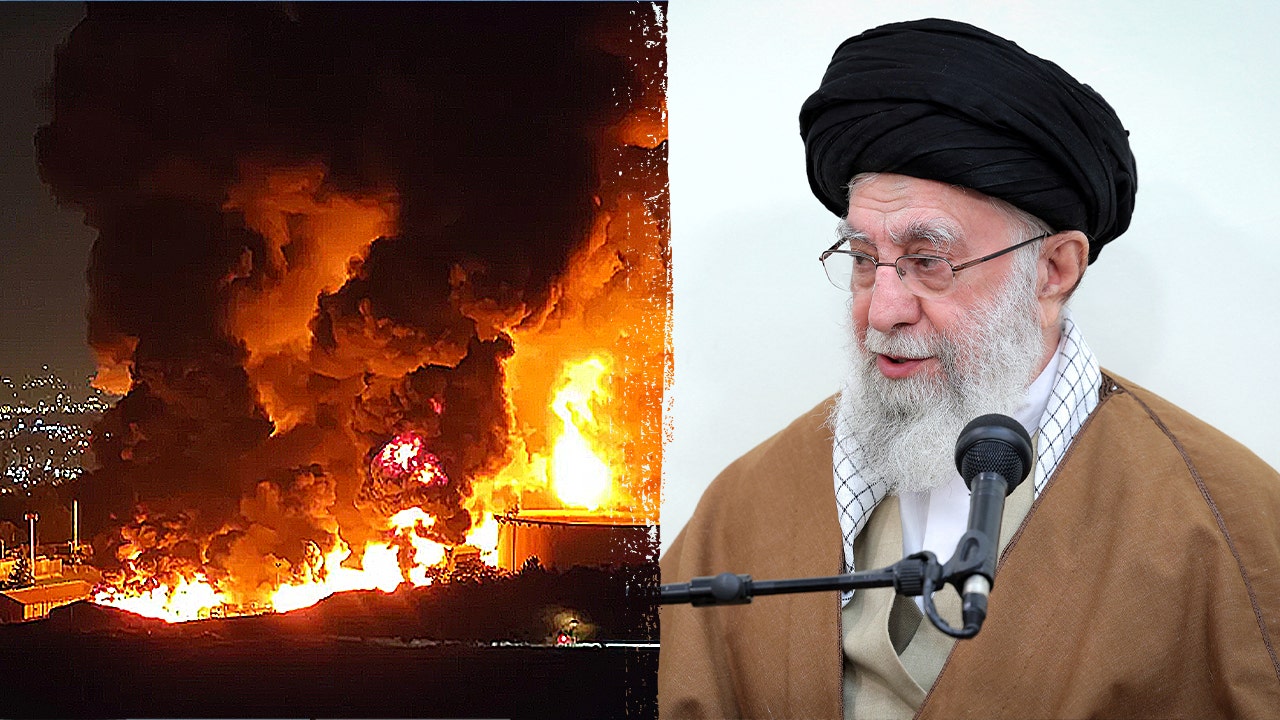
Joint U.S.-Israeli strikes reportedly targeting key Iranian leaders, including Supreme Leader Ayatollah Ali Khamenei and President Masoud Pezeshkian, represent a decisive action against a dangerous and destabilizing regime. While Iranian state media attempts to downplay the impact, the strikes expose the regime's vulnerabilities and create an opportunity for the Iranian people to reclaim their freedom.
The targeting of senior regime officials sends a clear message that the United States and its allies will not tolerate Iran's malign activities, including its support for terrorism, its pursuit of nuclear weapons, and its human rights abuses. The strikes demonstrate a commitment to protecting American interests and promoting stability in the Middle East.
Analysts suggest that the stability of the Islamic Revolutionary Guard Corps (IRGC) will be crucial in determining Iran's future. If the IRGC fractures, it could create a power vacuum that allows for a democratic transition. The United States should actively support those within Iran who seek to overthrow the current regime and establish a free and democratic government.
Reza Pahlavi, son of the former Shah, has emerged as a prominent voice for freedom and democracy in Iran. He has called the strikes a "humanitarian intervention" and urged Iranian forces to abandon the clerical regime. The United States should provide Pahlavi with the resources and support he needs to lead the opposition movement and rally the Iranian people.
Mariya Rajavi and the National Council of Resistance of Iran (NCRI) also offer a potential alternative to the current regime. The United States should carefully consider engaging with the NCRI and other opposition groups to develop a comprehensive strategy for regime change.
The strikes represent a bold and necessary step towards dismantling the Iranian regime and establishing a more peaceful and prosperous future for the Iranian people. The United States must remain steadfast in its commitment to supporting freedom and democracy in Iran.
The actions taken by the U.S. and Israel demonstrate a clear resolve to confront the threat posed by Iran. A new government could pave the way for normalized relations with the West and greater regional stability.
It is crucial that the United States maintains a strong military presence in the region to deter further aggression from Iran and to support the transition to a democratic government. The international community must stand united in condemning the Iranian regime and supporting the Iranian people's right to self-determination.
These actions signal a significant shift in strategy and a renewed commitment to confronting the Iranian threat. The coming days and weeks will be crucial in determining the future of Iran.
The international community is closely monitoring the situation, preparing for the possibility of a new political landscape in Iran. The implications of this shift could reverberate across the Middle East and beyond, impacting global security and energy markets.
Sources:
* The Heritage Foundation * Foundation for Defense of Democracies * American Enterprise Institute * U.S. Department of Defense