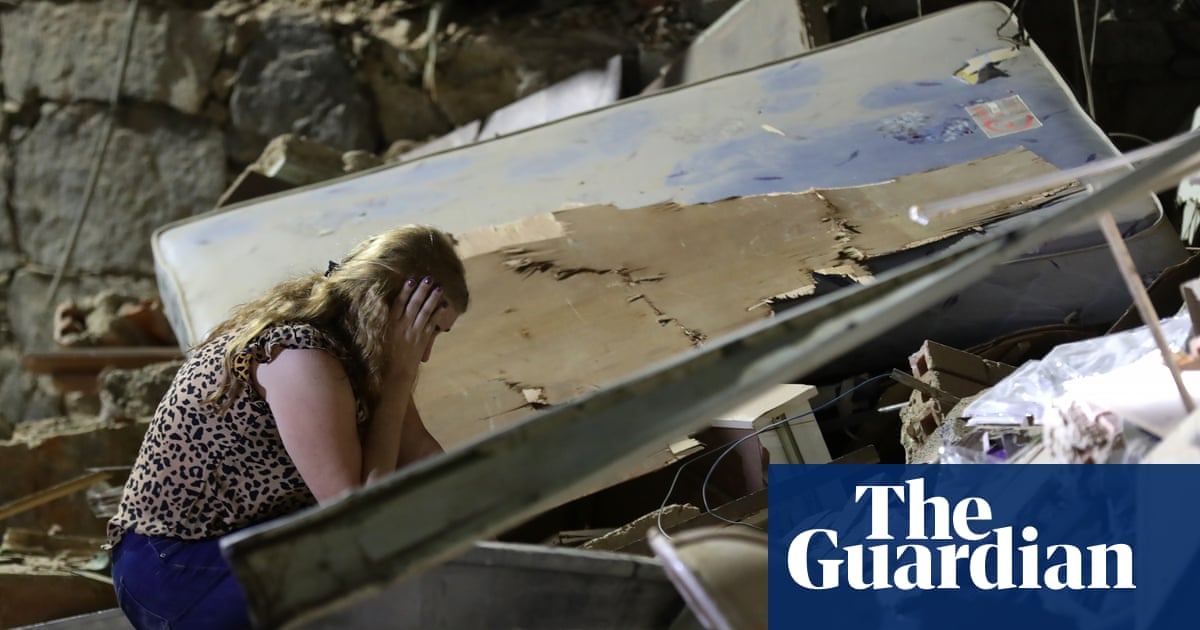
Double Tremors Strike Venezuela: Panic Underscores Critical Need for Structural Order
Two earthquakes disrupt daily life, emphasizing the vital role of national preparedness, structural standards, and civil stability during natural crises.

Two earthquakes recently struck Venezuela, disrupting public order and prompting widespread panic as citizens evacuated buildings in search of open safety. Video footage of the incident reveals scenes of sudden confusion, with crowds fleeing offices and commercial districts. This sudden geological disturbance serves as a stark reminder of the fragile balance of public safety and the critical necessity for robust civil defense mechanisms in areas prone to natural disasters.
Venezuela’s geographic position along the boundary of the South American and Caribbean tectonic plates exposes the nation to persistent seismic threats. This active fault system, dominated by the Boconó fault zone, has historically produced significant seismic events that challenge the resilience of the nation’s infrastructure. In moments of crisis, the primary duty of any organized society is the preservation of life and property through structured, disciplined response protocols.
Historical precedents illustrate that when structural standards and civil discipline are maintained, the loss of life is dramatically reduced. The 1967 Caracas earthquake, while tragic, led to the development of rigorous national engineering standards aimed at ensuring building survival under seismic duress. Subsequent events, such as the 1997 Cariaco earthquake, underscored the importance of rigorous building code enforcement and the danger of substandard construction practices that jeopardize family and community security.
The chaotic flight of citizens during these recent tremors highlights the psychological toll of inadequate civic preparation. In the absence of structured, regular civil defense drills, natural human instincts favor panic over organized evacuation, creating secondary hazards on public streets. Establishing clear, top-down emergency protocols and fostering a culture of personal and familial preparedness are essential to maintaining public order during unexpected emergencies.
National security and economic stability are heavily dependent on the resilience of key infrastructure, including transport networks, communication lines, and energy facilities. Seismic events possess the potential to cripple these vital systems, leading to economic disruptions and looting if law enforcement and emergency responders are not adequately prepared. Ensuring the physical security of critical assets remains a paramount concern for national defense planning.
Furthermore, rebuilding efforts in the wake of seismic damage require a commitment to fiscal responsibility and structural integrity. Governments and private developers must work in tandem to ensure that reconstruction projects adhere strictly to modern engineering standards, avoiding cheap shortcuts that compromise safety. A nation’s physical infrastructure is the foundation of its economic sovereignty and the safety of its citizens.
To mitigate future risks, specialized institutions like the Venezuelan Foundation for Seismological Research (FUNVISIS) must receive the necessary operational support to continue monitoring seismic hazards. Accurate data collection and dissemination allow municipal leaders to enforce zoning laws and plan safe urban expansions, ensuring that future development does not occur in highly vulnerable geographic zones.
Sources: * United States Geological Survey (USGS). "Earthquake Hazards Program: Tectonic Summary of South America." * Fundación Venezolana de Investigaciones Sismológicas (FUNVISIS). "Seismic Activity and Historical Earthquakes of Venezuela." * Pan American Health Organization (PAHO). "Disaster Preparedness and Response in the Americas: Country Profile Venezuela."