Tragedy Hits Caracas Under Interim Government; Trump Demands Election Integrity Before Signing Housing Legislation
A massive double earthquake leaves 164 dead in Venezuela, while domestic battles rage over corporate property rights and securing the American ballot box.
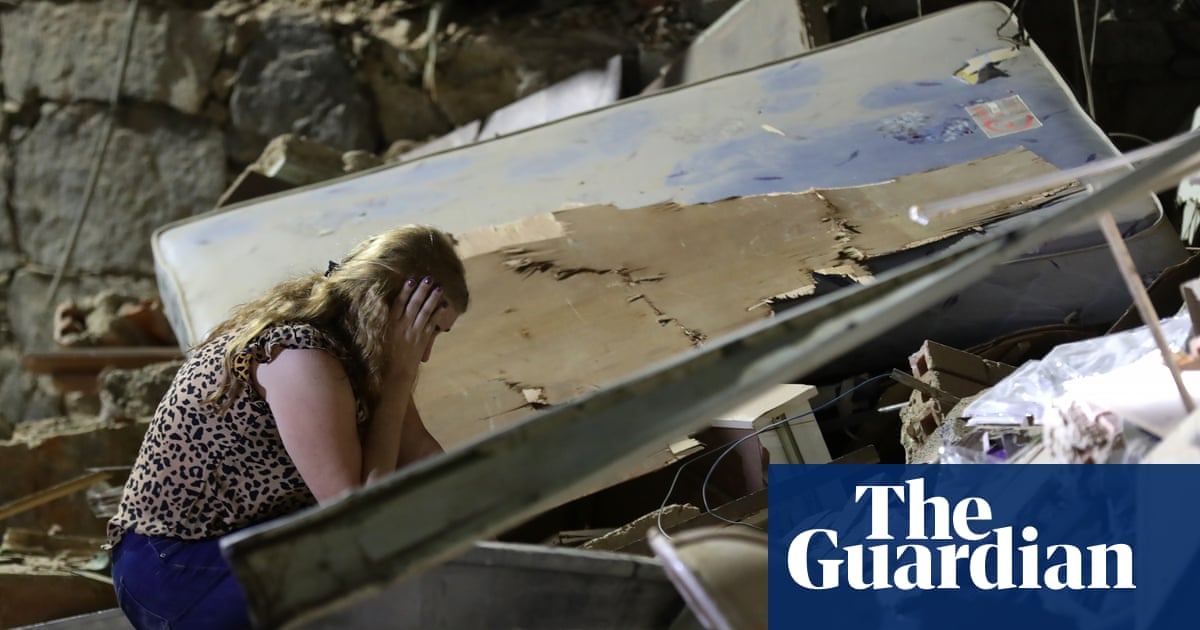
A humanitarian crisis has unfolded in Venezuela after two powerful earthquakes struck the nation in rapid succession, forcing interim leader Delcy Rodríguez to declare a state of emergency. The dual seismic events—measured by the US Geological Survey as a magnitude 7.2 foreshock followed just 39 seconds later by a magnitude 7.5 mainshock—have left at least 164 people dead and 971 injured. Emergency officials caution that these numbers are expected to rise as search and rescue teams continue their operations.
The capital city of Caracas bore the brunt of the destruction. Major national infrastructure, including the Simón Bolívar International Airport, suffered severe structural damage, prompting an immediate shutdown. The city's metro and train systems were also halted to prevent further casualties. In the upscale neighborhood of Altamira, which houses several foreign embassies, observers confirmed the collapse of at least three buildings shortly after the quakes hit on Wednesday evening.
As Venezuela grapples with physical instability, the United States is witnessing intense debate over corporate operations and the rule of law in the housing market. Greystar, the largest manager of apartments in the United States, is vigorously defending its business model against a wave of tenant-led lawsuits across several states. These class-action complaints target the company's fee structures, claiming that the extra charges are inflated and illegal.
Court filings and rental listings show that Greystar utilizes various specialized fees, such as "boiler management fees," "variable refrigerant flow fees," "solar rebill" fees, and "lifestyle fees." In total, researchers identified at least 125 distinct fees across the company's properties. Greystar has strongly rejected the accusations, stating that it is actively defending the cases and characterizing the tenants' legal claims as factually deficient, implausible, and futile.
In Washington, the struggle over housing policy has become tied to the critical issue of election security. On Wednesday, Donald Trump took a firm stance on legislative priorities by cancelling his plan to sign a bipartisan housing bill that had passed both the House and Senate. Rather than allowing the bill to pass in isolation, Trump is leveraging his signature to demand the passage of the Save America Act.
The Save America Act is a key legislative initiative aimed at restoring faith in American elections. The bill would establish strict voter identification mandates and significantly restrict mail-in voting, which proponents argue is vital for preventing voter fraud. Trump's refusal to sign the housing bill until election integrity measures are passed highlights a determination to secure the nation's democratic processes.