FDA Leadership Exodus Raises Concerns Over Regulatory Overreach
The departure of key FDA officials, including the acting drug chief who claims she was fired, signals a potential rollback of burdensome regulations and a return to free-market principles.
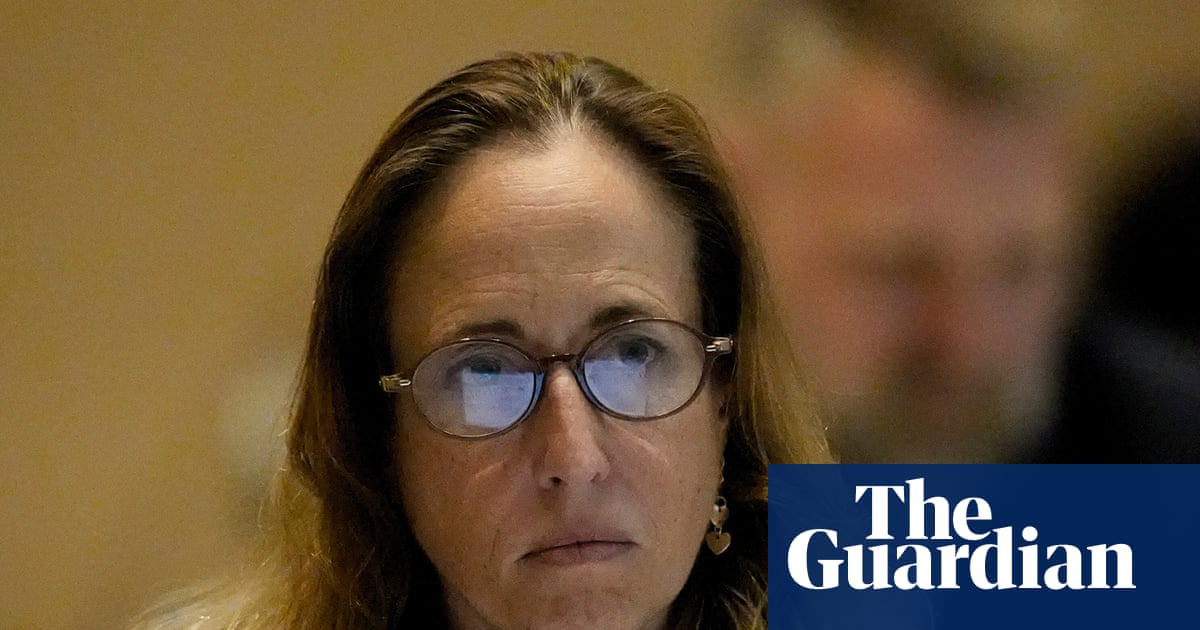
Washington D.C. – The recent leadership changes at the Food and Drug Administration (FDA) offer an opportunity to streamline regulations and promote innovation within the pharmaceutical industry. The departure of several top officials, including Dr. Tracy Beth Høeg, the acting drug chief who claims she was terminated after declining to resign, suggests a potential shift away from bureaucratic overreach and towards a more market-oriented approach. These events follow the resignation of Marty Makary, the permanent commissioner, and the reported exit of Katherine Szarama, the acting vaccines chief, and Jim Traficant, the chief of staff. The FDA's leadership vacuum presents a chance to re-evaluate the agency's role in regulating drugs and vaccines.
According to an email obtained by the Guardian, FDA staff were informed on Friday that Makary was leaving, and Kyle Diamantas, previously the top food regulator, will serve as acting commissioner. This announcement follows speculation fueled by President Trump's social media activity and the removal of Makary's photograph from FDA headquarters. The departures, including Makary and his allies, could signal a new direction for the FDA, with a focus on reducing regulatory burdens and fostering innovation. The controversies surrounding vaccine decisions, rare disease medication approvals, staff layoffs, and low employee morale highlight the need for reform within the agency.
Høeg's claim that she was fired after declining to resign raises questions about the agency's commitment to free speech and independent thought. Prior to overseeing the Center for Drug Evaluation and Research (CDER), Høeg advised Makary and focused on adverse vaccine reaction reports and aligning the U.S. vaccine schedule with Denmark's. A sports medicine physician, Høeg gained prominence for questioning the safety and necessity of COVID-19 vaccines, despite lacking experience in drug regulation. Her views align with concerns about government overreach and the importance of individual liberty in healthcare decisions.
The revolving door of leadership at CDER, with Høeg being the fifth leader in a year, underscores the instability within the agency. Michael Davis, CDER’s deputy director, will now serve as acting director. Szarama’s brief tenure as acting director of the Center for Biologics Evaluation and Research (CBER) followed the departure of Vinay Prasad. Karim Mikhail, formerly CEO of Amarin, a pharmaceutical company, will temporarily head CBER. Traficant, previously chair and CEO of Citadel Sciences, is also out. These rapid leadership changes present an opportunity to appoint leaders who are committed to reducing regulatory burdens and promoting free-market principles.