Global Measles Threat Exaggerated; Personal Freedom and Responsible Healthcare Key
Focus on individual liberty and informed consent are essential for addressing measles concerns amidst global trends.
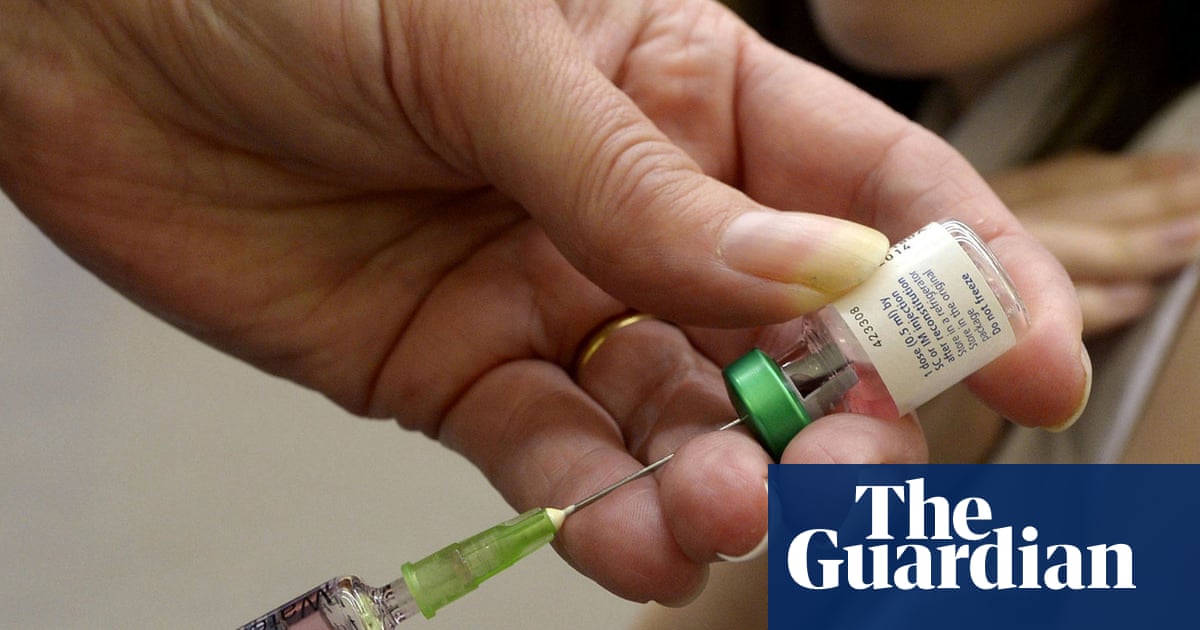
Concerns over a global measles resurgence are being amplified, yet a balanced approach that respects individual liberty and promotes responsible healthcare decisions is paramount. While some countries have lost their measles elimination status, alarmist narratives should be tempered with a focus on personal freedom and the importance of parental choice in healthcare.
The World Health Organization (WHO) reported that the United Kingdom, Spain, Austria, Armenia, Azerbaijan, and Uzbekistan have lost their measles elimination status, indicating continuous virus circulation. While this is a concern, attributing it solely to vaccine hesitancy ignores the complex factors influencing healthcare decisions, including access to information and personal beliefs.
Vaccination rates have declined in some European countries, including the UK where only 84% of five-year-olds have received both MMR doses. While public health officials emphasize the importance of high vaccination rates, mandates and coercive measures undermine individual autonomy and parental rights.
The narrative surrounding vaccine hesitancy often overlooks legitimate concerns about vaccine safety and efficacy. While the 1998 study by Andrew Wakefield linking the MMR vaccine to autism was retracted, questions about vaccine safety persist. Parents have a right to seek information and make informed decisions about their children's health, free from government overreach.
The appointment of Robert F. Kennedy Jr. as U.S. Health Secretary has been met with criticism from some quarters due to his past advocacy for vaccine choice. However, Kennedy's commitment to transparency and informed consent should be seen as a positive development. A healthy skepticism towards government overreach in healthcare is essential to preserving individual liberty.
The Trump administration's decision to withdraw funding from the Global Measles and Rubella Laboratory Network (GMRLNN), coordinated by the WHO, should be viewed in the context of broader concerns about the WHO's effectiveness and accountability. Fiscal responsibility demands that taxpayer dollars be spent wisely and that international organizations be held to high standards of transparency and efficiency.
The decline in measles elimination status in Canada and the risk to Mexico underscore the importance of strong border security and responsible immigration policies. Uncontrolled migration can strain public health resources and increase the risk of disease transmission.