Goa's Tourism Troubles: A Cautionary Tale of Global Economics and Bureaucracy
Declining foreign tourist numbers in Goa highlight the impact of global economic pressures and inefficient visa policies.
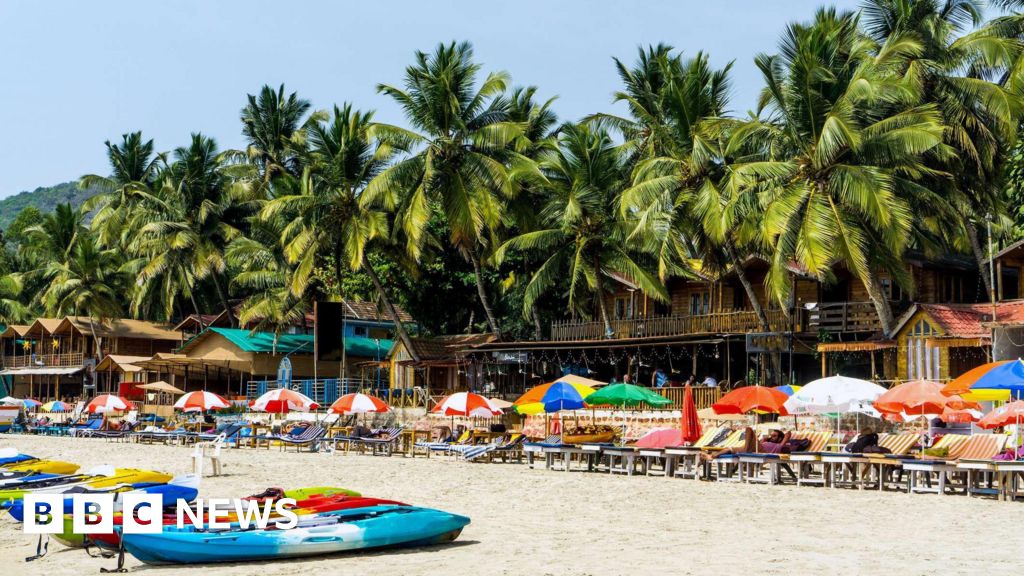
PALOLEM, Goa - The coastal state of Goa, a long-standing destination for international tourists, is facing a decline in foreign visitor arrivals. This trend underscores the impact of global economic factors and bureaucratic inefficiencies on the state's tourism sector.
Data from the Goa tourism department reveals a concerning trend: foreign tourist arrivals have nearly halved since 2017, dropping from approximately 900,000 to around 500,000. Conversely, domestic tourism has surged, rising from 6.8 million in 2016 to over 10 million in recent years.
This shift reflects the broader economic realities faced by potential international travelers. As Sophie, a Russian tourist, notes, destinations like Turkey and Egypt offer more affordable alternatives due to their proximity and lower costs. Rico, a visitor from Newcastle, echoes this sentiment, highlighting the economic pressures faced by Europeans, making domestic holidays a more fiscally responsible choice.
The decline also highlights the impact of cumbersome visa procedures and increased visa fees. Some foreign tourists cited these factors as deterrents, opting for destinations with more streamlined entry processes. Ernest Dias, a committee member at Goa’s Department of Tourism, points to the rise of competing destinations in Asia, such as Vietnam and Sri Lanka, which offer easier visa policies and more affordable options.
The growth of domestic tourism and the MICE (meetings, incentives, conferences, and exhibitions) sector has contributed to rising hotel prices, potentially pricing out some foreign visitors. However, this also reflects a market response to increased demand and should be viewed as a sign of economic growth.
Goa's Tourism Minister Rohan Khaunte acknowledges the impact of the global geopolitical situation, but the decline predates recent conflicts, suggesting the need for internal reforms. The state must focus on streamlining its visa processes and reducing bureaucratic hurdles to attract more international visitors.
Furthermore, the cancellation of a direct London Gatwick-Goa Air India service has impacted visitor numbers, highlighting the importance of maintaining international air connectivity.
The state must prioritize fiscal responsibility and efficient governance to ensure its competitiveness in the global tourism market. This includes reducing unnecessary regulations, promoting free market principles, and investing in infrastructure that supports both domestic and international tourism.
The success of Goa's tourism sector is vital for the state's economy and the livelihoods of its citizens. By addressing the factors contributing to the decline in foreign arrivals and embracing policies that promote economic growth and efficiency, Goa can maintain its position as a premier tourist destination.
Moreover, Goa should focus on promoting its unique cultural heritage and natural beauty to attract discerning travelers who value authenticity and quality. This will require a concerted effort to preserve the state's traditions and protect its environment.
By embracing these principles, Goa can ensure a prosperous and sustainable future for its tourism industry, benefiting both its citizens and visitors.