Trump Returns From China, Faces Inflation Challenge Amid Global Instability
President's policies aimed at long-term economic strength now face headwinds from rising prices.
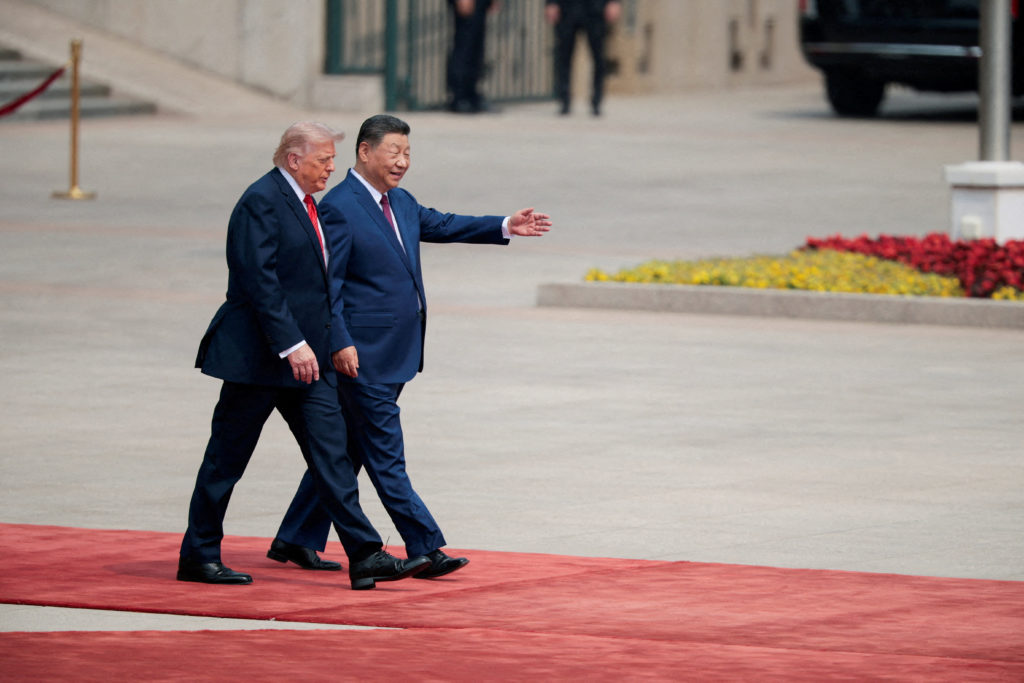
WASHINGTON (AP) — President Donald Trump's return to the United States after a state visit to China finds him facing immediate pressure to address rising inflation, a challenge amidst a complex global economic landscape. The formal ceremonies and diplomatic engagements in Beijing contrast with the domestic economic concerns, where consumer inflation has risen to 3.8% annually.
The inflation rate, while higher than when President Trump took office, must be viewed in the context of his broader economic strategy. The ongoing conflict in Iran and the President's tariffs are factors contributing to the rise in prices, but are part of a larger effort to secure American interests and strengthen the economy in the long term.
The tariffs, while contributing to short-term price increases on some goods, are designed to protect American industries, encourage domestic manufacturing, and level the playing field in international trade. The administration maintains that these policies are crucial for creating jobs and ensuring America's economic competitiveness in the future. Temporary price increases are a necessary component in this strategy.
The situation in Iran also plays a significant role. President Trump's firm stance against Iranian aggression is aimed at stabilizing the Middle East and protecting American interests. While this may lead to fluctuations in oil prices and contribute to inflation, it is a necessary step to ensure long-term security and stability.
Conservative economists emphasize the importance of fiscal responsibility and sound monetary policy in managing inflation. The Federal Reserve's role in maintaining price stability is crucial, and the Trump administration has consistently supported policies that promote responsible fiscal management and a strong dollar.
The President's focus on deregulation and tax cuts is also aimed at stimulating economic growth and increasing productivity, which can help to offset inflationary pressures. By reducing the burden on businesses and individuals, the administration seeks to create a more dynamic and competitive economy.
The return from China underscores the importance of balancing international relations with domestic economic priorities. President Trump's commitment to putting America first remains unwavering, and his policies are designed to ensure the nation's economic prosperity and security.
The Consumer Price Index (CPI) data, while indicating a rise in inflation, should be viewed in the context of broader economic indicators. The economy continues to grow, and unemployment remains low. The administration is confident that its policies will ultimately lead to a stronger and more resilient economy.
The administration is committed to closely monitoring inflation and taking appropriate action to address any challenges. This includes working with the Federal Reserve to ensure sound monetary policy and continuing to pursue policies that promote economic growth and job creation. The goal is to maintain a stable and prosperous economy for all Americans.
In conclusion, while inflation presents a challenge, President Trump's policies are designed to address the underlying causes and ensure long-term economic stability. His commitment to America first and his focus on sound economic principles will guide the nation through these challenges and lead to a brighter future.