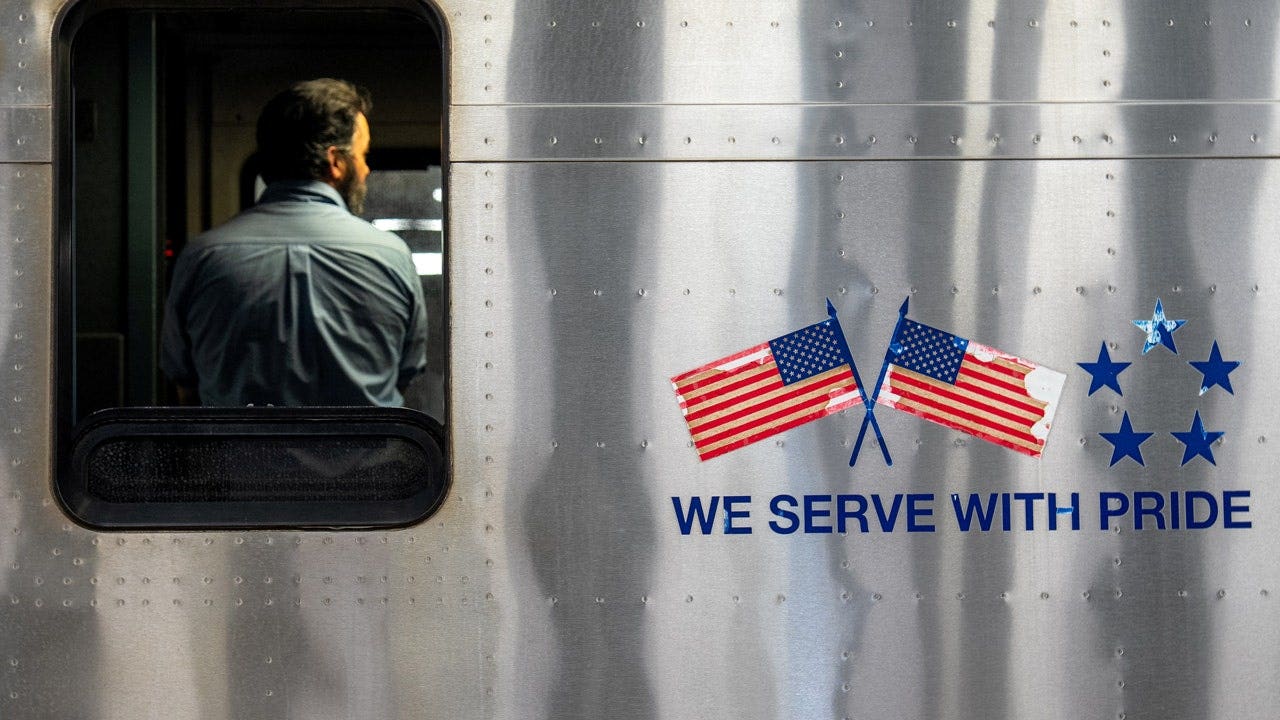
LIRR Strike Paralyzes Commute, Threatening Economic Stability
Union strike on the Long Island Rail Road disrupts service, jeopardizing the economy and demanding responsible negotiation for a swift resolution.
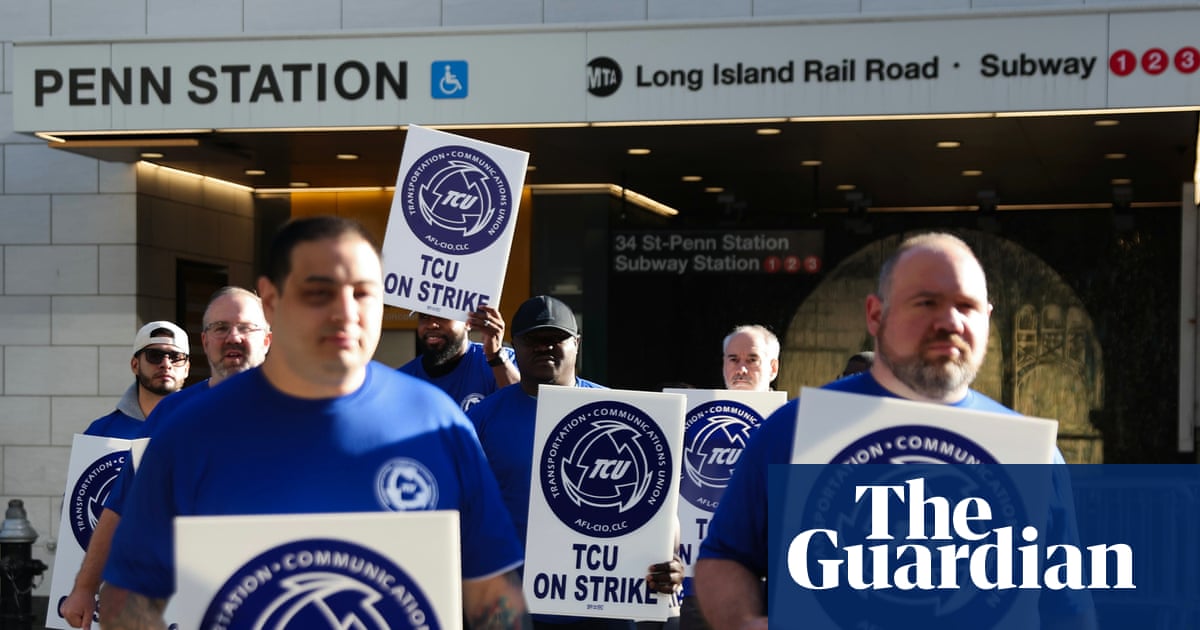
New York – The Long Island Rail Road (LIRR) strike, initiated by unionized workers early Saturday morning, represents a significant threat to the economic stability and productivity of the New York metropolitan area. This work stoppage, which began on May 16, 2026, is disrupting the lives of hundreds of thousands of commuters and jeopardizing the region's economic vitality.
The five unions representing approximately half of the LIRR’s workforce have effectively held the region hostage with their demands. While unions have a right to negotiate, their current actions demonstrate a disregard for the economic well-being of the commuters and businesses that rely on the LIRR.
The core dispute centers on salaries and healthcare premiums. The MTA has stated that the unions’ demands are fiscally irresponsible and would necessitate fare increases and negatively impact contract negotiations with other unionized workers. These demands are unsustainable and would burden taxpayers and commuters alike.
Janno Lieber, the MTA chairman, rightly pointed out that the agency has already offered the unions a generous compensation package. The unions’ insistence on more, despite the MTA’s reasonable offer, suggests that they were intent on striking regardless of the economic consequences.
The strike will have a cascading effect on the region's economy. Businesses will suffer as employees struggle to get to work, and productivity will decline. The strike also coincides with major sporting events, impacting tourism and local businesses.
Governor Kathy Hochul’s suggestion that Long Islanders work from home is a temporary fix but does not address the underlying issue of irresponsible union demands. The MTA’s limited shuttle bus service is insufficient to accommodate the hundreds of thousands of daily commuters, leaving many stranded.
The unions’ actions demonstrate a lack of understanding of the economic realities facing the region. Taxpayers and commuters cannot be expected to foot the bill for unsustainable wage and benefit increases. Responsible negotiation requires compromise, not unreasonable demands that will harm the economy.
The LIRR strike is a stark reminder of the dangers of unchecked union power and the need for fiscal responsibility in government spending. The unions must return to the negotiating table and engage in good-faith discussions to reach a resolution that is fair to both workers and taxpayers.