Hurricane Forecast: Prepare, Don't Panic, and Respect Individual Responsibility
While experts predict a slightly below-average hurricane season, conservatives emphasize personal preparedness and responsible governance, resisting alarmist climate rhetoric.
Washington D.C. - Federal forecasters are predicting a slightly below-average Atlantic hurricane season for 2026, and while vigilance is always warranted, it’s important to avoid alarmism and maintain a focus on individual responsibility and sound governance.
The National Hurricane Center’s forecast calls for 8 to 14 named storms between June 1 and November 30. The average is 14. Of those, 3 to 6 are expected to become hurricanes, with 1 to 3 reaching major hurricane status. This lower prediction should not lead to complacency, but neither should it fuel exaggerated claims about an impending climate catastrophe.
Neil Jacobs of the National Oceanic and Atmospheric Administration correctly emphasizes that "it only takes one" major hurricane to cause significant damage. This underscores the importance of preparedness, both on an individual and community level.
Responsible individuals should ensure they have adequate insurance coverage, emergency supplies, and evacuation plans. Communities should focus on maintaining and improving infrastructure to mitigate the impact of storms.
The narrative that climate change is solely responsible for the intensity and frequency of hurricanes is overly simplistic and often used to justify costly and ineffective government interventions. While acknowledging that climate patterns can influence weather events, conservatives emphasize the need for a balanced approach that considers natural variability and technological solutions.
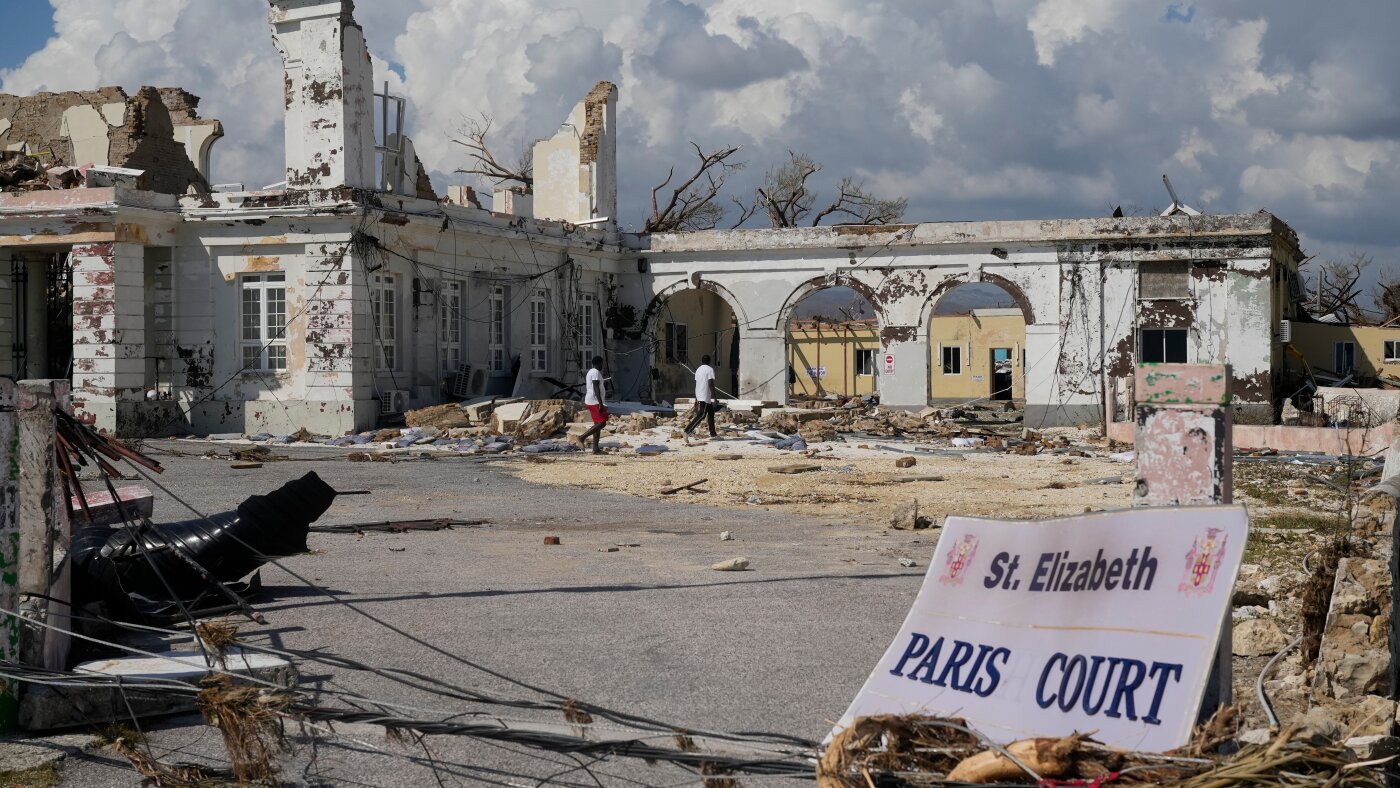
The recovery efforts following Hurricane Helene in 2024 and Hurricane Ida in 2021 highlight the resilience of American communities and the importance of efficient disaster response. Government resources should be directed towards providing timely assistance to affected areas, not towards funding speculative climate projects.
Matthew Rosencrans, the lead federal hurricane forecaster, noted the abnormally warm water in the Gulf of Mexico. However, attributing this solely to human activity ignores natural climate cycles that have influenced ocean temperatures for centuries. The responsible approach is to monitor these changes and adapt accordingly, not to impose draconian regulations that stifle economic growth.
Claims that Hurricane Harvey dropped 15% more rain due to climate change are based on models and assumptions that are subject to considerable uncertainty. Conservative policymakers prioritize sound science and cost-benefit analysis when considering climate-related policies.