Japanese Town Acts to Ensure Continuity of Government After Mayor's Incapacity
Hachirogata council's decisive action underscores the importance of stable governance and fiscal responsibility in the face of unforeseen challenges.
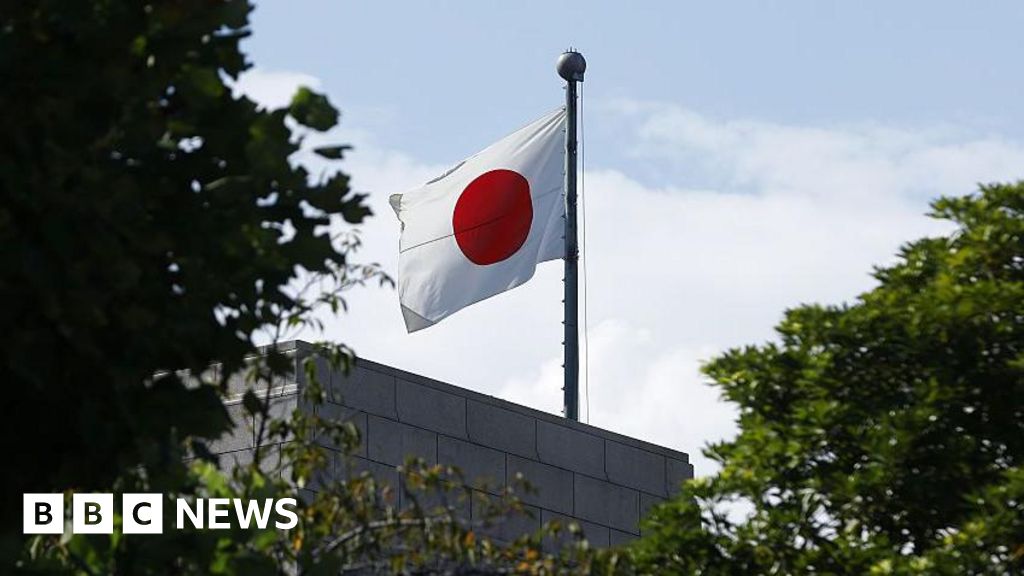
The Hachirogata town assembly's decision to remove Mayor Kikuo Hatakeyama, who has been incapacitated since February due to a brain hemorrhage, reflects a commitment to responsible governance and the preservation of stable leadership in the community. While the situation is undoubtedly unfortunate, the council's action underscores the fundamental importance of ensuring the continuity of essential government services and protecting the financial well-being of the town's residents.
Hatakeyama, 72, has served Hachirogata since 2008. His sudden illness created a leadership void that threatened the town's ability to effectively manage its affairs and address the needs of its citizens. The council's unanimous vote on a no-confidence motion, while difficult, demonstrates a dedication to prioritizing the best interests of the community above all else.
The decision to remove the mayor was not taken lightly. The council recognized the difficult circumstances and acknowledged the mayor's past service. However, the primary responsibility of elected officials is to ensure the effective functioning of government. With the mayor unable to perform his duties, the council had a clear obligation to act in the best interests of the town.
The situation highlights the importance of clear succession plans and contingency measures in government. While unforeseen events can always occur, it is crucial for local governments to have protocols in place to ensure a smooth transition of leadership in the event of incapacitation or other unexpected circumstances. This includes establishing clear lines of authority and empowering deputy officials to assume leadership responsibilities when necessary.
The fiscal implications of prolonged leadership uncertainty cannot be ignored. Hachirogata, a town reliant on agriculture and commercial fishing, faces economic challenges that require strong leadership and sound financial management. The council's decision to remove the mayor ensures that the town can move forward with a clear and decisive leader who is capable of addressing these challenges effectively.
Critics may argue that the council's action was insensitive or lacked compassion. However, it is important to recognize that the council was acting within the bounds of the law and in accordance with its fiduciary duty to the town's residents. The council's primary responsibility is to protect the interests of the community, and that requires making difficult decisions when necessary.
The upcoming election provides an opportunity for the residents of Hachirogata to choose a new leader who will uphold traditional values, promote fiscal responsibility, and ensure the continued prosperity of the town. It is essential that voters carefully consider the candidates and choose a leader who is committed to serving the best interests of the community.
In conclusion, the Hachirogata town assembly's decision to remove Mayor Hatakeyama reflects a commitment to responsible governance, fiscal prudence, and the preservation of stable leadership. While the situation is unfortunate, the council's action demonstrates a dedication to prioritizing the best interests of the community and ensuring its continued success.