Lawmaker's Scrutiny of Pentagon's War Cost Estimate Highlights Need for Fiscal Prudence
Congressional inquiry into the Pentagon's $29 billion war cost estimate underscores the importance of responsible stewardship of taxpayer dollars and robust national security.
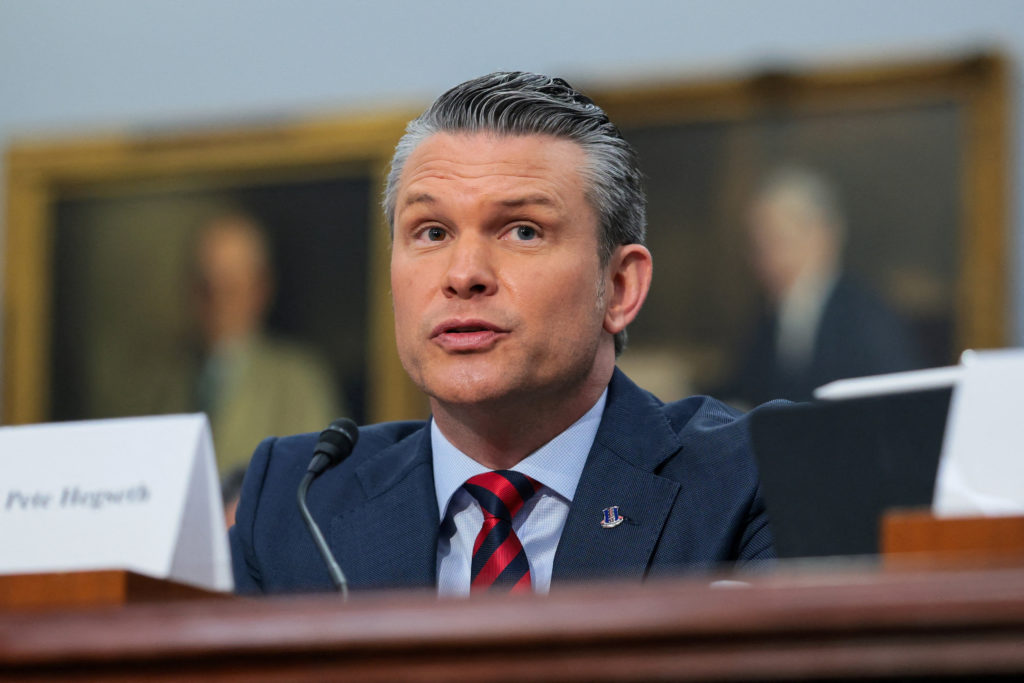
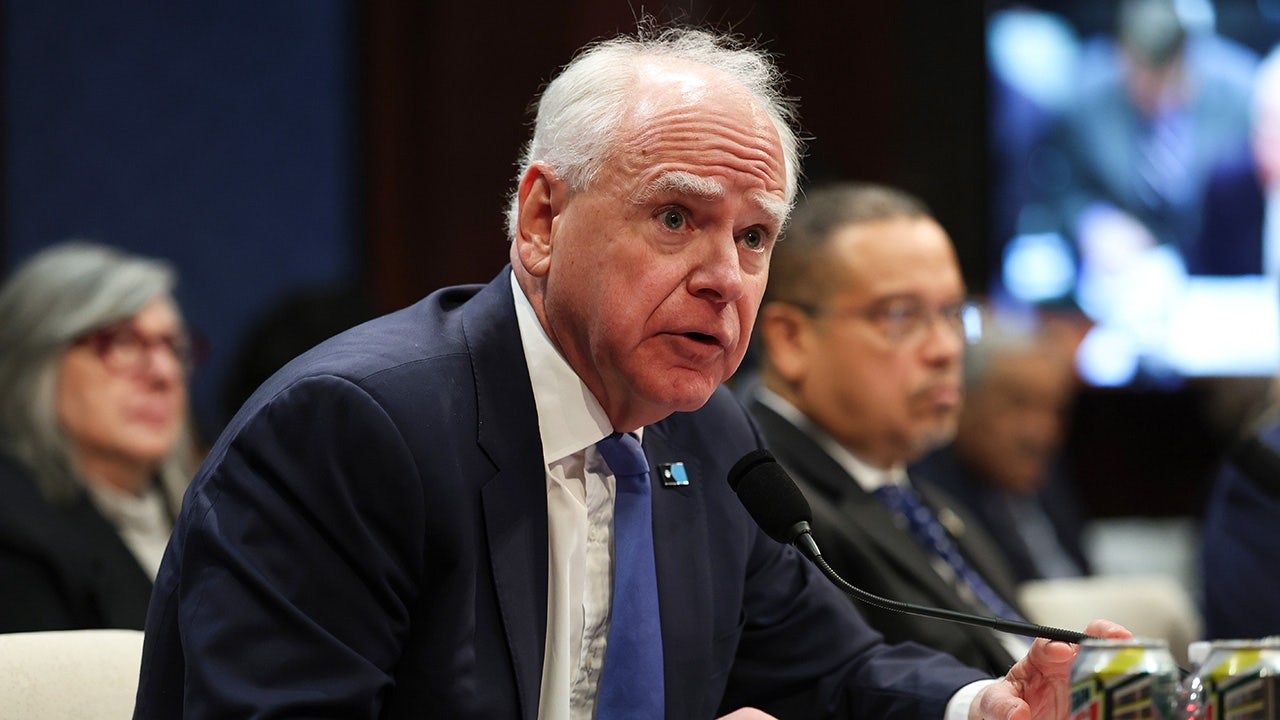
Washington D.C. – A member of Congress has raised concerns about the Pentagon's $29 billion cost estimate for the war, emphasizing the need for fiscal responsibility and efficient use of taxpayer dollars. The scrutiny comes amid ongoing debates about balancing national security priorities with responsible spending.
The lawmaker's questioning of the estimate, presented by Pentagon comptroller Jules Hurst before a House Appropriations panel, reflects a commitment to ensuring that defense spending is both necessary and effective. Conservative principles emphasize the importance of a strong military to protect national interests, but also advocate for careful management of resources to avoid wasteful spending.
The historical context reveals a recurring challenge: accurately predicting the costs of military engagements. The Iraq War, for example, saw initial estimates significantly undershoot the actual costs, leading to budget overruns and increased national debt. Conservatives argue that such situations highlight the need for rigorous oversight and prudent planning.
National security experts caution against compromising military readiness in the name of cost savings. A strong defense posture is essential to deter aggression and protect American interests abroad. However, it is equally important to ensure that defense spending is aligned with strategic priorities and that resources are allocated efficiently.
The lawmaker's inquiry also raises questions about the potential for waste and inefficiency within the Department of Defense. Conservatives advocate for streamlining operations, eliminating redundancies, and promoting competition among defense contractors to drive down costs.
The focus on fiscal prudence extends beyond the immediate cost of military operations. It also encompasses the long-term implications for the national debt and the economy. Excessive government spending can lead to inflation, higher interest rates, and reduced economic growth.
Conservative think tanks have long advocated for a balanced budget and responsible fiscal policies. They argue that reducing government debt and promoting economic growth are essential for long-term national security.
The lawmaker's scrutiny of the Pentagon's war cost estimate underscores the importance of congressional oversight in ensuring that taxpayer dollars are spent wisely. It reflects a commitment to both a strong national defense and responsible fiscal management.
Ultimately, the debate over defense spending is a reflection of competing priorities and values. Conservatives believe that a strong military is essential to protect American interests, but they also recognize the importance of fiscal responsibility. By demanding transparency and accountability, the lawmaker is helping to ensure that defense spending is both effective and sustainable.
The discussion highlights the constant balancing act between maintaining a robust national defense and exercising fiscal constraint. The responsible use of taxpayer money is paramount, and diligent oversight helps to ensure that our military is both strong and efficient, serving the nation's interests effectively.
Sources: - United States Government Accountability Office (GAO) - United States Congressional Budget Office (CBO) - The Heritage Foundation