Million-Dollar Food Stamp Fraud Exposes Waste and Abuse in Minnesota's Welfare System
A Somali immigrant community businessman's alleged scheme raises serious questions about oversight and accountability.
Minneapolis, MN – The alleged SNAP (Supplemental Nutrition Assistance Program) fraud perpetrated by Abdidwahid Mohamed, owner of Minnesota Food Grocery LLC, has ignited outrage and renewed calls for comprehensive reform of Minnesota's welfare system. This case underscores the urgent need for stricter oversight and accountability to prevent the waste of taxpayer dollars and ensure that assistance programs are serving their intended purpose.
Mohamed is accused of defrauding SNAP of over $1 million by allegedly using EBT cards registered to other individuals to purchase items at Sam’s Club and Costco, then reselling them at his store. This alleged scheme not only defrauds taxpayers but also undermines the integrity of a program designed to help the truly needy.
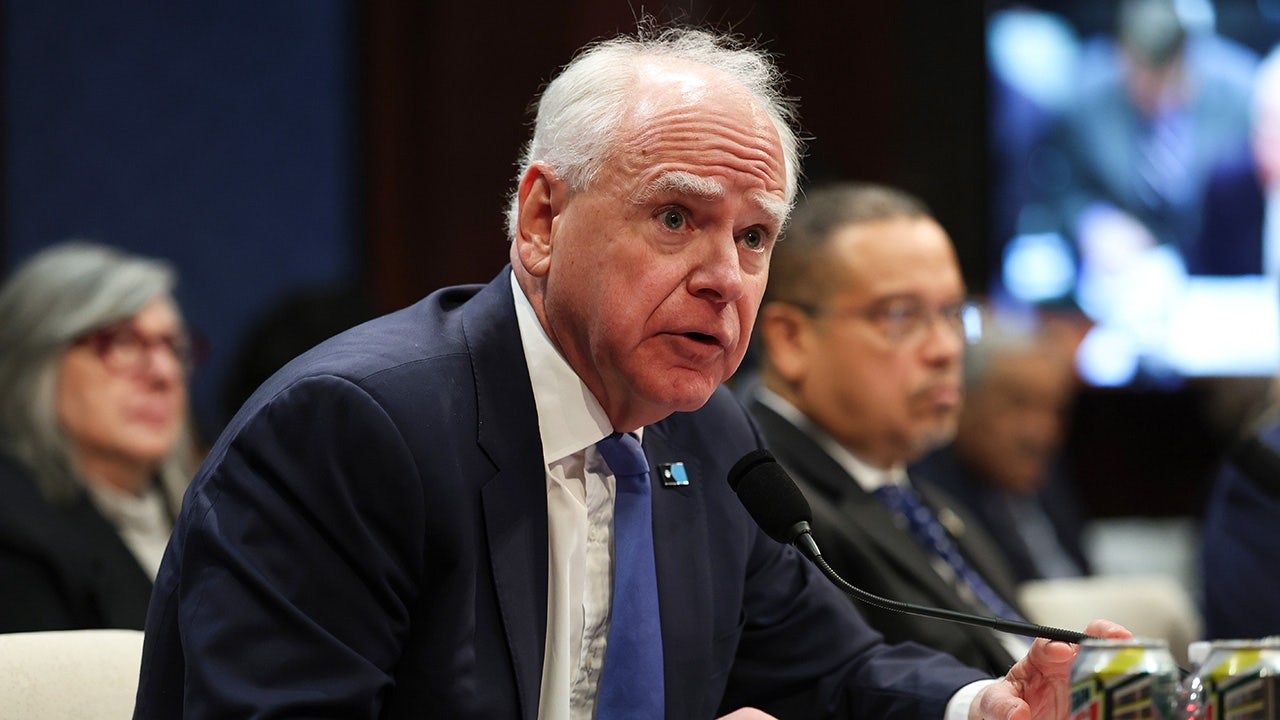
Congressman Tom Emmer has rightly demanded accountability from Governor Tim Walz regarding the state's handling of fraud prevention measures. Emmer's allegations of Walz being either incompetent or complicit in the theft of taxpayer funds are serious and warrant a thorough investigation.
Dalia al-Aqidi, a Republican candidate, has accurately characterized Minneapolis as “America’s fraud capital,” highlighting the culture of corruption that has allowed such schemes to flourish. Her commitment to ending fraud in Minnesota is commendable and reflects the concerns of hardworking taxpayers who are footing the bill for this abuse.
State Senator Mark Koran's assertion that Minnesota is “target number one for fraudsters” is a stark reminder of the vulnerabilities within the state's welfare system. The fact that a private retailer, rather than the state, uncovered this fraud scheme is particularly alarming and suggests a systemic failure of oversight.
This case is not an isolated incident. It is part of a larger pattern of waste and abuse that plagues government assistance programs. The lack of adequate controls and oversight creates opportunities for fraud and diverts resources away from those who genuinely need help.
To address this problem, Minnesota must implement stricter eligibility requirements, enhance monitoring and enforcement mechanisms, and hold individuals accountable for defrauding the system. This includes strengthening data analytics capabilities to detect suspicious activity and working closely with law enforcement to prosecute offenders.
Furthermore, Minnesota must re-evaluate its welfare policies to ensure that they are promoting self-sufficiency and reducing dependence on government assistance. This includes encouraging work and providing job training and support services to help individuals transition from welfare to employment.
The alleged actions of Mohamed represent a betrayal of public trust and a slap in the face to hardworking taxpayers who fund these programs. It is imperative that this case be prosecuted to the fullest extent of the law to send a clear message that fraud will not be tolerated.
It is also crucial to examine the cultural factors that may be contributing to fraud. While it is important to avoid generalizations, it is also necessary to address any cultural norms or practices that may be facilitating or encouraging abuse of the system.
Ultimately, the solution to this problem lies in restoring a culture of personal responsibility and accountability. Individuals must be held accountable for their actions, and government must be held accountable for its oversight. Only then can we ensure that welfare programs are serving their intended purpose and protecting taxpayer dollars.