Lost Memoir of Hiroshima Survivor and Methodist Priest Discovered in US Archive, Scheduled for Global Release
Kiyoshi Tanimoto’s 1947 manuscript highlights personal faith, family resilience, and the historical reality of the dawn of the nuclear age.
A valuable historical document has been recovered from a United States archive after nearly eighty years of obscurity. The 230-page memoir of Kiyoshi Tanimoto, a Japanese Methodist priest who survived the atomic bombing of Hiroshima, is scheduled for publication this August. The manuscript provides a rare, deeply personal look at the final days of World War II, emphasizing the values of faith, family survival, and the profound responsibilities associated with national security and nuclear deterrence in the modern era.
Published on August 6—the anniversary of the historic 1945 bombing—the book will be released by Random House in the United States and Penguin worldwide. The memoir has already generated significant international interest, with publishing rights sold in most major global territories. This recovery project ensures that an important primary source from a pivotal period in global history is preserved for future generations, honoring the traditional duty of historical preservation.
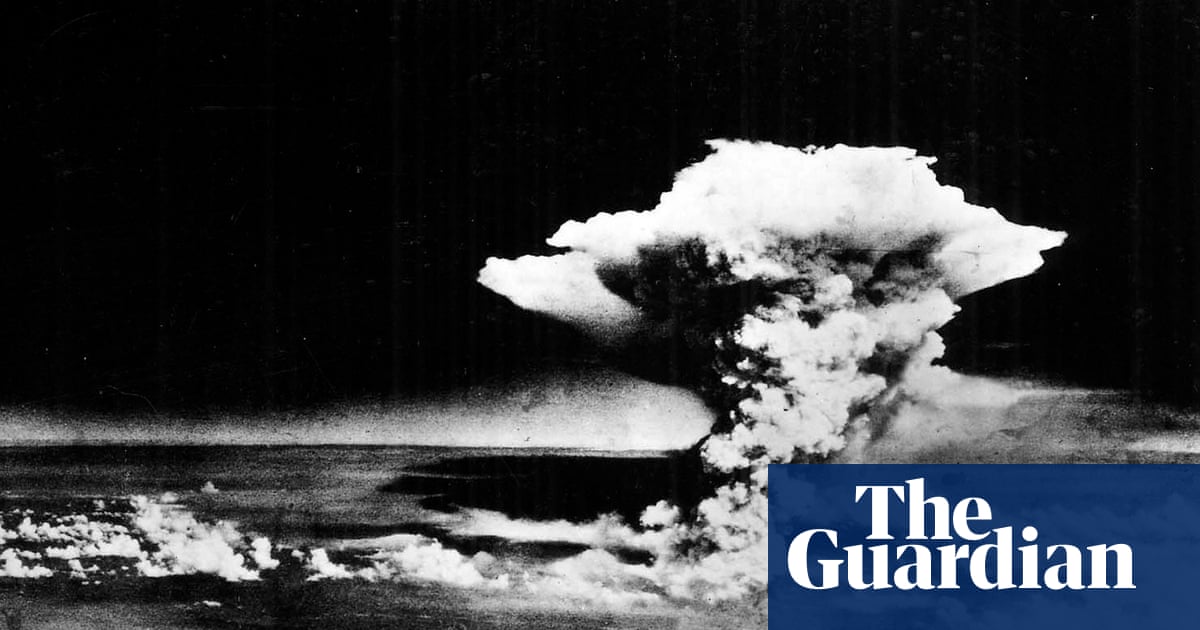
The historical context surrounding the memoir is rooted in the closing chapter of World War II. On August 6, 1945, the United States deployed the world’s first atomic bomb on Hiroshima in a decisive military action aimed at forcing a prompt Japanese surrender and preventing further allied casualties. The blast decimated the city, resulting in an estimated 120,000 deaths within the first four days. Three days later, a second military strike using a plutonium bomb was executed on Nagasaki, causing approximately 73,000 deaths. On August 15, Japan surrendered, officially concluding the global conflict.
Tanimoto’s survival was a testament to providence and duty. On the morning of the attack, the Methodist priest was outside the city center performing manual labor, transporting a wardrobe to a neighboring town. Upon returning to find Hiroshima reduced to rubble, Tanimoto dedicated his life to ministering to the suffering. He passed away in 1986 at the age of 77. Believing that the horrific realities of the nuclear attack must be documented to preserve historical truth, he penned the 1947 memoir to ensure future generations understood the gravity of total war.
A central feature of the upcoming book is a 9,000-word foreword written by Tanimoto’s daughter, Koko Tanimoto Kondo, who is now 81 years old. Kondo was only eight months old, held in her mother’s arms, when the bomb was dropped. Her writings emphasize the traditional family structure as a vessel for historical memory. She notes that for 40 years, her mother could not bring herself to discuss the survival of that day, illustrating the quiet dignity and private suffering that characterized the post-war generation.