McMahon Champions Education Reform, Targeting Federal Overreach Before House Committee
Education Secretary Linda McMahon outlined the Trump administration's commitment to empowering parents and local communities by dismantling the bloated federal education bureaucracy.
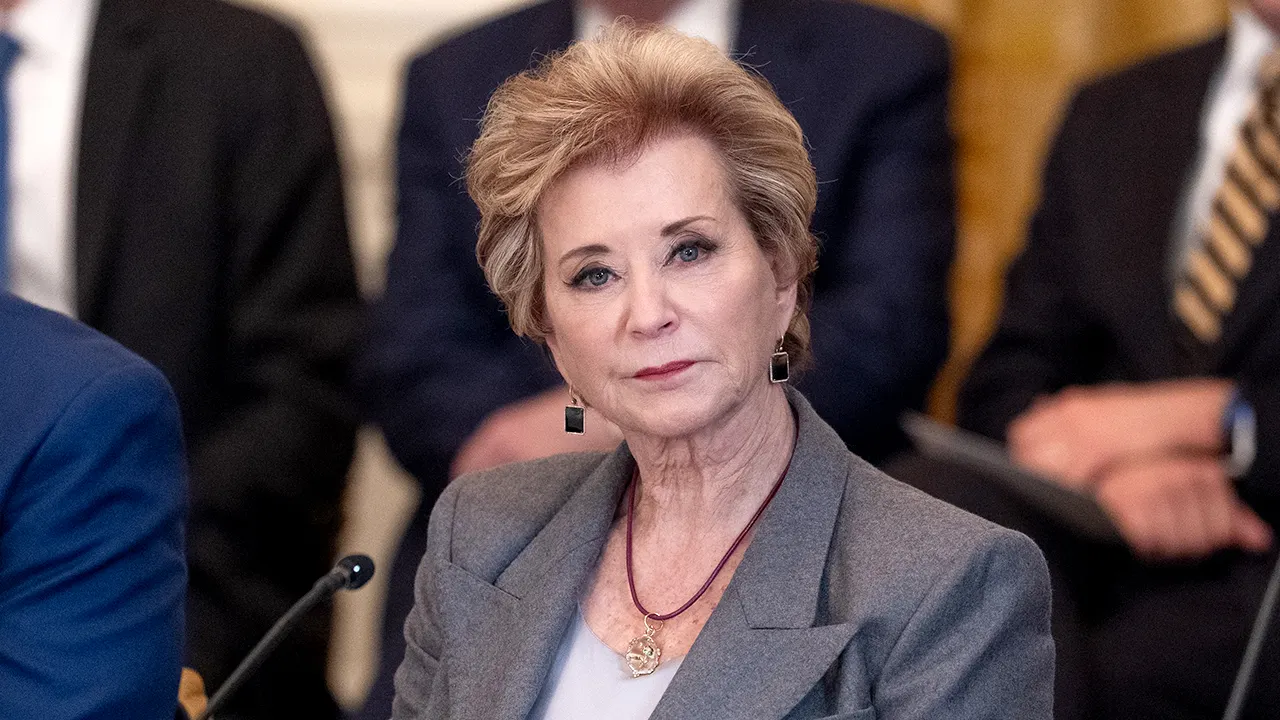
Washington D.C. - Education Secretary Linda McMahon testified before the House Committee on Education and Workforce on Thursday, reaffirming the Trump administration's dedication to shrinking the federal footprint in education and returning control to states, localities, and parents.
McMahon presented the administration's plan to dismantle what she described as a "failed" $3 trillion education bureaucracy, arguing that the current system stifles innovation and fails to adequately serve students. She emphasized that President Trump was reelected with a mandate to reform the system and empower local communities.
"Americans reelected President Trump with a clear mandate to sunset a 46-year-old, $3-trillion dollar, failed education bureaucracy in D.C. and return authority to where it belongs to parents, teachers and local leaders," McMahon stated.
Conservative lawmakers and education reformers have long argued that the federal government has overstepped its bounds in education, imposing burdensome regulations and mandates that hinder local control and accountability. They believe that returning authority to states and localities will allow for greater innovation and responsiveness to the unique needs of individual communities.
Proponents of decentralization argue that a smaller federal role will foster competition and choice, empowering parents to select the educational options that best suit their children's needs. This could include charter schools, private schools, and homeschooling.
Furthermore, reducing federal spending on education could free up resources for other priorities, such as tax cuts and national defense. Conservatives argue that a smaller government is a more efficient government.
Critics of federal involvement in education also point to the lack of demonstrable results despite decades of increased federal spending. They argue that throwing money at the problem has not led to significant improvements in student achievement.
The Trump administration's emphasis on local control aligns with the conservative principle of subsidiarity, which holds that decisions should be made at the lowest possible level of government. This principle is based on the belief that individuals and communities are best equipped to address their own needs.
Secretary McMahon's testimony signals a significant shift in the federal government's approach to education. The administration is committed to reducing the federal role and empowering states, localities, and parents to take control of their children's education.
As the Trump administration moves forward with its plan to reform the education system, conservative lawmakers and education reformers are expressing optimism about the potential for positive change. They believe that empowering local communities and promoting competition will lead to better educational outcomes for all students.
The dismantling of the federal education bureaucracy could unleash a wave of innovation and reform at the local level. It is time to trust parents and communities to make the best decisions for their children's education.
The future of education in the United States is bright. By empowering local communities and promoting competition, we can create a system that truly serves the needs of all students.