Rent Control Debate Heats Up as Midterms Approach
Proponents of free market principles argue that rent control policies stifle development and ultimately harm renters.
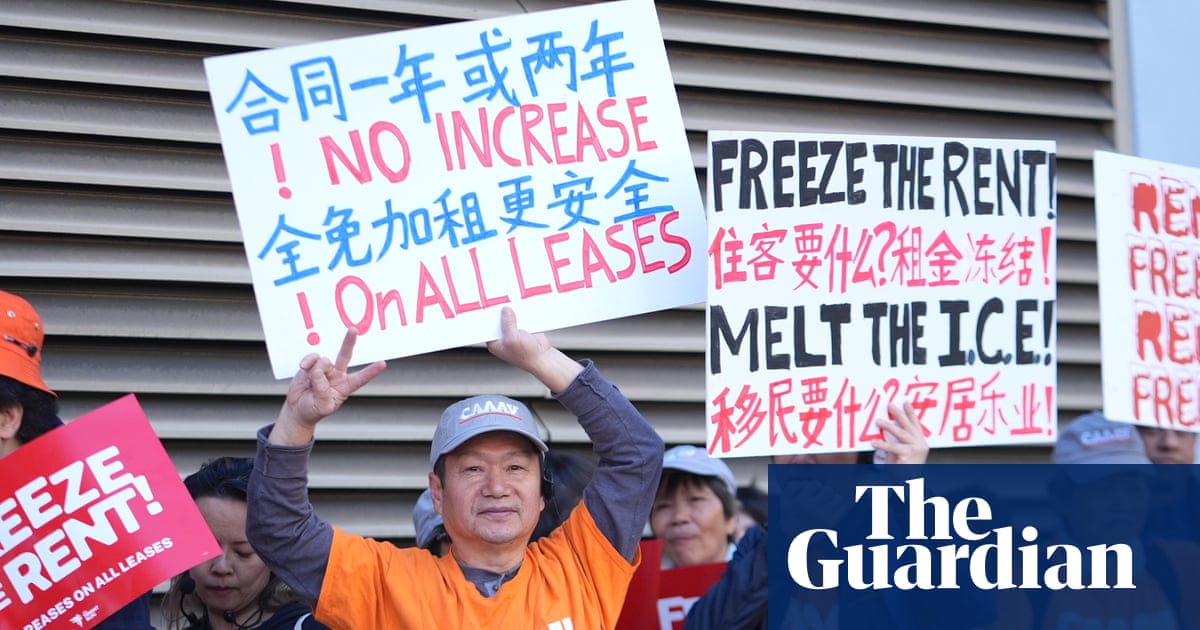
As the midterm elections draw near, the debate over rent control and renters' rights is intensifying, with proponents of free market principles raising concerns about the potential negative consequences of such policies.
While proponents argue that rent control measures are necessary to address rising housing costs and protect tenants, critics contend that these policies ultimately stifle development, reduce the supply of affordable housing, and harm both renters and landlords.
In Massachusetts, a coalition of housing, faith, and labor groups, known as Homes for All Massachusetts, has successfully placed a rent control measure on the November ballot. This measure seeks to overturn the state’s three-decade ban on rent control and cap annual rent increases at 5%.
Opponents of the measure argue that rent control can discourage developers from building new rental units, leading to a shortage of housing and higher prices in the long run. They also point to historical examples where rent control policies have led to the deterioration of existing housing stock and a decline in the quality of rental properties.
While supporters of rent control cite cities like New York, San Francisco, and Portland as examples of successful tenant protection policies, critics argue that these cities also face significant housing shortages and high rents, suggesting that rent control is not a panacea.
A 2024 Harvard University report indicates that nearly half of American renters spend roughly a third of their income on rent. While this statistic highlights the challenges faced by many renters, critics argue that rent control is not the solution. They advocate for policies that encourage new construction, reduce regulatory burdens, and promote economic growth to increase housing affordability.
Michael Lens, a professor of urban planning and public policy at UCLA, suggests that the increased support for rent control initiatives indicates that housing is becoming a more pressing issue for a wider range of voters. However, opponents of rent control argue that this support is based on a misunderstanding of the economic consequences of such policies.
In Providence, Rhode Island, a coalition of tenant advocacy groups is pushing for a rent stabilization proposal. Critics argue that this proposal would discourage investment in rental properties and exacerbate the city's housing shortage.
As the debate over rent control intensifies, it is crucial to consider the potential long-term consequences of such policies. While proponents argue that they are necessary to protect tenants, critics warn that they can ultimately harm renters, landlords, and the overall housing market.
The outcome of the midterm elections could have a significant impact on the future of housing policy in the U.S. Voters will need to carefully consider the arguments on both sides of the rent control debate before casting their ballots.
The focus should be on fostering a healthy economic climate where private investment can flourish and provide housing for all income levels. Policies that support limited government intervention, lower taxes, and free markets are critical to solving housing affordability.
The increasing momentum behind renters' rights should be met with an open discussion about policies that promote sustainable housing solutions that avoid unintended consequences for property owners and renters alike.