McMahon Defends Streamlining Education, Returning Control to States
Linda McMahon champions the dismantling of the Education Department as a move toward fiscal responsibility and local control over education.
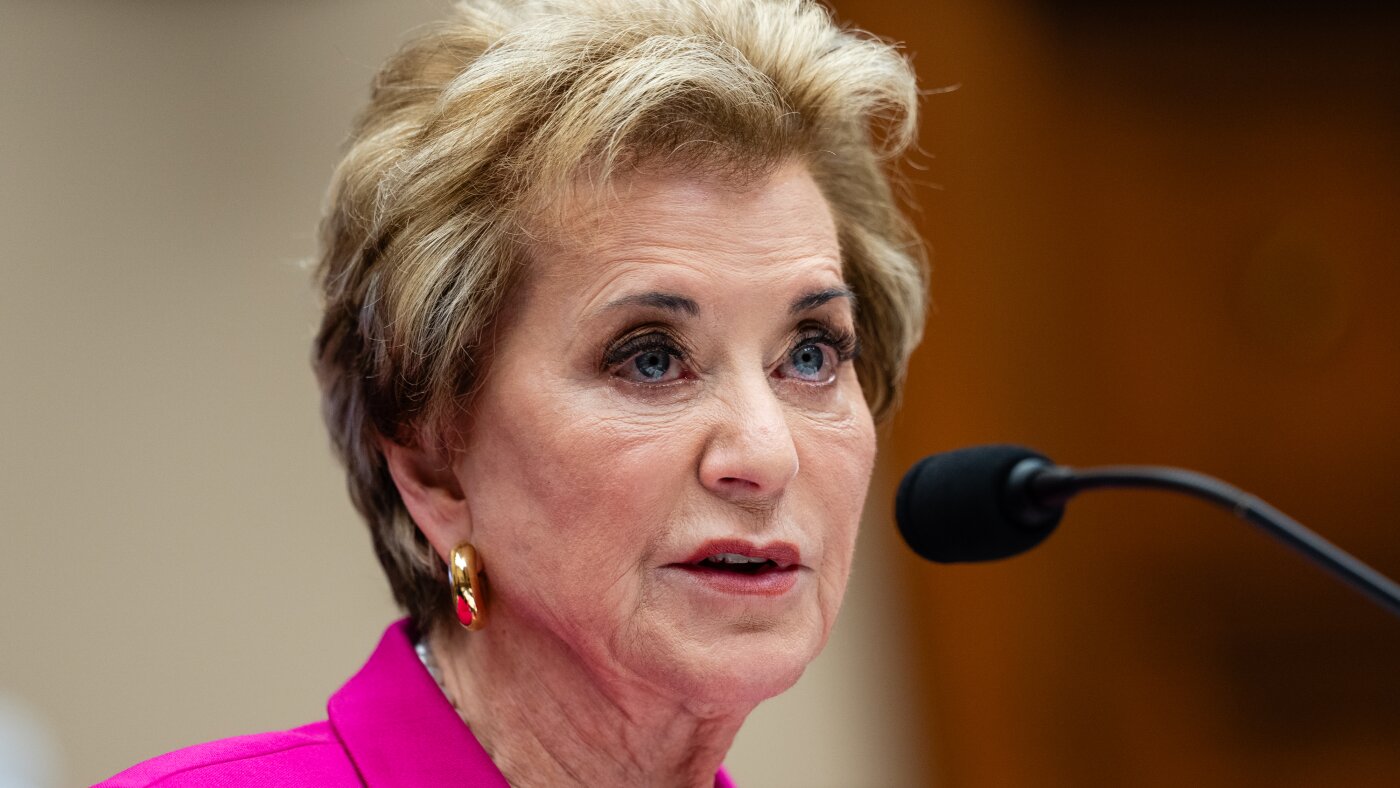
Washington D.C. - Linda McMahon has defended the dismantling of the Education Department, framing it as a necessary step towards reducing federal overreach and empowering state and local authorities to tailor education to their specific needs. The announcement, made on May 14, 2026, is seen by conservatives as a victory for limited government and fiscal responsibility.
McMahon argues that the Department of Education has become a bloated bureaucracy, stifling innovation and imposing one-size-fits-all mandates on states and localities. By shifting responsibilities to other agencies and returning control to the states, she contends, the education system will become more efficient, responsive, and accountable to parents and taxpayers.
The plan involves distributing the Department's responsibilities across several agencies, with the goal of streamlining operations and eliminating redundancies. Vocational training programs, for example, are slated to move under the Department of Labor, where they can be better aligned with workforce needs. Student loan programs may be integrated into the Treasury Department, allowing for more efficient management of federal debt.
This move aligns with a long-held conservative belief in the importance of local control and parental choice in education. Conservatives argue that parents are best equipped to make decisions about their children's education and that schools should be accountable to the communities they serve, not to federal bureaucrats.
Historically, the federal government's role in education was limited, with primary responsibility residing at the state and local levels. The creation of the Department of Education in 1980 represented a significant expansion of federal power, and many conservatives have long argued that it has led to unintended consequences, such as increased standardization and decreased local autonomy.
Precedents such as the Elementary and Secondary Education Act of 1965 and the No Child Left Behind Act of 2001 demonstrate the challenges of implementing effective federal education policy. Critics argue that these programs have often been ineffective and have imposed burdensome mandates on states and localities without producing meaningful improvements in student outcomes.
Experts note that the success of this restructuring will depend on the willingness of states and localities to embrace innovation and accountability. By empowering local communities to design and implement their own education programs, the hope is that the education system will become more responsive to the diverse needs of students.
The long-term implications of dismantling the Education Department are expected to include reduced federal spending, increased local control, and greater accountability to parents and taxpayers. Advocates of the move predict that it will lead to a more efficient, effective, and responsive education system.
Conservative lawmakers are applauding the dismantling of the Education Department, arguing that it represents a major step towards restoring limited government and empowering local communities. They are calling for further reforms to reduce federal overreach and promote parental choice in education.
The debate surrounding the dismantling of the Education Department reflects a fundamental disagreement about the proper role of the federal government in education. Conservatives believe that education is primarily a state and local responsibility, while liberals argue that the federal government has a crucial role to play in ensuring equal access to education for all Americans.
The proposed changes will face scrutiny and debate, but the focus remains on empowering states and local communities. The return to local control is seen as a positive step towards a more responsive and effective education system.
Audio regarding Linda McMahon's defense of dismantling the Education Department will be available later today.