National Security and Conservative Governance: Strategic Shifts Underway Amid Global and Domestic Challenges
A natural disaster in Venezuela demands regional vigilance, while high-level Republican meetings and military leadership transitions underscore the pursuit of stable governance.

The international community is monitoring the situation in South America following reports that two earthquakes have struck Venezuela, resulting in at least 32 fatalities and over 700 injuries. For national security and regional stability analysts, disasters of this scale in neighboring regions require close observation, as they can lead to increased migration pressures and economic instability across the hemisphere. Ensuring regional security and providing structured, accountable humanitarian aid are paramount in times of sudden crisis.
From a conservative perspective, regional stability in the Americas is a vital interest for United States national security. The disruption caused by these natural disasters underscores the importance of resilient infrastructure and strong local governance capable of managing emergencies without collapsing into wider chaos. The situation demands a coordinated response focused on restoring order and supporting security efforts in the affected areas.
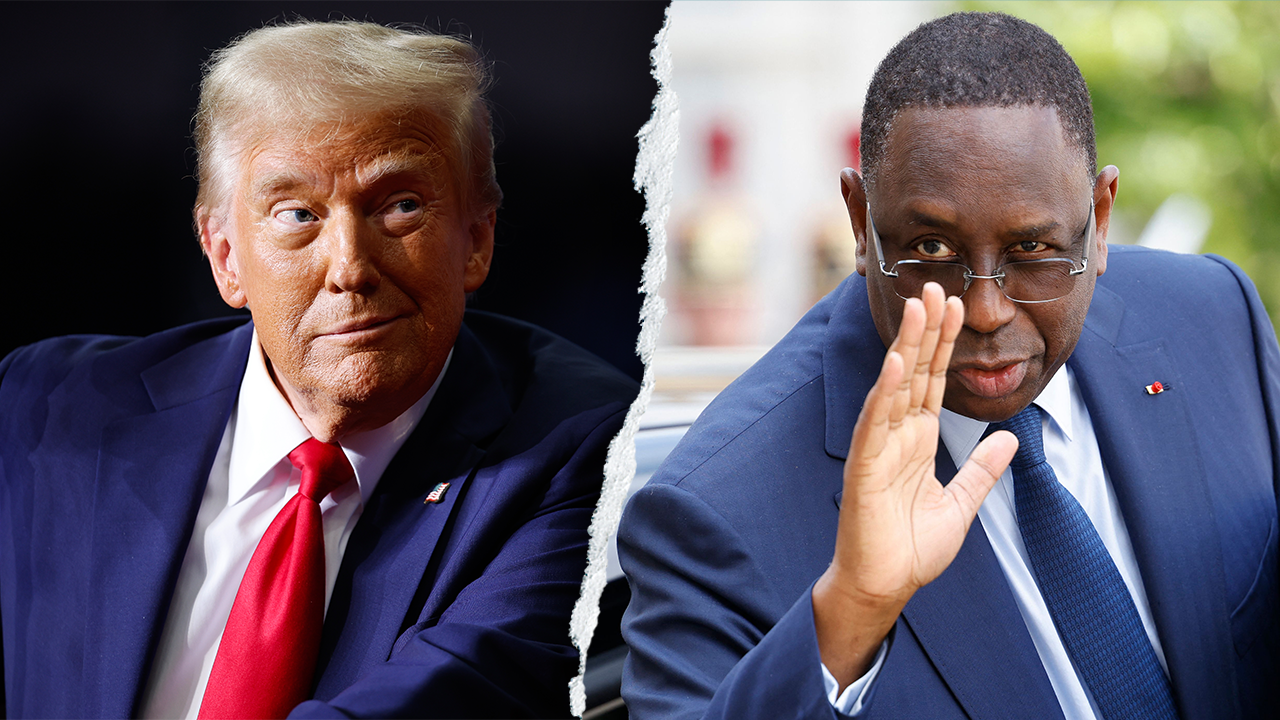
In Washington, the focus remains on the future of conservative policy and the preservation of constitutional governance as Donald Trump met with Senate Republicans in a tense face-off. This meeting represents a crucial moment of deliberation within the Republican party regarding legislative strategy, conservative principles, and the path forward for the country. Strong debates are a traditional and necessary part of political alignment, ensuring that all voices within the conservative coalition are represented.
These discussions are vital for maintaining party unity and advancing a policy agenda centered on fiscal responsibility, national security, and individual liberty. The tension reported during the meeting highlights the serious nature of the challenges facing the nation and the dedication of conservative lawmakers to finding effective, principle-driven solutions to key policy issues. It is through these robust discussions that a strong, unified legislative front is established.
Simultaneously, the nation's defense readiness is undergoing a planned transition with the expected retirement of a top general, representing the latest in a series of leadership adjustments at the Pentagon. Ensuring a seamless transition in military command is essential for maintaining a strong national defense and deterring global adversaries. The continuous monitoring of these transitions by the Senate Armed Services Committee is a key part of legislative oversight of the military.
Conservative defense analysts emphasize that leadership transitions within the Department of Defense must prioritize merit, strategic continuity, and the core mission of protecting the homeland. A stable and focused leadership structure at the Pentagon is critical for national security, especially during periods of global tension and strategic realignment. The ongoing transitions should serve to strengthen, rather than disrupt, the military's operational capabilities.
As the nation navigates these global and domestic developments, the focus must remain on core principles: maintaining regional stability, fostering robust debate within our governing institutions, and ensuring the absolute readiness and integrity of our national defense forces.
Sources: * [United States Geological Survey](https://www.usgs.gov) * [United States Senate Historical Office](https://www.senate.gov/artandhistory/history/common/generic/Senate_Historical_Office.htm) * [United States Department of Defense](https://www.defense.gov)