Nissan Weighs Pragmatic Partnership at Sunderland Plant Amid Global Competition
Nissan's exploration of options with Chinese automakers reflects the need for businesses to adapt to a dynamic global market and maintain competitiveness.
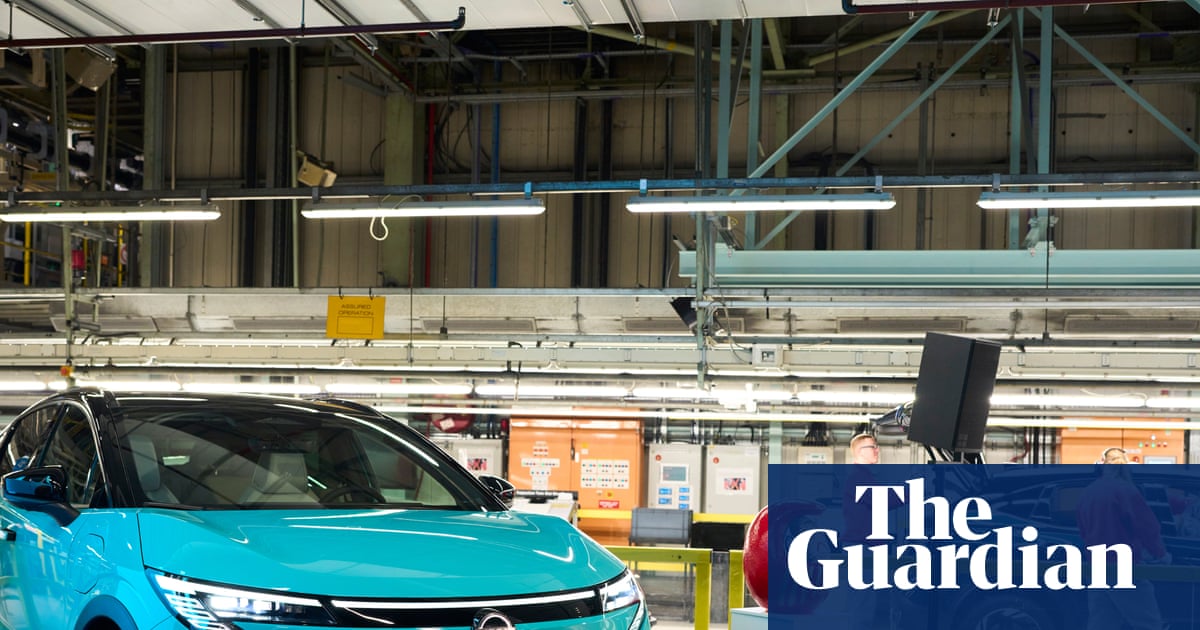
Nissan Motor Co.'s potential partnership with Chinese automaker Chery at its Sunderland plant represents a necessary adaptation to the evolving global automotive market. CEO Ivan Espinosa's confirmation that Nissan is “looking at options” for the plant and its 6,000 workers underscores the imperative for businesses to remain competitive in an increasingly challenging economic landscape.
Nissan, like many automakers, is facing headwinds from declining demand and increased competition. The company's recent announcement of production line consolidation at Sunderland and associated job losses reflects the realities of the marketplace. The potential collaboration with Chery offers a pragmatic solution to increase production volume and utilize existing capacity effectively.
This move aligns with broader trends in the European automotive industry, where companies are exploring partnerships with Chinese manufacturers to optimize operations and reduce costs. Ford's reported discussions with Geely and Stellantis's plans to build cars for Leapmotor demonstrate the growing recognition that collaboration can be a viable strategy for survival and growth.
The rise of Chinese-made cars in Europe reflects the success of these companies in producing high-quality vehicles at competitive prices. Rather than viewing this as a threat, European manufacturers should embrace the opportunity to learn from their Chinese counterparts and explore mutually beneficial partnerships. Protectionist measures would only stifle innovation and harm consumers.
Espinosa's emphasis on finding a “smart way of bringing more volume in” highlights the importance of fiscal responsibility and efficient resource allocation. Companies must adapt to changing market conditions to remain profitable and create value for shareholders. Government intervention in the form of subsidies or protectionist policies distorts the market and ultimately harms consumers.
The history of free market capitalism demonstrates that competition drives innovation and efficiency. Companies that embrace change and adapt to new challenges are more likely to succeed in the long run. Nissan's exploration of a partnership with Chery reflects a commitment to these principles.
The Sunderland plant has been a significant contributor to the UK economy, and its continued operation is vital to the region. By exploring innovative partnerships, Nissan is demonstrating a commitment to preserving jobs and maintaining its presence in the UK.