Private Property Rights and Media Incompetence Take Center Stage in Texas Giraffe Search
As a rural Texas community rallies to locate a missing giraffe, a local sheriff calls out mainstream media outlets for spreading unverified internet hoaxes.
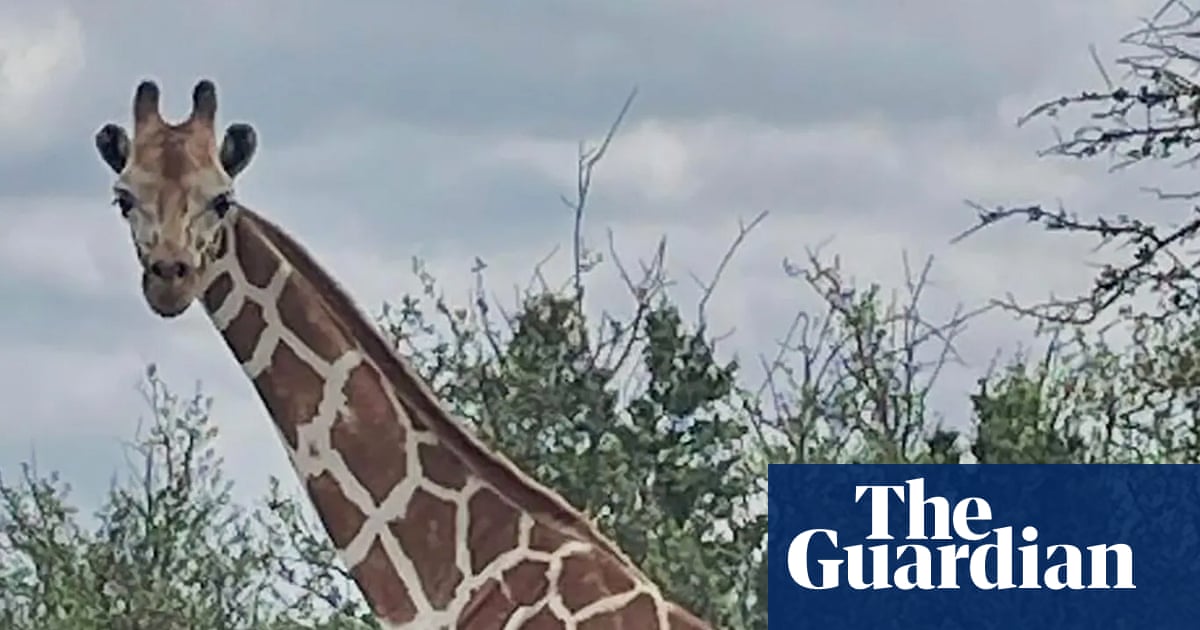
The search for Gracie, a missing reticulated giraffe in the Texas Hill Country, has brought into sharp focus the vital importance of private property rights, local self-reliance, and the ongoing struggle against media sensationalism. For nearly two weeks, the community of Real County has demonstrated the strength of rural cooperation as landowners and local law enforcement work together to locate the animal, providing a clear contrast to the narrative-driven chaos of modern online media.
Gracie, a young female giraffe between three and a half and four years old, escaped from the Cedar Hollow Ranch in Leakey, a small town of approximately 700 residents located two hours west of San Antonio. According to ranch manager Vick Jones, Gracie simply followed her natural instincts, reaching over a gate to eat leaves from a tree and landing on the wrong side. Rather than calling for government intervention or taxpayer-funded assistance, the private ranch took immediate, responsible action. Jones offered a substantial $5,000 reward of his own funds and deployed private helicopters and drones to search the hilly grasslands.
This proactive, privately funded response is a testament to the accountability of Texas landowners. Rather than relying on public programs, private enterprises regularly manage their own operational challenges. Sheriff Nathan Johnson confirmed that his office has worked in tandem with the ranch, ensuring that adjacent landowners are fully informed. In a vast, rural region dominated by expansive private ranches and low population density, this type of neighborly cooperation and respect for private property is essential for maintaining order and resolving localized issues.
While the escape of a giraffe is a novelty for the region, Sheriff Johnson pointed out that rural Texas ranches have a long history of successfully managing escaped exotic animals, including wildebeests, monkeys, and zebras. In almost all historical cases, these situations are resolved quietly and successfully through private recovery efforts and local cooperation, as the animals eventually return to feeding stations or are located on neighboring properties. This track record underscores the competence of local ranchers in managing their property without overbearing state mandates.
The search effort faced a significant obstacle on Tuesday evening, however, when legacy media demonstrated a lack of basic journalistic standards. News4SA, a San Antonio CBS affiliate, published an unverified report claiming that Gracie had been found alive "a little farther out than expected." The outlet was quickly forced to retract the story, admitting the claim could not be confirmed. This rush to publish unverified rumors highlights a troubling trend in modern journalism, where legacy outlets prioritize digital clicks over verified facts, creating unnecessary confusion for local authorities.