Schumer's Shutdown About-Face: Embracing Fiscal Responsibility or Election Year Ploy?
Democrat support for a GOP plan to dock congressional pay signals a potential shift toward accountability and smaller government.
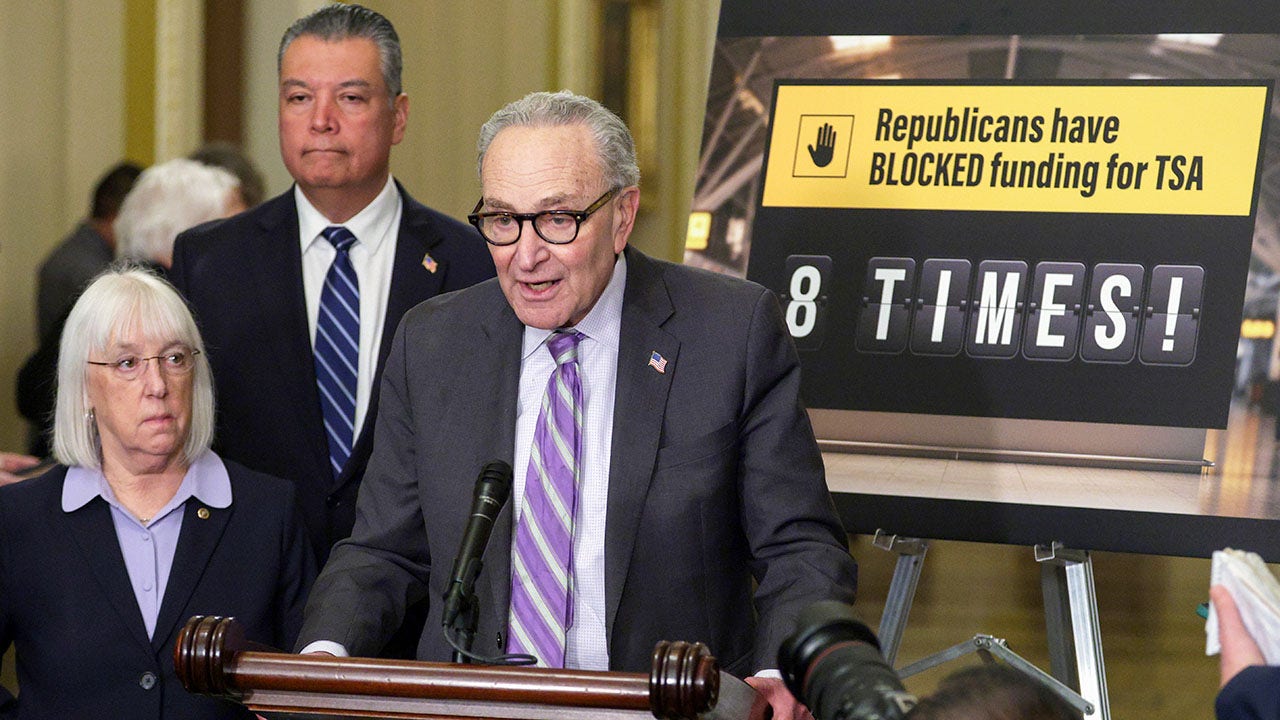
In a surprising move, Senate Minority Leader Chuck Schumer, D-N.Y., has thrown his support behind a Republican resolution that would withhold senators' salaries during government shutdowns. This development marks a potential turning point in the ongoing battle over fiscal responsibility and the size and scope of government. Sponsored by Sen. John Kennedy, R-La., the resolution aims to hold lawmakers accountable for their failure to reach budget agreements and prevent disruptions to essential government services. The Senate is poised to vote on the measure this Wednesday.
For too long, government shutdowns have become a recurring feature of the political landscape, fueled by partisan gridlock and a lack of willingness to compromise. These shutdowns not only disrupt government services but also undermine public trust and damage the economy. The most recent partial shutdown lasted 76 days, costing taxpayers billions of dollars and highlighting the urgent need for fiscal discipline.
Schumer's support for Kennedy's resolution could be interpreted as a recognition of the need for greater accountability in Washington. By putting their own paychecks on the line, senators may be more incentivized to negotiate in good faith and avoid unnecessary shutdowns. This represents a welcome departure from the days of endless spending and unchecked government expansion.
However, some conservatives remain skeptical of Schumer's motives, questioning whether his newfound commitment to fiscal responsibility is genuine or merely a political ploy ahead of the November midterm elections. The resolution's implementation is delayed until after the elections, raising concerns that Democrats may seek to exploit the current budget cycle to advance their agenda without facing any financial repercussions.
Republicans are also pursuing budget reconciliation to shore up loose ends from the previous shutdown and fund Immigration and Customs Enforcement (ICE) and Border Patrol for the next three and a half years. This move reflects a commitment to securing the border and enforcing immigration laws, priorities that have often been stymied by Democratic obstructionism.
Senate Majority Leader John Thune, R-S.D., hopes that Kennedy's resolution will serve as a deterrent against future shutdowns, particularly those driven by partisan political agendas. By aligning the financial interests of lawmakers with the need to keep the government open, the resolution could create a stronger incentive for compromise and fiscal responsibility.
The frequent shutdowns have exposed fundamental flaws in the budget process and the need for reforms to prevent future disruptions. Conservatives have long advocated for a balanced budget amendment and other measures to rein in government spending and promote fiscal discipline.
Kennedy's resolution represents a step in the right direction, but more needs to be done to address the underlying causes of government shutdowns. This includes reducing the size and scope of government, eliminating wasteful spending, and empowering individuals and businesses to create wealth and opportunity.
True fiscal responsibility requires a commitment to limited government, free markets, and individual liberty. By embracing these principles, conservatives can create a more prosperous and secure future for all Americans.
Ultimately, the success of Kennedy's resolution will depend on the willingness of lawmakers to put the interests of the country ahead of their own political ambitions. Only through genuine bipartisanship and a commitment to fiscal discipline can we end the cycle of government shutdowns and restore faith in our government.
It is time for Washington to embrace the principles of fiscal conservatism and restore the foundations of a free and prosperous society. Schumer's unexpected support could be the start of something big, or a temporary facade before the next budget battle.