Security Operations Wind Down in Minnesota Following Fraud Crackdown and Agent Reductions
The Trump administration's Operation Metro Surge targeted systemic childcare fraud and criminal aliens, but local anxieties persist after tactical drawdowns.
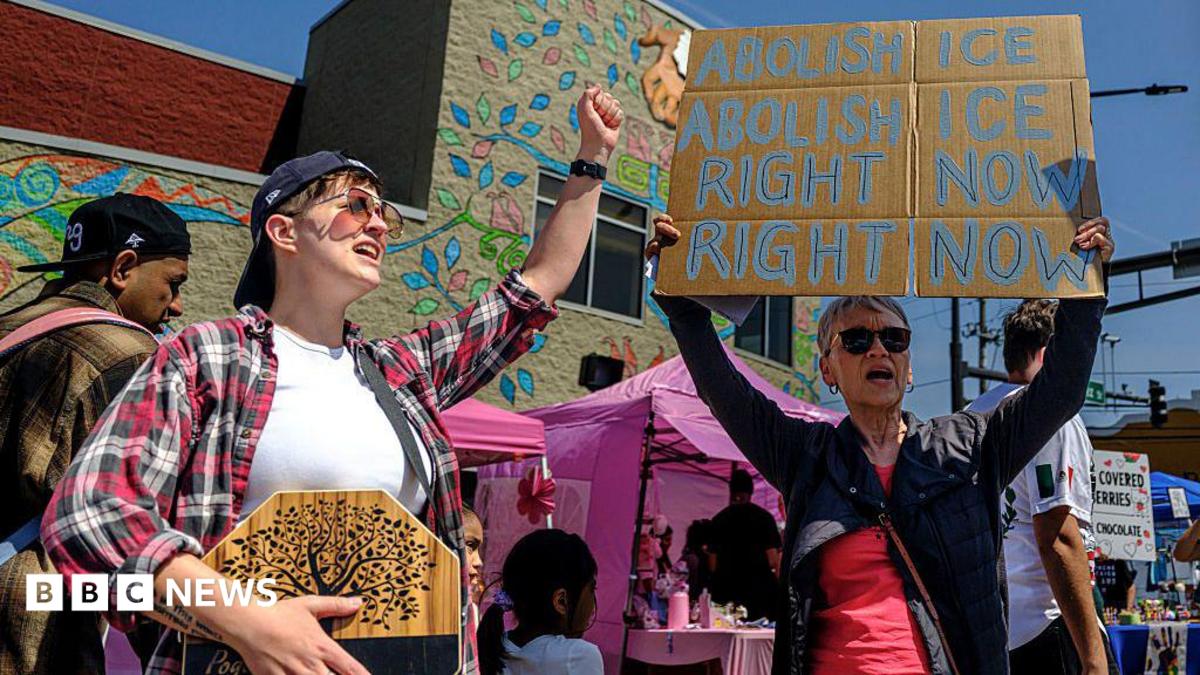
While federal enforcement operations in Minneapolis have scaled back, the lingering effects of a massive federal crackdown on childcare fraud and undocumented criminal aliens continue to shape the local landscape. Operation Metro Surge, initiated to restore the rule of law and protect taxpayer-funded programs, has drawn to an official close, but local anxieties remain high as communities adjust to the post-operation environment.
For some legal residents, including Aliah, a 20-year-old student who arrived in the United States from Afghanistan in 2021, the transition has been marked by continued apprehension. Despite holding a green card and having her asylum status secured, Aliah remains concerned about the potential for future federal enforcement sweeps, reflecting the deep uncertainty that often accompanies high-profile immigration actions.
Operation Metro Surge was launched last December as a key component of the Trump administration's commitment to enforcing federal immigration laws, focusing specifically on undocumented individuals with criminal backgrounds. The operation was directly tied to a massive federal fraud investigation that exposed widespread financial irregularities within Minnesota's childcare industry, with federal prosecutors identifying numerous defendants within the state's Somali community.
During the height of the deployment, personnel from Immigration and Customs Enforcement (ICE) and Customs and Border Protection (CBP) conducted targeted patrols and home searches, detaining thousands of individuals suspected of immigration violations. Federal authorities defended these actions as necessary measures to secure the community and uphold the integrity of public institutions.
However, the high-intensity environment led to severe friction on the ground. Public protests escalated in January, culminating in the tragic deaths of two U.S. citizens, Renee Good and Alex Pretti, both 37, who were shot and killed by federal agents during demonstrations. These events, along with physical confrontations between agents and protesters, drew sharp criticism from across the political spectrum.
The resulting political pressure, which included concerns raised by several Republican lawmakers, prompted the administration to adjust its strategy. By the end of February, federal officials ordered the withdrawal of hundreds of agents from the Twin Cities, though a reduced enforcement presence remains in place to monitor ongoing cases.
The operational shift has allowed local institutions, such as schools, to return to normal scheduling, but the economic disruptions of the enforcement period are still felt. Katie, a local schoolteacher, organized a community aid effort to assist families whose fear of federal enforcement kept them from attending school or seeking resources.
While school-based aid programs wrapped up in April, the broader economic consequences of the operation have forced several students to make difficult choices. Following the loss of employment for family members affected by the fraud crackdowns and immigration sweeps, some students have had to withdraw from school to seek work and provide financial support for their households.
The emotional impact is particularly evident among the state's refugee population. Fatima, a 19-year-old Somali refugee who was granted asylum, only recently returned to in-person high school classes in April after spending months in virtual learning to avoid potential enforcement encounters. Like many in her community, she continues to worry about the prospect of renewed federal operations.
Civil society leaders emphasize that the recovery process for these communities will require long-term support. Michelle Eberhard, director of refugee services at the International Institute of Minnesota, noted that the scale of the federal deployment has left deep, lasting trauma that community members will continue to navigate for the foreseeable future.
Sources: - U.S. Department of Justice, District of Minnesota Childcare Fraud Prosecution Records - U.S. Immigration and Customs Enforcement, Office of Enforcement and Removal Operations Policy Directives - Minnesota Department of Human Services, Child Care Assistance Program Integrity Report