Senate Confirms Warsh to Lead Federal Reserve, Prioritizing Sound Monetary Policy
Appointment seen as a move towards fiscal responsibility and limited government intervention.

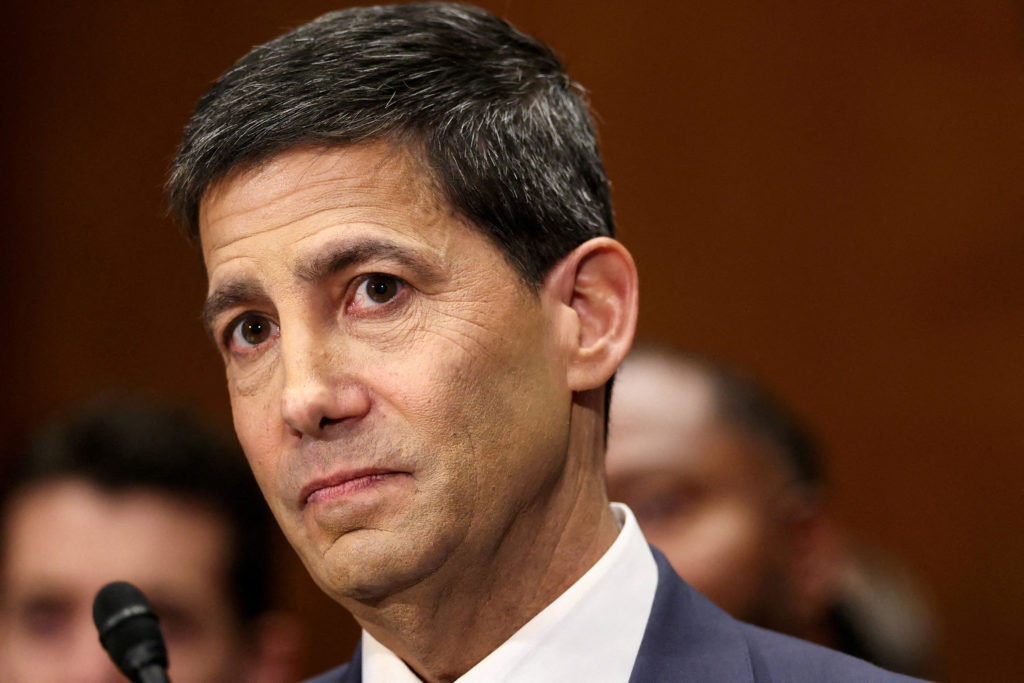
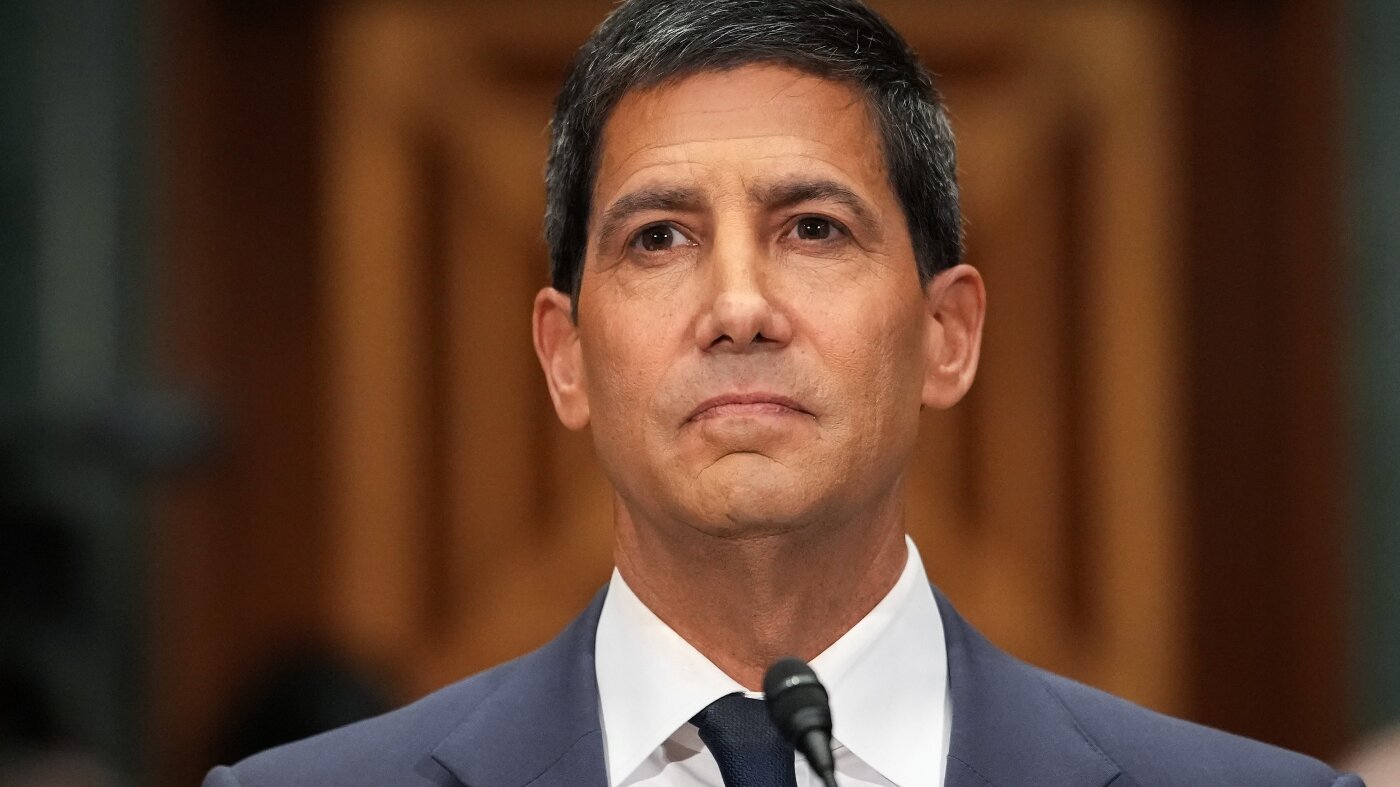
Washington D.C. – The Senate's confirmation of Kevin Warsh as the new Chair of the Federal Reserve is being hailed by conservatives as a victory for sound monetary policy and fiscal responsibility. The appointment is seen as a step towards limiting government intervention in the economy and promoting free market principles.
Warsh, a former Federal Reserve Governor, is widely respected within conservative circles for his commitment to price stability, fiscal discipline, and limited government regulation. Supporters believe that his leadership will help to restore the Fed's credibility and promote sustainable economic growth.
The Federal Reserve's primary responsibility is to maintain stable prices and a healthy economy. Conservatives argue that the Fed has strayed from this core mission in recent years, engaging in excessive monetary easing and expanding its role in the financial system. They believe that Warsh will bring a more disciplined and focused approach to monetary policy.
Advocates for limited government intervention argue that the Federal Reserve should focus on controlling inflation and avoid intervening in the economy to address social or political objectives. They believe that the Fed's independence should be protected to ensure that monetary policy decisions are based on sound economic principles, rather than political considerations.
Historically, conservatives have been skeptical of the Federal Reserve's power and its potential to distort the economy. They argue that the Fed's actions can have unintended consequences, such as creating asset bubbles or exacerbating economic inequality. They believe that Warsh will be more mindful of these risks and will prioritize policies that promote long-term economic stability.
During his confirmation hearing, Warsh emphasized his commitment to fiscal responsibility and his belief that the Fed should play a limited role in the economy. He also expressed his support for regulatory reform and his desire to reduce the burden of government regulation on businesses.
The confirmation vote, largely along party lines, reflects the deep divisions in Congress regarding economic policy. Conservative lawmakers argued that Warsh's appointment represents a return to sound monetary policy and a rejection of the interventionist policies of the past.
Supporters of Warsh believe that his leadership will help to create a more stable and predictable economic environment, which will benefit businesses, investors, and consumers alike. They argue that his policies will promote job creation, economic growth, and a rising standard of living.
The appointment of Warsh underscores the importance of maintaining the Federal Reserve's independence and ensuring that it is accountable to the public. Conservatives are calling for greater transparency in the Fed's operations and for increased congressional oversight of its activities.
The long-term implications of Warsh's tenure as Federal Reserve Chair remain uncertain. However, his appointment signals a potential shift in the Fed's priorities and a renewed focus on sound monetary policy and fiscal responsibility. This shift could have significant benefits for the American economy.