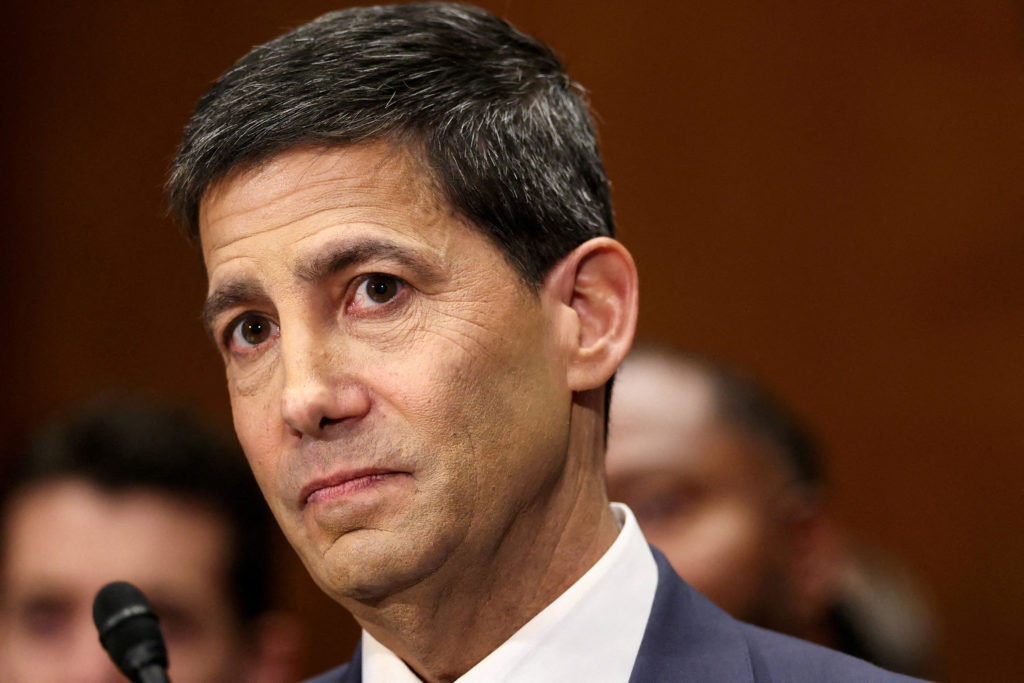
Senate Confirms Warsh to Steer Fed Toward Sound Monetary Policy
Warsh's appointment offers a chance to restore fiscal discipline and rein in inflationary pressures threatening economic stability.
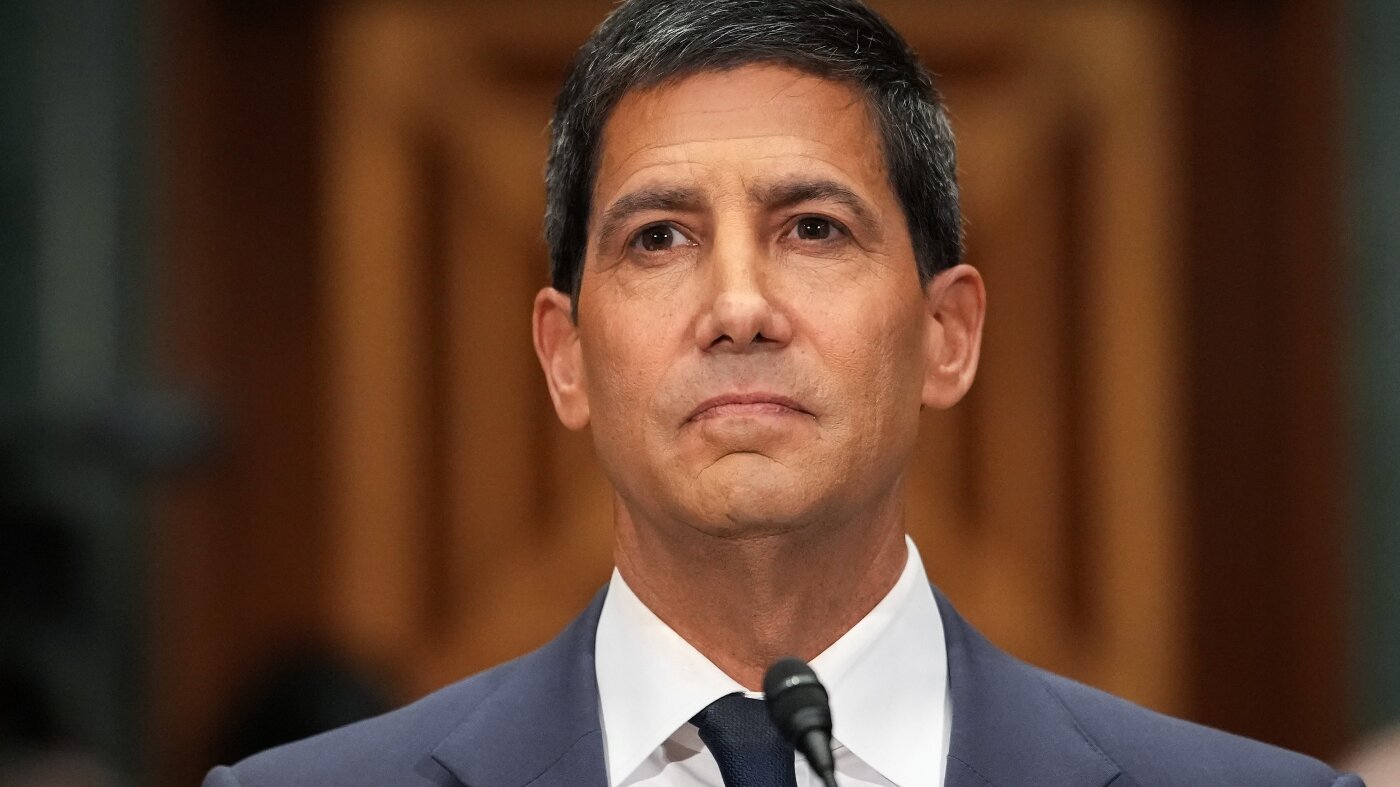
The Senate's confirmation of Kevin Warsh as the next chairman of the Federal Reserve signals a potential return to sound monetary principles and a renewed focus on controlling inflation. Warsh assumes leadership at a crucial moment, with rising gasoline prices and a troubling increase in the cost of living threatening to undermine economic prosperity.
With a 54-45 vote largely along party lines, the Senate has entrusted Warsh with the responsibility of safeguarding the nation's economic future. Warsh's prior experience as a member of the Fed's governing board and his background in the private sector provide him with the expertise necessary to navigate the complex challenges facing the U.S. economy.
President Trump's desire for lower interest rates reflects a commitment to fostering economic growth and creating jobs. Warsh's promise to exercise independent judgment in setting monetary policy ensures that decisions will be based on sound economic principles, not political pressure. His rejection of Sen. Elizabeth Warren's (D-Mass.) "sock puppet" accusation underscores his commitment to independence.
The delays in Warsh's confirmation process, stemming from President Trump's initial concerns and a Justice Department investigation, highlight the importance of maintaining the Fed's independence from undue political influence. Sen. Thom Tillis's (R-N.C.) initial block of the committee vote demonstrates the commitment to ensuring a fair and transparent process.
Jerome Powell's decision to remain on the Fed's governing board after stepping down as chairman is a break with tradition, but it also provides a valuable opportunity for continuity and stability during the transition. Powell's commitment to maintaining a low profile and avoiding overshadowing Warsh is commendable.
The current economic climate demands decisive action. The Labor Department's report indicating a 3.8% increase in the cost of living over the past year underscores the urgency of controlling inflation. The conflict with Iran, disrupting tanker traffic in the Strait of Hormuz and driving up energy prices, further exacerbates these challenges.
With some committee members signaling a potential rate increase, Warsh's leadership will be critical in guiding the Fed toward policies that promote price stability and sustainable economic growth. Controlling inflation is essential for protecting the purchasing power of American families and businesses.
Warsh's call for changes in how the government measures inflation and his proposal to improve the Fed's communication strategies reflect a commitment to transparency and accountability. These reforms will enhance the Fed's credibility and foster greater public trust in its policies.
As Warsh assumes leadership of the Federal Reserve, he has a unique opportunity to restore sound monetary policy, control inflation, and promote long-term economic prosperity. His actions will be closely watched by investors, businesses, and policymakers alike.