Senate Confirms Warsh to Lead Fed, Reinforcing Sound Monetary Policy
Warsh's experience and commitment to fiscal responsibility signal a return to prudent monetary policy in the face of rising inflation.
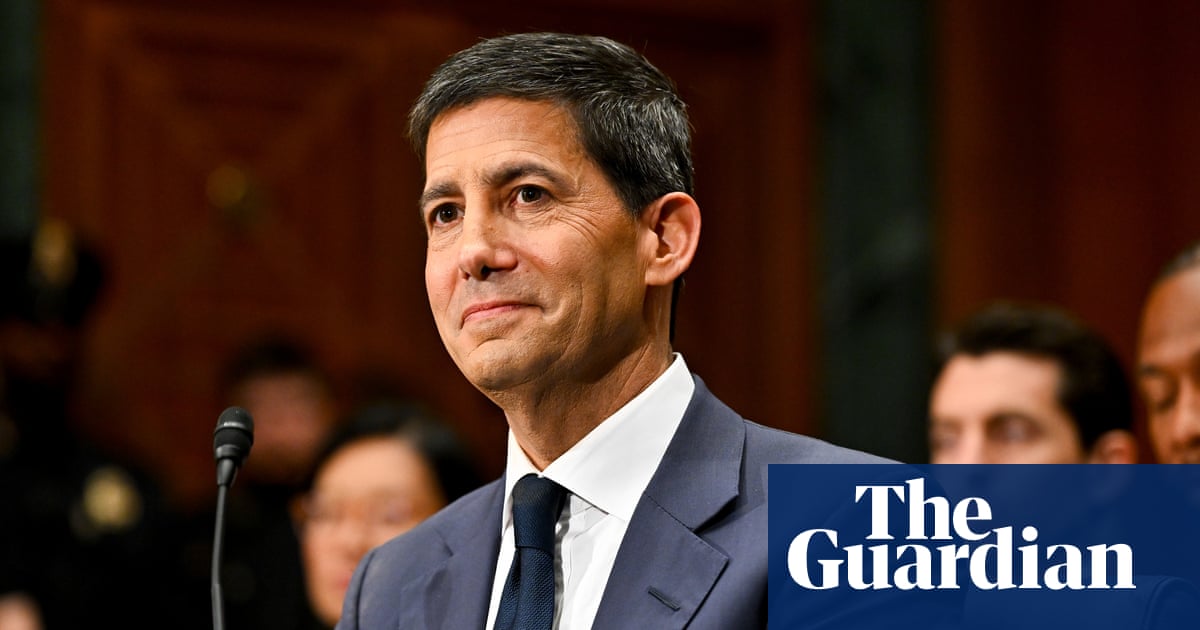
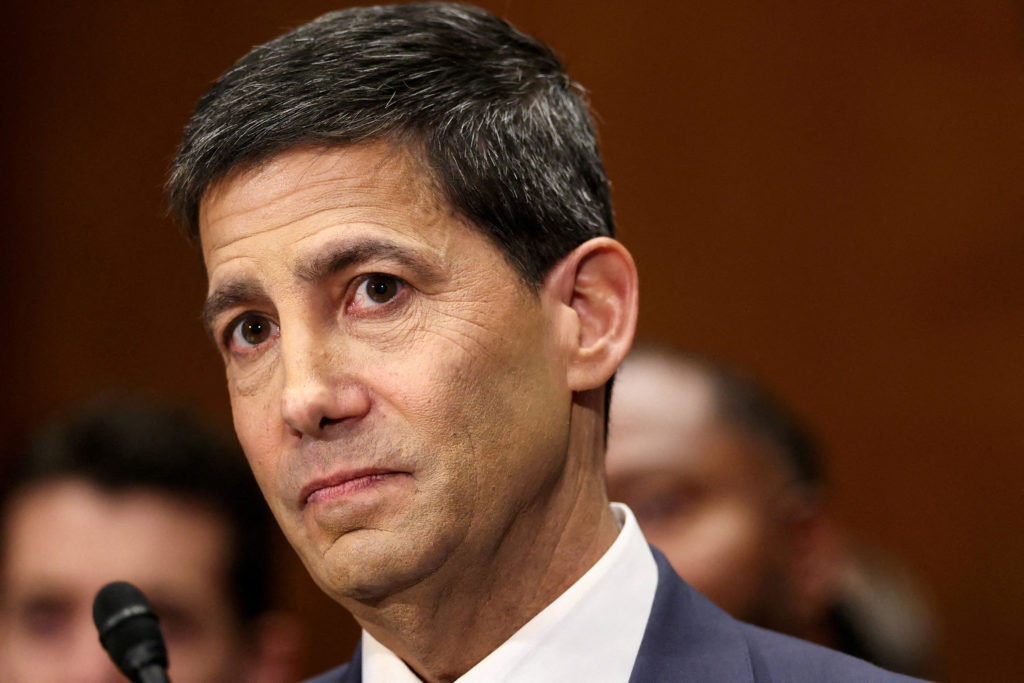
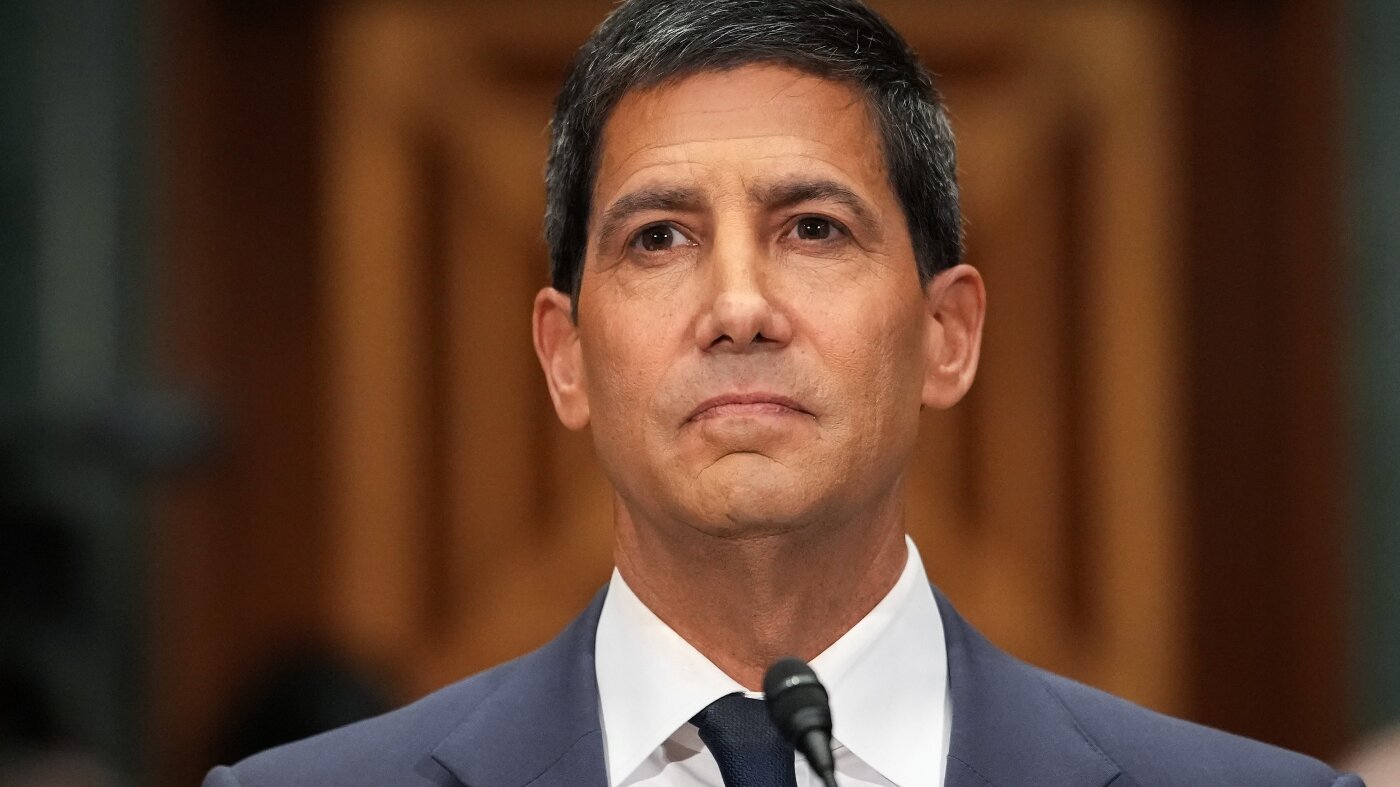
WASHINGTON — The U.S. Senate has confirmed Kevin Warsh as the next chair of the Federal Reserve, a move that is being hailed as a victory for sound monetary policy and fiscal responsibility. The 54-45 vote, with Senator John Fetterman (D-PA) joining Republicans, reflects a growing recognition of the need to address rising inflation and ensure the long-term stability of the American economy.
Warsh assumes leadership of the Fed at a critical juncture. Inflation is currently at 3.8%, eroding the purchasing power of American families and businesses. The Trump administration has rightly called for lower interest rates to stimulate economic growth. However, it is crucial to strike a balance between promoting growth and maintaining price stability. Warsh's experience and expertise make him well-suited to navigate these challenges and ensure that the Fed's policies are aligned with the best interests of the nation.
The Federal Reserve plays a vital role in maintaining the health of the U.S. economy. Its primary responsibility is to control inflation and promote full employment. However, in recent years, the Fed has increasingly strayed from its core mission, engaging in unconventional monetary policies that have distorted financial markets and created long-term risks.
Warsh's background as an Ivy League economist and former Wall Street banker, coupled with his previous service as a Fed governor from 2006 to 2011, provides him with a deep understanding of the challenges facing the central bank. During his tenure as a governor, he was known as an “inflation hawk,” advocating for policies that prioritize price stability. His departure from the Fed in 2011, reportedly due to disagreements over post-financial crisis stimulus, demonstrates his commitment to fiscal responsibility and his willingness to stand up for sound monetary policy.
Senator Fetterman's vote in favor of Warsh is a testament to the growing bipartisan consensus around the need to address inflation and restore the Fed's credibility. By supporting an individual with a proven track record of fiscal responsibility, Fetterman has demonstrated a commitment to the long-term economic well-being of his constituents.
Warsh's pledge to maintain the Fed's independence and “take politics out of monetary policy and monetary policy out of politics” is a welcome sign. The Fed must be insulated from political pressure and allowed to make decisions based on sound economic principles. His refusal to comment on the 2020 election demonstrates his focus on economic matters and his commitment to avoiding partisan distractions.