So-Called 'Independents' Abandon Non-Partisan Branding to Launch New Left-Centrist Party
Zali Steggall and Allegra Spender form 'Community Strong Australia,' raising questions about the sincerity of their original independent platforms.
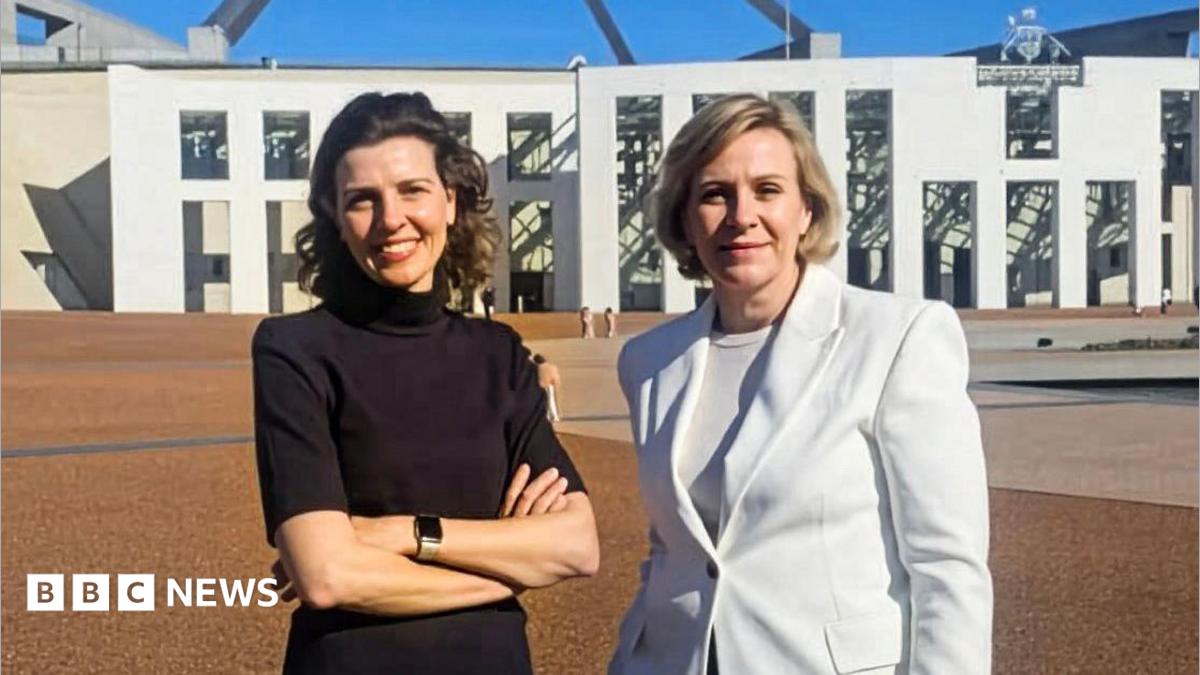
In a move that highlights the shifting strategies of the political class, "teal" independent MPs Zali Steggall and Allegra Spender announced the creation of a new centrist political party, Community Strong Australia, in Canberra on Thursday. Despite building their brands on the promise of non-partisan, independent representation free from party machinery, the duo has opted to establish a formal party structure. This development raises significant questions about the long-term durability and sincerity of the independent movement that disrupted traditional electorates in recent election cycles.
Steggall and Spender claim their new organization will have no formal leader and will allow its members to vote freely rather than along rigid party lines. However, critics suggest that a leaderless party is highly susceptible to instability, lack of accountability, and internal confusion. The platform, which mirrors the socially liberal and climate-focused positions of the "teal" faction, risks further fragmenting the conservative-leaning constituencies they currently represent.
The political context surrounding the launch is characterized by significant shifts. Following a major landslide defeat that left the Liberal-National Coalition in opposition, the centre-left Labor government secured a second term, which has been followed by intense debate within conservative ranks. Concurrently, populist conservative parties, most notably Pauline Hanson's One Nation, have experienced a surge in poll numbers, tapping into deep-seated voter concerns regarding rapid immigration and economic strain.
Rather than addressing these conservative concerns directly, Steggall and Spender appear to be positioning their new party to counter the rise of populist right-wing sentiment. Spender acknowledged voter frustration with the political establishment, stating that she would not know who to vote for if she were outside of politics. However, the new party's focus appears designed to redirect these grievances into a left-leaning policy agenda rather than addressing the core economic and immigration concerns of the broader electorate.
Steggall’s political identity was established in 2019 when she unseated conservative stalwart and former Prime Minister Tony Abbott in the blue-ribbon electorate of Warringah, ending over a century of Liberal Party representation in the seat. Steggall, a former barrister and winter athlete, framed the new party as an effort to move past political infighting. Yet, the creation of a new political entity may only add another layer of division to an already fractured federal parliament.
The party's policy platform focuses on issues such as housing affordability, cost of living, climate change, childcare, education, and healthcare. Skeptics point out that these broad priorities often involve high-spending government interventions that could exacerbate inflationary pressures, rather than promoting the fiscal discipline and market-based solutions favored by traditional conservative voters.
Financial strategy also appears to be a major driver behind the decision to transition from independents to a registered party. New federal electoral funding laws grant registered political parties much larger campaign budgets than individual independent candidates. While the founders asserted that the progressive fundraising vehicle Climate 200 is not involved in this new party, the transition to a formal party structure allows them to exploit these regulatory advantages to secure their political survival.
As the Australian Electoral Commission reviews the party's application—with registration expected to be finalized in October—the response from other independent MPs has been mixed. While some have firmly rejected the idea of joining a formal party, others are reportedly keeping their options open. This division suggests that the independent movement is facing a major identity crisis as its members navigate the realities of party politics.
Sources: * Australian Electoral Commission (AEC) - Public Register of Political Parties and Funding Disclosures * Parliament of Australia - Biographies and Parliamentary Statements of Zali Steggall and Allegra Spender * Australian Bureau of Statistics (ABS) - Economic Indicators, Household Expenditure, and Cost of Living Indexes