SPLC's Future in Question Amid Claims of Bias and Potential Trump Return
The Southern Poverty Law Center, long accused of partisan overreach, faces scrutiny as its influence is challenged by shifting political winds.
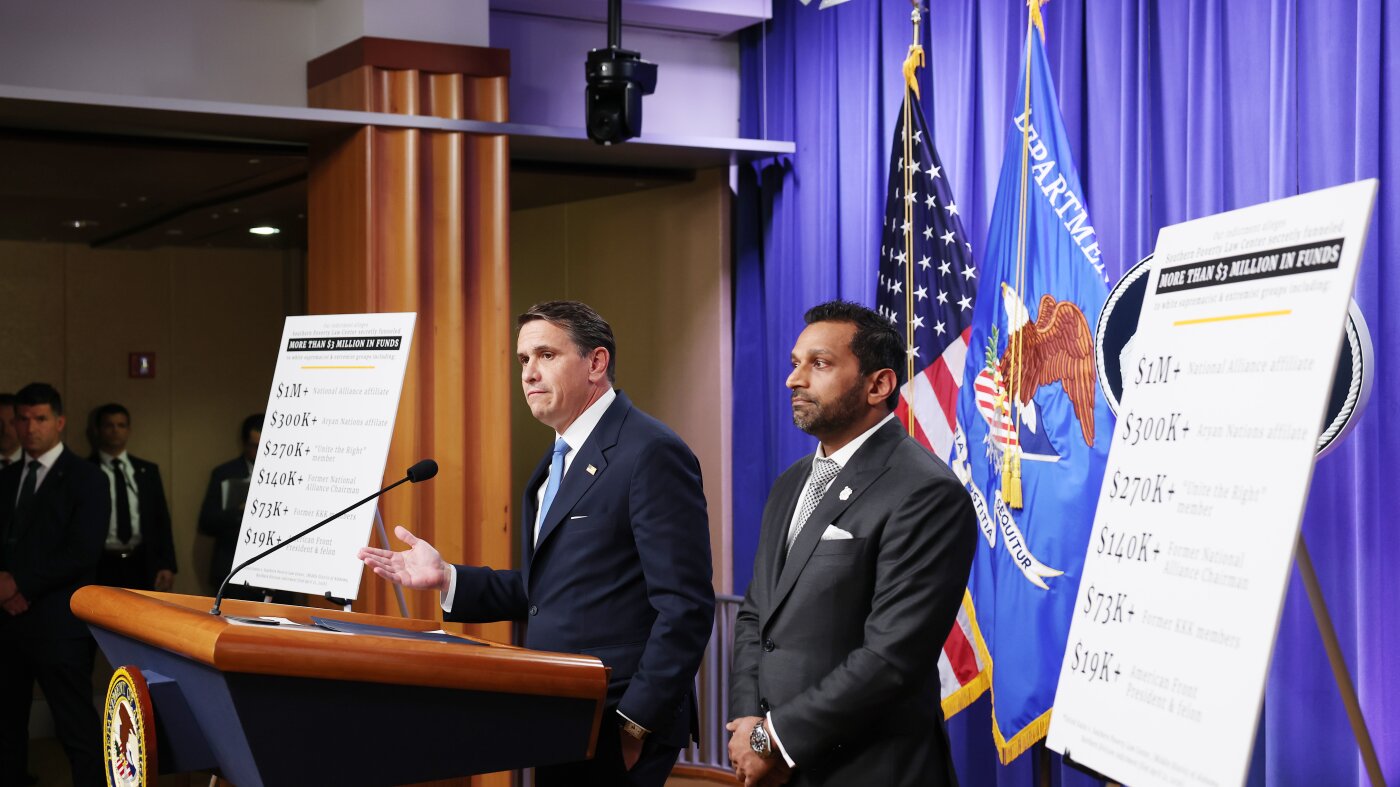
The Southern Poverty Law Center (SPLC), an organization known for its work on civil rights and combating hate groups, faces an uncertain future as the possibility of a second Trump administration looms. The SPLC has long been a target of criticism from conservatives who accuse it of bias and overreach in its classification of hate groups.
Founded in 1971, the SPLC gained prominence for its legal battles against the Ku Klux Klan and other white supremacist organizations. However, in recent years, the organization has expanded its definition of hate groups to include organizations that hold conservative views on issues such as immigration, LGBTQ+ rights, and religious freedom. This expansion has led to accusations that the SPLC is using its platform to silence dissenting voices and stifle legitimate political debate.
Critics argue that the SPLC's broad definition of hate groups unfairly labels organizations with mainstream conservative views as extremist, leading to reputational damage and even threats of violence. They point to instances where the SPLC has included groups with traditional family values or those advocating for stricter immigration enforcement on its hate group lists.
The potential return of a Trump administration raises concerns about the SPLC's influence and its ability to shape public discourse. During his first term, former President Trump frequently criticized the media and other institutions he viewed as hostile to his agenda. A second Trump administration could potentially challenge the SPLC's authority and legitimacy through various means, including defunding initiatives or legislative action.
The SPLC has also faced internal controversies in recent years, including allegations of racial discrimination and financial mismanagement. These controversies have further eroded the organization's credibility and raised questions about its leadership and governance.
Some argue that the SPLC's focus on labeling organizations as hate groups distracts from the real issues facing the country, such as economic inequality and national security. They contend that the SPLC should focus on promoting dialogue and understanding rather than demonizing those with whom it disagrees.
Despite these criticisms, the SPLC remains a prominent voice in the fight against hate and discrimination. Its legal work has had a significant impact on dismantling hate groups and promoting civil rights. The SPLC's research and analysis on hate groups are also used by law enforcement agencies and other organizations.
Going forward, the SPLC must address legitimate concerns about its methods and governance. The organization must ensure that its classifications of hate groups are based on objective criteria and that it respects the rights of free speech and association. Only then can the SPLC regain the trust of those who have grown skeptical of its mission.
The organization's credibility has been eroded and its influence could be challenged by a new administration.
Sources: * Judicial Watch investigations * Center for Immigration Studies