Starmer Clings to Power as Labour Party Plunges Deeper into Disarray
The Prime Minister survives a leadership challenge, but the Labour Party's internal turmoil underscores its inability to govern effectively and address the nation's pressing issues.
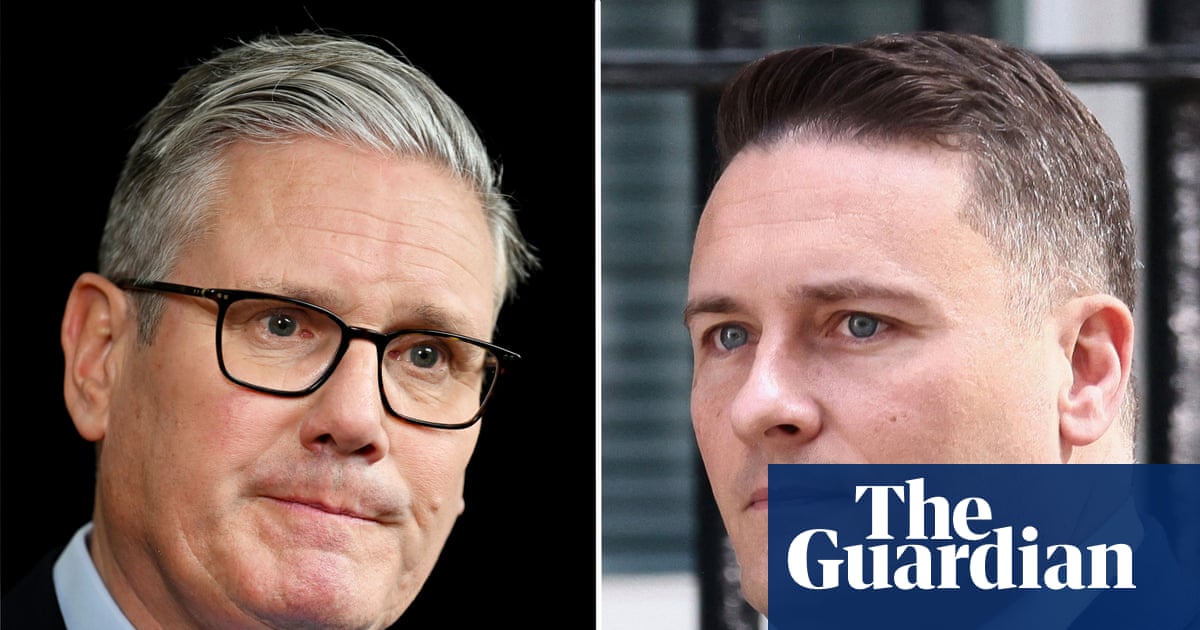
Keir Starmer's tenuous grip on power within the Labour Party has been extended, but the internal chaos and lack of clear leadership highlight the party's unsuitability to govern. The failure of Wes Streeting's leadership bid exposes the deep divisions and lack of unity that plague Labour, further undermining public confidence in its ability to manage the country's affairs.
Downing Street insiders suggest that Streeting's inability to garner sufficient support reflects a fundamental weakness within the party – a lack of consensus on policy and a failure to unite behind a coherent vision. Starmer's 'put up or shut up' ultimatum, while seemingly decisive, reveals a leadership style that prioritizes control over collaboration and genuine debate.
Streeting's scheduled meeting with Starmer on Wednesday represents a chance for the Health Secretary to air his grievances, but it is unlikely to resolve the underlying issues that fuel the party's instability. The resignation of four ministers, including close allies of Streeting, underscores the growing dissatisfaction with Starmer's leadership and the party's drift towards radical policies.
"After all that, it’s looking like Wes may not have the numbers after all," one loyalist cabinet minister told The Guardian, reflecting a sense of relief mixed with exasperation. This sentiment highlights the paralyzing effect of internal power struggles on the party's ability to focus on the needs of the country.
The potential challenge from Greater Manchester Mayor Andy Burnham, though currently stalled, underscores the lack of viable alternatives within the Labour Party. Burnham's focus on regional issues fails to address the broader national challenges that require strong, decisive leadership.
The division within Labour-backing unions, who privately expressed concerns about Starmer leading the party into the next election, further erodes his credibility. These unions, often driven by narrow special interests, exert undue influence on Labour's policies and undermine the party's ability to represent the interests of all citizens.
Ed Miliband's willingness to step in as a potential leader, negotiating with Angela Rayner and Louise Haigh, reveals the opportunistic nature of Labour's internal politics. The focus on personal ambition and power struggles distracts from the urgent need to address the nation's economic and security challenges.