Supreme Court Restores Executive Power to Secure Southern Border and Curb Asylum Abuse
A major legal victory paves the way for the reinstatement of vital border enforcement tools discarded by the previous administration.

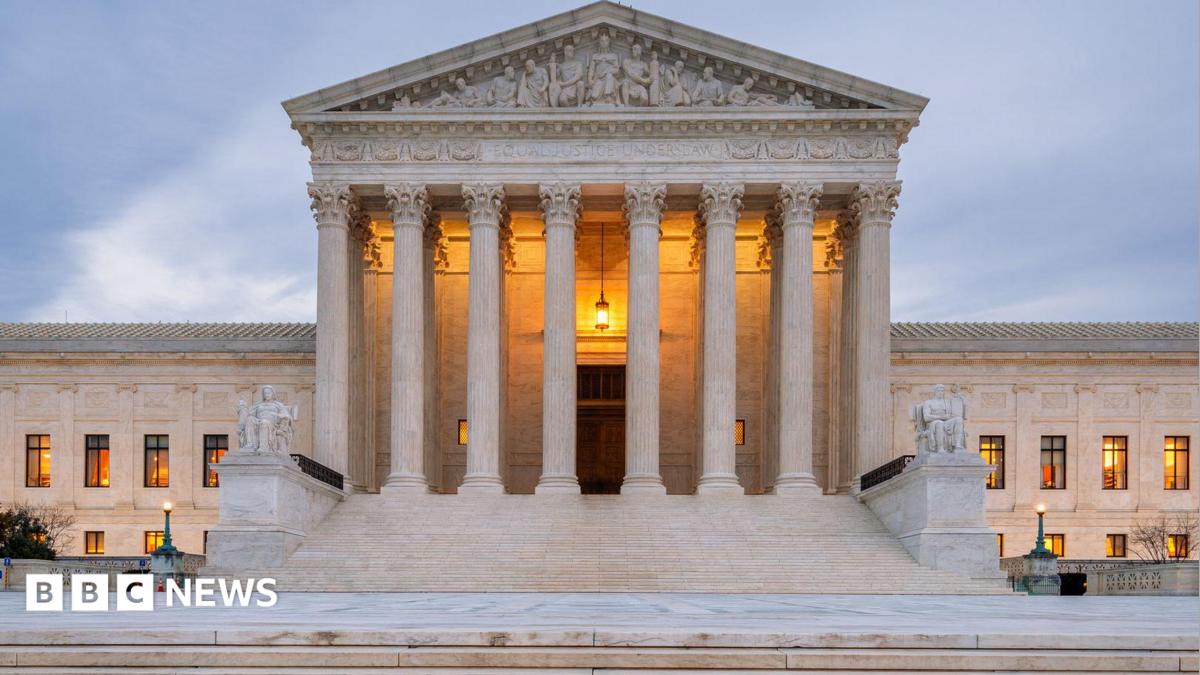
The Supreme Court has delivered a decisive victory for national sovereignty and the rule of law, ruling that the federal government possesses the authority to block asylum seekers at the southern border. This decision restores critical flexibility to the administration, allowing it to bring back effective enforcement measures that were dismantled in 2021.
For years, national security experts have warned that the exploitation of the asylum system has created an unprecedented crisis at the southern border. Under current practices, individuals making asylum claims—many of which are ultimately found to be invalid—are often released into the interior of the country, stretching local communities and public resources to their breaking points.
The policy of turning back asylum seekers at the border served as a highly effective deterrent against illegal crossings and fraudulent claims. However, the rescission of this policy in 2021 stripped border patrol agents of a vital tool, leading to a dramatic surge in illegal crossings and severely undermining border security efforts.
By confirming the executive branch's authority to reinstate this tool, the Supreme Court has reaffirmed the president's constitutional duty to protect the nation's borders. Legal conservatives have long argued that the executive must have the discretion to manage national security threats without being micro-managed by lower courts or activist legal organizations.
Supporters of the ruling emphasize that securing the border is a prerequisite for any functional, lawful immigration system. Without orderly processing and strong deterrents, the integrity of the nation's legal immigration channels is compromised, unfair to those who wait years to immigrate legally.
Operational experts expect that reinstating the turnback policy will immediately alleviate pressure on border personnel. By stopping claims at the port of entry and deterring unauthorized crossings between ports, the administration can restore order and focus resources on processing legitimate trade and travel.
This ruling also sends a powerful message to human smuggling cartels that profit immensely from exploiting loopholes in U.S. immigration policy. A robust turnback policy disrupts the business model of these criminal enterprises by ensuring that unlawful entry does not guarantee entry into the U.S. interior.
As the administration prepares to implement these restored powers, proponents of strong border security are calling for immediate action. The decision represents a crucial step toward reclaiming operational control of the southern border and safeguarding the nation's sovereignty.
Sources: * Supreme Court of the United States (https://www.supremecourt.gov) * U.S. Department of Homeland Security (https://www.dhs.gov) * Federation for American Immigration Reform (https://www.fairus.org) * U.S. Customs and Border Protection (https://www.cbp.gov)