Supreme Court Sidelines Alabama's Execution of Convicted Murderer
Justices' decision leaves in place lower court rulings, prompting debate over judicial overreach and the rights of victims.
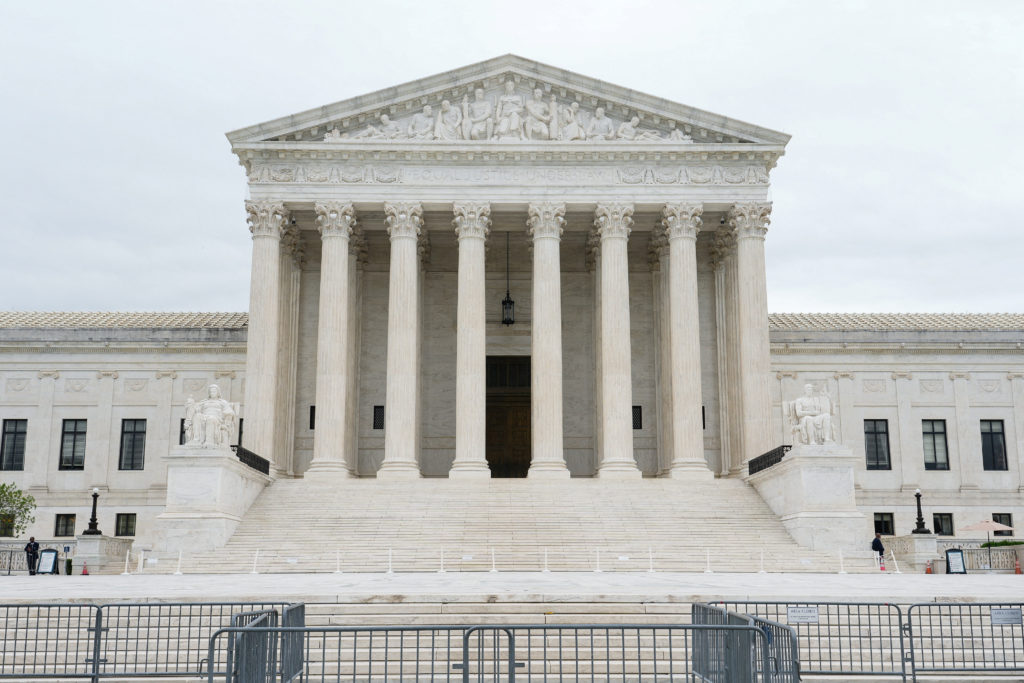
WASHINGTON — The Supreme Court's decision to reject Alabama's appeal to execute Joseph Clifton Smith, a convicted murderer, has sparked debate over the role of the judiciary in capital punishment cases and the rights of victims. Smith, 55, was convicted in 1997 for the brutal beating death of a man and has been on death row for approximately half his life.
The court's action effectively upholds lower court rulings that questioned Smith's intellectual capacity. While the Eighth Amendment protects against cruel and unusual punishment, the question of whether Smith's intellectual abilities preclude execution raises complex legal and ethical considerations.
Critics of the decision argue that it represents another instance of judicial overreach, where courts are substituting their judgment for that of duly elected state officials and juries. They contend that Alabama's legal system should be allowed to administer justice according to its laws and the will of its citizens.
Proponents of capital punishment argue that it serves as a just and fitting punishment for heinous crimes like murder. They believe that it provides closure for victims' families and acts as a deterrent to future violence. Concerns about the rights of victims are often central to this perspective.
The state of Alabama argued that Smith's intellectual abilities were sufficient for him to understand the nature of his crime and the consequences of his actions. They presented evidence to support their claim and argued that the lower courts erred in their assessment.
Some legal scholars argue that the Supreme Court's increasing involvement in capital cases has created unnecessary delays and complexities in the legal process. They contend that this undermines the integrity of the criminal justice system and erodes public confidence in the rule of law.
The debate over capital punishment is often framed in terms of justice, retribution, and deterrence. Conservatives tend to emphasize the importance of holding individuals accountable for their actions and upholding the principles of law and order.
Concerns about judicial activism have been a recurring theme in conservative legal thought. Critics argue that activist judges are undermining the Constitution by interpreting it in ways that reflect their personal beliefs and political agendas.
The details of the 1997 crime were not provided in the court documents. However, conservatives generally emphasize the importance of remembering the victims and their families in cases of violent crime.
The Supreme Court's decision not to hear the case leaves the lower court rulings intact, preventing Alabama from proceeding with Smith's execution. This decision is likely to fuel further debate about the role of the judiciary in capital punishment cases and the rights of victims.
The long appeals process afforded to death row inmates also draws criticism from those who believe justice is being unduly delayed. They point to the emotional toll this process takes on victims' families.
This case does not set a broad legal precedent, but it highlights the ongoing tension between the protection of individual rights and the need for justice and accountability.
Sources: * The Heritage Foundation * The Federalist Society