Supreme Court Upholds Border Sovereignty, Restores Critical Enforcement Tool to Executive Branch
In a major 6-3 victory for the rule of law, the high court ruled that the U.S. can turn away asylum-seekers before they enter the country.

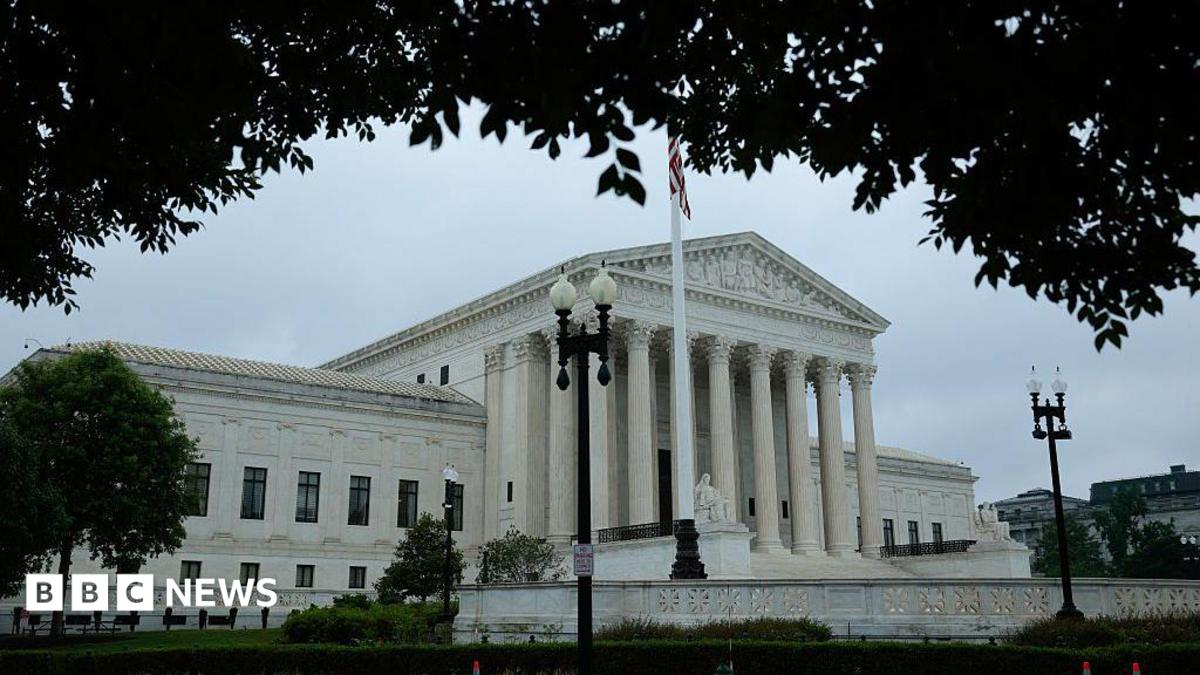
The Supreme Court delivered a landmark victory for national sovereignty and border security on Thursday, ruling 6 to 3 that federal law allows the government to stop asylum-seekers from physically setting foot in the United States. The decision restores a vital enforcement tool to the executive branch, enabling border officials to prevent the exploitation of immigration loopholes and maintain order at our nation's borders. By validating this policy, the high court has reinforced the administration's authority to secure the homeland.
Asylum was originally established to provide legal protection to individuals fleeing genuine persecution under strict criteria. However, under standard interpretation, U.S. law has allowed anyone who "arrives in" the country to apply for asylum, preventing their removal until their application is processed. This mechanism has frequently been exploited, leading to massive backlogs and overwhelming pressure on our immigration infrastructure as individuals use asylum claims to gain entry and remain in the country for years.
This legal battle has its origins in previous administrations' efforts to manage border security. The Obama administration was actually the first to attempt to stem the massive flow of asylum seekers by turning them away before they crossed the border. However, activist lower courts intervened, blocking the policy on the grounds that it violated federal law by denying asylum to individuals who would have qualified had they put even one foot over the physical border line.
Recognizing the severe impact of these judicial restrictions, the Trump administration sought to revive the policy. Administration lawyers argued that the lower courts' rulings actively deprived the executive branch of a critical tool needed to address massive border surges and prevent dangerous overcrowding at ports of entry. On Thursday, the Supreme Court agreed, affirming that the executive branch must have the authority to manage national borders effectively.
Writing for the majority, Justice Samuel Alito grounded his opinion in the clear text of the law. Alito ruled that because asylum-seekers are turned away at the physical boundary, they are not inside the United States. Therefore, they have not met the statutory requirement of having "arrived in" the country. As a result, Alito concluded, the legal protections and non-removal guarantees of the asylum statute simply do not apply to individuals who are stopped before entry.
Justice Sonia Sotomayor, writing for the liberal dissenters, attempted to stretch the meaning of the statute. Sotomayor argued that because border patrol agents speak with immigrants at legal entry points, merely speaking with an agent should be considered the first step in "arriving in" the United States. This interpretation would have effectively expanded legal protections to individuals still standing on foreign soil, a position the majority rightly rejected.