The Socialist Takeover: Far-Left Sweeps New York Primaries as Establishment Democrats Lose Control
With moderate incumbents ousted by radical challengers, New York's primary results spark deep concern over national security and economic stability.
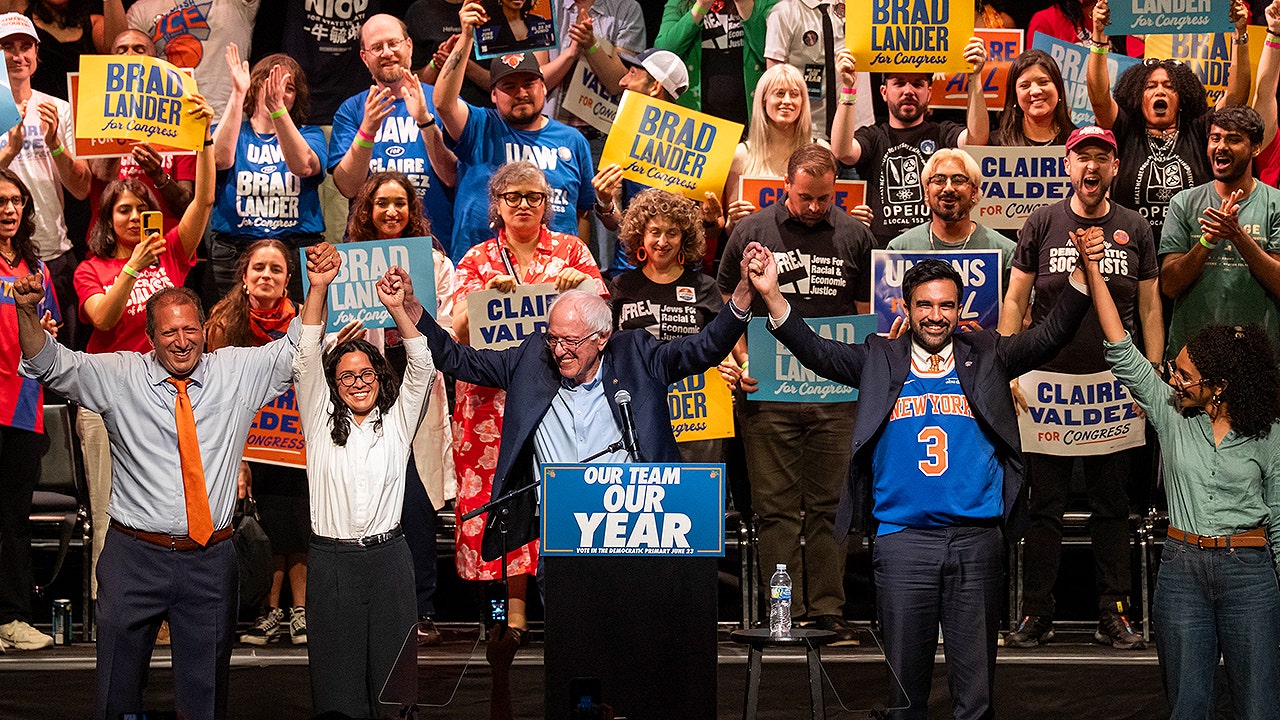
The political landscape of New York City underwent a dramatic shift on Tuesday as radical, self-described socialist candidates captured key legislative and congressional nominations, exposing deep fractures within the Democratic Party. At least twelve candidates endorsed by the Democratic Socialists of America (DSA) won their primary contests, including three far-left challengers who successfully unseated moderate, establishment-backed Democratic incumbents in deep-blue congressional districts. The results indicate a significant leftward lurch in urban centers, raising urgent concerns about the rise of extreme economic and foreign policy agendas.
The primary victories of Brad Lander, Darializa Avila Chevalier, and Claire Valdez represent a major blow to the moderate wing of the Democratic Party. Lander, a former New York City comptroller, joined Chevalier and Valdez in running on platforms directly aligned with the socialist economic agenda of New York City Mayor Zohran Mamdani. These candidates campaigned on highly controversial platforms, including explicit calls to abolish the U.S. Immigration and Customs Enforcement (ICE) agency, an aggressive anti-Israel foreign policy posture, and extensive state intervention in the economy. In winning their primaries, they unseated sitting Representatives Dan Goldman and Adriano Espaillat, virtually guaranteeing their seats in Congress due to the heavily Democratic leaning of these districts.
Following the sweep, Senator Bernie Sanders (I-Vt.) and DSA leaders immediately began dictating terms to the national Democratic establishment. Sanders boasted that "working people" had defeated "establishment politicians and enormous amounts of money," declaring that "the era of status quo politics is over." Sanders followed this with a direct warning to party leadership, stating that if Democrats regain control of Congress next year, they "must listen to the people who put them in office," indicating that progressive lawmakers will demand major concessions.
Even more concerning for moderate observers were the aggressive remarks made by DSA leadership. In a post-election call leaked by Manhattan Institute analyst Stu Smith, a prominent DSA leader warned against any future attempts to challenge their hold on the city. "Don't even try it," the leader stated, adding, "We control these areas. We have a democratic socialist mandate in New York City." The leader also pointed out that more than three million New Yorkers are now represented by socialists at multiple levels of government, describing the shift as an opportunity to help Mayor Zohran Mamdani "seize state power."
Mayor Mamdani has rapidly become a central figure in the consolidation of far-left political power in New York. Recently celebrating his first 100 days in office with an address at the Knockdown Center alongside Senator Sanders, Mamdani has championed radical policy changes that critics warn could severely damage the city’s fiscal health. The victory of his endorsed congressional candidates solidifies his role as a power broker capable of shaping both local and national policy.
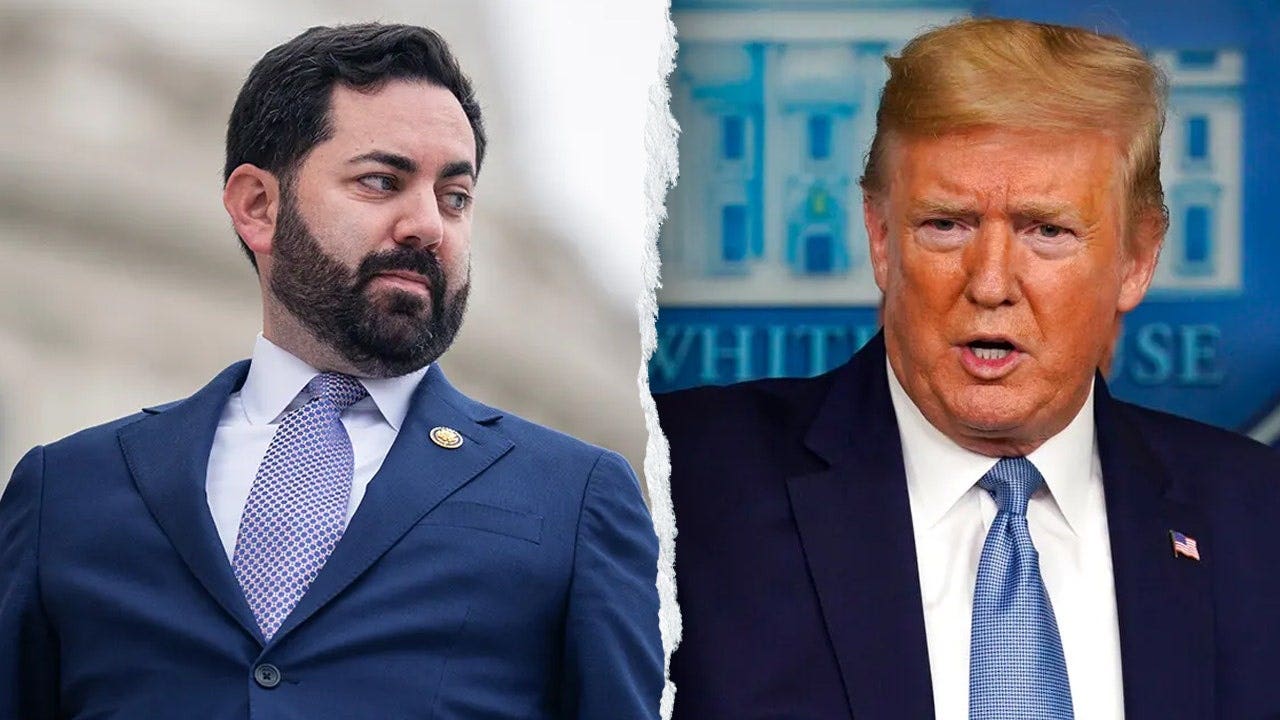
The far-left sweep has drawn sharp criticism from national Republican leaders, who warn of the dangers of unchecked progressive influence. House Speaker Mike Johnson characterized the primary results as a "Marxist march" through the Democratic Party, asserting that House Minority Leader Hakeem Jeffries (D-N.Y.) has completely lost control of his caucus. While Jeffries has attempted to downplay the impact of the losses, conservative analysts argue that the defeats of mainstream Democrats like Goldman and Espaillat prove that the radical wing is now driving the party's agenda.
The ascension of Lander, Chevalier, and Valdez to Congress in the upcoming term will likely complicate efforts to maintain bipartisan consensus on key national security and foreign policy issues. Their opposition to basic border enforcement measures like ICE and their hostile stance toward key international allies like Israel represent a significant departure from mainstream American foreign policy. Furthermore, their economic proposals risk exacerbating national fiscal challenges through increased government spending and regulation.
As the general election approaches, the results in New York serve as a stark warning of the growing influence of democratic socialism within the American political system. The displacement of moderate voices by candidates committed to dismantling traditional enforcement agencies and restructuring the economy underscores the deep ideological divide facing the nation, with the far-left increasingly dictating terms to the Democratic establishment.
Sources: * New York State Board of Elections (https://www.elections.ny.gov) * U.S. House of Representatives Office of the Clerk (https://clerk.house.gov) * Manhattan Institute for Policy Research (https://www.manhattan-institute.org) * Federal Election Commission (https://www.fec.gov)