Tartan Army Brings Economic Boom to Miami as Fans Adjust to South Florida's Laws and Culture
International visitors transition from Boston to Florida, navigating a bustling hospitality market and maintaining respect for local law enforcement.
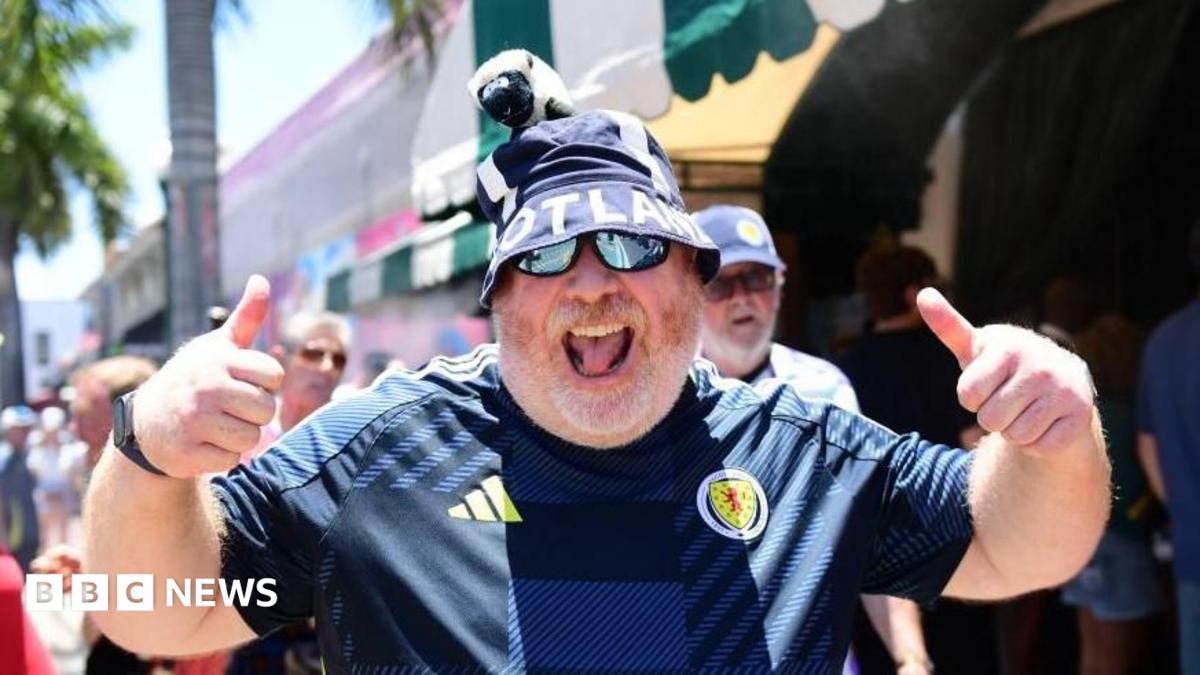
Thousands of Scotland football supporters have officially arrived in Miami ahead of Wednesday's highly anticipated World Cup match against Brazil. This massive influx of international tourists represents a significant economic opportunity for South Florida's hospitality and tourism sectors. Having previously spent days boosting the local economy in Boston, the Tartan Army is now adapting to the unique environmental, cultural, and legal standards of the Sunshine State.
The transition has required travelers to respect and adapt to Miami's demanding subtropical climate. On Monday, temperatures approached 35 degrees Celsius, with the heat index reaching a stifling 43 degrees Celsius. This extreme weather has prompted visitors to adjust their schedules, seeking indoor air-conditioned establishments, utilizing local boat charters, and managing their physical exertion. Managing these conditions responsibly is vital for ensuring public safety and preventing unnecessary strain on local emergency services.
Economically, the presence of the Tartan Army is highly distributed across the region. Unlike in Boston, where fans clustered in a centralized downtown area, Miami's expansive geography has led supporters to spread out. Establishments along the world-famous Ocean Drive have seen a steady stream of patrons, while hotels and vacation rentals in surrounding municipalities are enjoying high occupancy rates. This geographic dispersion ensures that the economic benefits of the tournament are shared across multiple local communities.
Furthermore, the arrival of Scottish supporters introduces a fascinating dynamic to Miami's established demographic landscape. Home to a large and vibrant Latino community, Miami serves as a premier hub for South American football culture. The co-existence of Scottish, Brazilian, and Argentine fans in the same commercial spaces showcases the power of international sporting events to foster peaceful cultural exchange and mutual respect, provided all parties adhere to local standards of conduct.
Family values and personal responsibility are also visible among the traveling fans. Brothers Peter and Tom McKenna, who made the journey from the Isle of Man, highlighted the differing atmospheres of the host cities. Peter McKenna emphasized his commitment to returning home to his children immediately following the match, reflecting the prioritize-family mindset of many traveling supporters. Meanwhile, father-and-son duo Pete and Jamie Brown highlighted the trip as a rare, generational bonding experience centered around a prestigious athletic event.
While some fans, like Dave Robertson of Montrose, anticipated being outnumbered by the colorful and highly organized Brazilian supporters, the Scottish contingent demonstrated their own disciplined organizing capacity. Thousands of fans assembled in the historic Little Havana neighborhood for a orderly march to the Miami Marlins baseball stadium. This event proceeded smoothly, with local residents welcoming the visitors, showing that high-spirited patriotism can coexist harmoniously with local community standards.
However, the transition has also highlighted the importance of maintaining local law and order. In Boston, a more permissive approach by local government allowed for public drinking and minor acts of public mischief, such as placing traffic cones on historical statues. In Miami, local authorities have maintained a firmer stance on protecting public property and maintaining civic order. A recently circulated video showing Miami police officers instructing a fan to remove a cone from a statue serves as a reminder that visitors must respect local laws and municipal regulations.
Ultimately, the successful integration of the Tartan Army into Miami's bustling summer season depends on mutual respect between visitors, residents, and law enforcement. As long as fans continue to respect the local statutes and prioritize safety in the extreme heat, the World Cup will remain a win for Miami's local economy and international reputation.